
Pruning
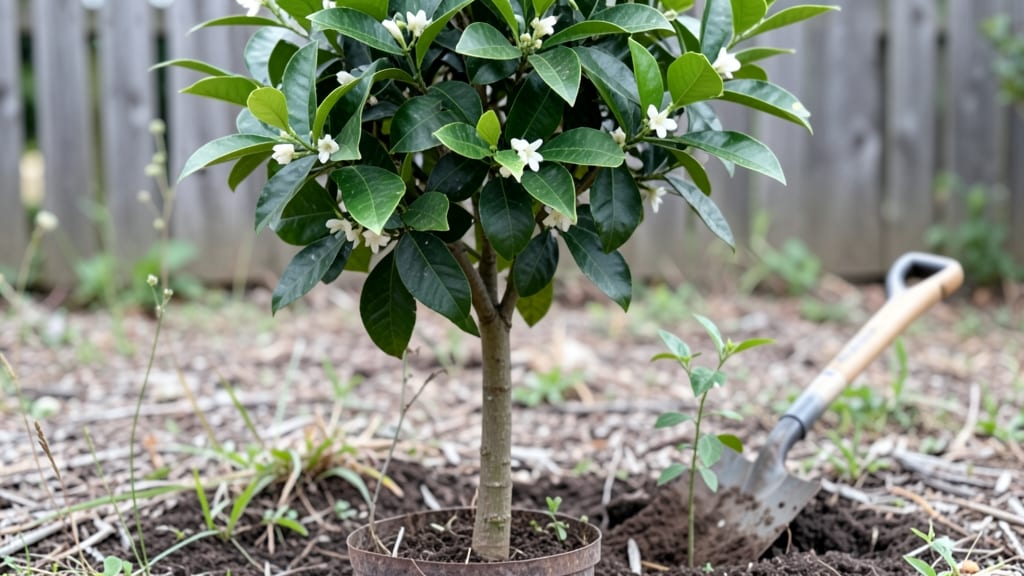
Planting an orange tree starts with choosing the right variety for your climate—some thrive in pots while others need ground space. I’ve grown both dwarf and standard varieties, and the difference in care is night and day.
The key is matching the tree’s needs to your growing conditions, whether that’s a sunny patio or a sheltered backyard corner.
You’ll need well-draining soil, a spot with at least 6-8 hours of sunlight daily, and the right container if growing in pots—15-20 gallons for dwarf varieties. The soil should be slightly acidic, and if your yard’s soil is heavy clay, amend it with compost or sand.
Transplanting is easiest in spring, when roots establish faster before summer heat.
After planting, water deeply but avoid soggy soil—citrus trees hate wet feet. Mulch around the base to retain moisture and protect roots, especially in colder zones where frost can damage young trees.
With proper care, you’ll see new growth within 4-6 weeks, and within a year, you could have your first small fruit.
Container growers in colder climates should bring trees indoors during winter, while in-ground trees need winter protection like burlap wraps. The biggest mistake? Overwatering or planting too deep—roots need oxygen, not a swamp. Follow these steps, and you’ll be harvesting homegrown oranges in no time.
📚 In This Guide
- What you need
- Instructions
- Tips and common mistakes
- Wrapping up and next steps
What you need
- ● Orange tree sapling: Choose a disease-resistant variety (e.g., Valencia or Navel) from a nursery. Size: 3–5 ft tall for ground; 1–2 ft for containers.
- ● Well-draining potting mix: 50% cactus/succulent mix + 50% perlite (for containers). Quantity: 1–2 bags (2–3 cu. ft. each).
- ○ Container (optional for ground plantings): Size: 15–25 gallon pot (minimum 12" diameter wider than root ball).
- ● Material: Terracotta (breathable) or heavy plastic (durable).
- ● Shovel or trowel: Size: 12–18" for ground; small hand trowel for containers.
- ● Garden gloves: Heavy-duty to protect against thorns.
- ● Slow-release citrus fertilizer: NPK ratio: 6-6-6 or 8-3-9 (1–2 lbs per tree).
- ● Mulch: Type: Wood chips or pine straw (2–3" layer). Avoid: Fresh grass clippings.
- ● Drip irrigation or watering can: Capacity: 1–2 gallons for containers; hose for ground.
- ● Citrus-specific soil amendment: Add 1 part compost to potting mix for extra nutrients.
- ● Epsom salt: 1 tbsp/month (for magnesium boost).
- ● Tree support stake: 4–6 ft tall (for young trees in windy areas).
- ● Frost cloth: For winter protection in cold climates.
- ● pH test kit: Ideal range: 6.0–7.0 (citrus loves slightly acidic soil!).
Step-by-step instructions for planting an orange tree
Here’s how to get your citrus tree off to the strongest start—whether you’re planting in the ground or a container.
Choose the Right Location and Prepare the Soil
Orange trees thrive in full sun, so pick a spot that gets at least 6-8 hours of direct sunlight daily. If you’re planting in the ground, choose a location with well-draining soil—citrus hates soggy roots. In containers, drainage is even more critical, so make sure your pot has holes and a saucer underneath.
Before planting, loosen the soil to a depth of 12 inches with a garden fork. Mix in 2-3 inches of compost to improve fertility and drainage. If your soil is heavy clay, blend in 1 part sand for every 3 parts soil to help water flow freely. The goal is loose, airy soil that won’t suffocate the roots.
Dig the Hole and Plant the Tree
Dig a hole twice as wide as the root ball but no deeper. This prevents the tree from sitting too low, which can cause water pooling around the trunk. Gently remove the tree from its container and tease apart any circling roots—this encourages outward growth instead of a tangled mess.
Place the tree in the hole so the top of the root ball sits 1 inch above ground level. Backfill with the amended soil, pressing lightly to remove air pockets but avoiding compaction. Water deeply right after planting to settle the soil and eliminate gaps. You’ll know it’s done right when the soil surface looks slightly firm but not rock-hard.
Mulch and Water for Establishment
Spread 2-3 inches of mulch (like wood chips or straw) around the base of the tree, keeping it 3 inches away from the trunk to prevent rot. Mulch helps retain moisture and regulates soil temperature, which is especially important in hot climates. Avoid piling mulch too high—it should look like a shallow ring, not a mound.
Water the tree deeply once a week during the first month, soaking the soil to a depth of 12 inches. Let the top 2 inches of soil dry out between waterings to prevent over-saturation. Overwatering is the #1 killer of young citrus trees—you’ll see yellowing leaves or mushy stems as warning signs. If you’re in a container, check moisture by sticking your finger 1 inch into the soil; if it’s dry, water until it drains from the bottom.
Protect and Monitor Growth
In the first year, shield the tree from strong winds and frost—citrus is tropical and won’t tolerate cold snaps. If temperatures drop below 28°F, cover the tree with a frost cloth or move it to a sheltered spot. Watch for aphids or scale insects, which love young citrus. Spray leaves with neem oil (mixed as directed) if you spot sticky residue or tiny crawling bugs.
Fertilize lightly 3 months after planting with a citrus-specific fertilizer (or one high in nitrogen, phosphorus, and potassium). Follow the package rates—too much fertilizer burns roots. You’ll see new growth within 4-6 weeks if the tree is happy. If leaves turn yellow between the veins, it’s often a sign of iron deficiency, which is common in alkaline soils. In that case, apply an iron supplement according to the instructions.
Tips & tricks for perfectly planting an orange tree
Here's what I've learned from years of growing citrus—these small details make all the difference between a thriving tree and one that struggles.
Sunlight is non-negotiable: That 6-8 hours of daily sun is critical, but don't just look at the sky—check the actual light your spot gets. Morning sun is gentler than harsh afternoon rays, so if you're in a hot climate, consider partial afternoon shade during summer months. I've seen trees planted in "full sun" spots that only got 4 hours of direct light and struggled to grow properly.
Root ball prep is where it all begins: When you remove the tree from its container, don't just dump it in the hole—take 5 minutes to gently separate any circling roots with your fingers. These roots can strangle your tree if left intact. I've had to replant trees that came with tight root balls, and it's always a race against time to fix the damage before the roots die back.
Watering wisdom saves lives: That first week after planting is crucial. Water deeply every other day (not once a week) to help the roots establish. I've seen so many trees fail because people followed the "once a week" rule too strictly. The top 2 inches should dry out between waterings, but don't let the soil completely dry out during the first month—this is when roots are most vulnerable.
Frost protection is a game-changer: The 28°F threshold is your warning line. I've lost young trees to unexpected cold snaps because I didn't have frost cloth ready. If you're in a marginal climate, consider planting in a container that you can move indoors during winter. Even a single night below freezing can set your tree back months of growth.
Pro Tips for Planting Orange Tree
- Here's what I've learned from years of growing citrus—these small details make all the difference between a thriving tree and one that struggles.
- Sunlight is non-negotiable: That 6-8 hours of daily sun is critical, but don't just look at the sky—check the actual light your spot gets.
- Root ball prep is where it all begins: When you remove the tree from its container, don't just dump it in the hole—take 5 minutes to gently separate any circling roots with your fingers.
Frequently asked questions
Got questions about growing your own orange tree? You’re not alone—here are answers to the most common queries to help you get started with confidence!
How long does it take for an orange tree to bear fruit?
Patience is key! Dwarf varieties (like Calamondin or Meyer) may produce fruit in 3–5 years, while standard trees can take 5–12 years. Container-grown trees often fruit faster due to better care control. Pro tip: Fertilize regularly and prune to encourage fruiting!
Can orange trees survive winter in cold climates?
Most citrus trees (like Sweet Orange) are tender perennials and need protection below 20°F (-7°C). In cold zones, grow them in containers and move indoors, or choose hardier varieties like Trifoliate Orange (zones 5–9). Mulch heavily and wrap the trunk for extra defense.
What’s the best soil mix for potted orange trees?
A well-draining mix is critical! Use a blend of:
- 60% potting soil (organic, peat-free preferred)
- 20% perlite or pumice (for aeration)
- 20% compost or worm castings (for nutrients)
Avoid heavy clay—root rot is a common killer. Bonus: Add a handful of citrus fertilizer at planting for a nutrient boost!
Why are my orange tree leaves turning yellow?
Yellow leaves usually signal overwatering, nutrient deficiency, or pests. Check the soil—it should be slightly moist but not soggy. Lack of iron or nitrogen? Use a citrus-specific fertilizer. For pests, inspect for aphids or scale and treat with neem oil or insecticidal soap.
Can I grow an orange tree from a grocery store orange?
Yes, but it’s a fun experiment—not a guaranteed fruit producer! Save seeds from seedless oranges (they won’t grow true to type). Plant in moist soil, keep warm, and expect years before (if ever) you see fruit. For faster results, buy a grafted tree from a nursery. Fun fact: Seed-grown trees may produce bitter or inedible fruit!
Wrapping up and next steps
Planting an orange tree is a rewarding journey that blends patience, care, and a touch of citrus magic! 🌱 Whether you’re nurturing one in a cozy container or letting it thrive in the ground, the key lies in sunlight, well-draining soil, and consistent love.
With the right steps—like choosing the perfect spot, pruning wisely, and protecting against pests—you’ll soon enjoy the sweet taste of homegrown success.
Ready to take the next step? Start small: grab your gloves, pick a sunny corner, and plant that first seedling or sapling. Before you know it, you’ll be harvesting juicy oranges straight from your own backyard! 🍊✨