
Propagation
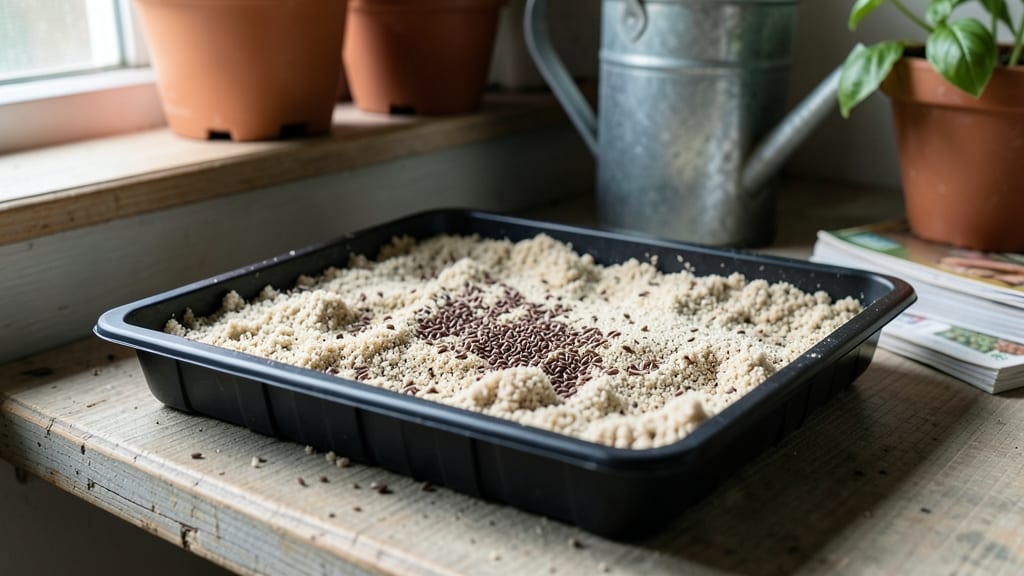
Planting dianthus seeds is my secret weapon for adding bold pink and magenta color to sunny spots in just 6-8 weeks. I’ve planted them every spring since my first attempt—back when I nearly gave up after waiting three weeks for sprouts to appear.
The key? Mimicking their natural Mediterranean habitat with well-draining soil and consistent warmth.
You’ll need a shallow tray, sterile seed-starting mix, and a heat mat (or sunny windowsill) to speed up germination. Dianthus seeds are tiny but tough—plant them just 1/8-inch deep, space them 1/4-inch apart, and keep the soil barely moist.
Overwatering is the #1 killer, so use a spray bottle instead of pouring. Once they pop, thin to 3 inches apart for bushy plants.
By late spring, you’ll be pinching back leggy seedlings and watching clusters of fragrant blooms open like tiny carnations. The flowers attract bees and butterflies, and the foliage stays lush even in 100°F heat.
Just avoid heavy clay soil—dianthus hates soggy feet. I’ve grown them in containers, rock gardens, and even cracks in pavement.
Here’s the game-changer: if you direct-sow in early spring or fall, you skip the transplant shock entirely. The seeds germinate faster in cooler weather, and the plants establish roots before summer heat arrives. Ready to turn a sunny corner into a low-maintenance floral showstopper?
📚 In This Guide
- What you need
- Instructions
- Tips and common mistakes
- Wrapping up and next steps
What you need
- ● Dianthus seeds: Choose fast-germinating varieties like Dianthus chinensis (Sweet William) or Dianthus barbatus (Pinks). Buy 1–2 seed packets (each contains ~500–1,000 seeds).
- ● Seed-starting trays or pots: Use 4–6 inch deep containers with drainage holes (biodegradable pots work too!).
- ● Seed-starting mix: A lightweight, sterile potting mix (avoid garden soil—it’s too dense!). Look for seed-starting or cactus/succulent blends.
- ● Grow lights or sunny windowsill: Dianthus needs 6–8 hours of light daily. A LED grow light (12–16 inches above seedlings) is ideal if natural light is limited.
- ● Misting bottle or spray nozzle: Keeps seeds moist without overwatering.
- ● Plastic wrap or humidity dome: Helps retain moisture until germination (usually 7–21 days).
- ○ Fertilizer (optional but helpful): A balanced, water-soluble fertilizer (e.g., 10-10-10) diluted to half-strength for seedlings.
- ● Heat mat: Speeds up germination if your space is cool (70–75°F is ideal).
- ● pH test kit: Dianthus thrives in slightly acidic to neutral soil (pH 6.0–7.0).
- ● Label markers: Track varieties and planting dates (trust us, seedlings look alike at first!).
- ● Tweezers: For delicate seed placement (especially tiny Dianthus seeds).
- ● Compost or worm castings: Boosts soil fertility once seedlings sprout.
Step-by-Step instructions for planting dianthus seeds
Here's the quick, reliable method I use to get dianthus blooming in just weeks.
Prepare the Seed Starting Mix and Containers
Fill your seed-starting trays with the sterile seed-starting mix, leaving about ¼ inch of space below the rim. Dianthus seeds need excellent drainage, so I press the mix down lightly but firmly—just enough to remove air pockets without compacting it. The mix should feel like a damp sponge when squeezed, not dripping water. I always pre-moisten the mix first because dry soil repels water and creates uneven moisture levels that stall germination.
Dianthus seeds are tiny, so I use a fine-mesh sieve to spread a thin, even layer of mix over the surface. This creates a smooth planting bed where seeds won't sink too deep. A shallow tray works best—dianthus seedlings dislike deep soil and can rot if buried too early. Label your trays immediately with the planting date and variety, because these fast growers will be ready for transplanting sooner than you expect.
Sow Seeds Lightly and Maintain Moisture
Sprinkle the dianthus seeds evenly over the prepared mix—don't press them in. These seeds need light to germinate, so covering them with soil will delay or prevent sprouting. I use a clean paintbrush to gently press them into the surface just enough to make contact with the mix. For 4 trays, I estimate about 1 teaspoon of seeds total, spread thinly to avoid overcrowding.
Mist the surface with a spray bottle until the mix looks uniformly damp but not soggy. Place the tray in a humidity dome or cover it loosely with clear plastic wrap to retain moisture. Keep the temperature between 65-75°F—a seedling heat mat helps if your home runs cooler. Check daily and mist again if the surface dries out. You'll see the first sprouts in just 5-7 days, which is why this method delivers fast results.
Provide Bright Light Immediately After Germination
The moment you spot the first green shoots, remove the humidity dome. Dianthus seedlings need full sun to prevent leggy growth, so move them to the brightest window or under grow lights within 24 hours. I position my lights 3-4 inches above the trays and keep them on for 14-16 hours daily. Without enough light, seedlings stretch toward the source, becoming weak and prone to falling over.
Watch for first true leaves—these are the second set after the initial cotyledons. Once they appear, thin the seedlings to 2 inches apart using small scissors. This prevents competition and gives each plant room to grow. Harden off the seedlings by placing them outside in partial shade for 1-2 hours daily starting 2 weeks before transplanting. Gradually increase their time outdoors to prepare for the garden.
Transplant to the Garden When Ready
Transplant dianthus seedlings outdoors 4-6 weeks after sowing, when they have 3-4 sets of true leaves and nighttime temperatures stay above 50°F. Choose a sunny spot with well-draining soil—dianthus hates soggy roots. Dig holes slightly deeper than the seedling pots to encourage root growth, then firm the soil gently around the base. Space plants 8-12 inches apart for bushy growth and better airflow.
Water deeply at transplanting to settle the soil, then reduce watering to once weekly unless rainfall occurs. Dianthus is drought-tolerant once established, but consistent moisture during the first 2 weeks helps roots adjust. You'll see blooms in as little as 8-10 weeks from sowing, proving this fast method works. Mulch lightly with straw to retain moisture and suppress weeds without smothering the plants.
Tips & tricks for planting dianthus seeds
These simple yet game-changing techniques will help you achieve rapid germination and healthy dianthus seedlings every time.
Moisture Management: In Step 2, maintaining consistent moisture is critical for germination. I use a spray bottle with a fine mist setting to avoid oversaturating the mix—water should penetrate just enough to dampen the surface without creating puddles. The goal is to keep the sterile seed-starting mix at a sponge-like consistency throughout the 5-7 day germination window. Too much water causes rot, while too little prevents sprouting.
Light Timing: The 24-hour window after germination in Step 3 is when seedlings are most vulnerable to legginess. Position your grow lights or brightest window immediately after you remove the humidity dome. I've found that keeping lights on for 14-16 hours daily prevents that weak, stretched growth that makes seedlings prone to falling over. If your seedlings start reaching toward the light source, they're not getting enough intensity.
Temperature Consistency: Maintaining the 65-75°F range specified in Step 2 is essential for fast germination. If your home runs cooler, a seedling heat mat becomes your best friend. I place mine under the trays during the germination period and remove it once sprouts appear. The slight warmth jumpstarts metabolic activity in those tiny seeds, which is why you'll see sprouts in just 5-7 days rather than weeks.
Thinning Strategy: When you reach the thinning stage in Step 3, use small scissors to cut rather than pull seedlings. This minimizes root disturbance and prevents shock to the remaining plants. I thin to 2 inches apart as soon as the first true leaves appear, which gives each seedling enough space to develop strong roots before transplanting. The key is patience—don't rush this step, as crowded seedlings compete for nutrients and light.
Pro Tips for Planting Dianthus Seeds
- These simple yet game-changing techniques will help you achieve rapid germination and healthy dianthus seedlings every time.
- Moisture Management: In Step 2, maintaining consistent moisture is critical for germination.
- Light Timing: The 24-hour window after germination in Step 3 is when seedlings are most vulnerable to legginess.
Frequently asked questions
How long does it take for dianthus seeds to germinate?
Dianthus seeds are fast germinators—typically sprouting in 7 to 14 days when kept warm (around 70°F) and moist. For speedier results, soak seeds overnight before planting or use a heat mat. Patience pays off, but if nothing appears after 3 weeks, check moisture levels or consider replanting.
Can I plant dianthus seeds directly outside, or should I start indoors?
For cool-season varieties (like Dianthus barbatus), direct sowing in early spring or fall works well in mild climates. However, tender perennials (like Dianthus chinensis) thrive better when started indoors 6–8 weeks before last frost, then transplanted outdoors after hardening off. Pro tip: Use seed trays with drainage holes to avoid soggy soil!
Why aren’t my dianthus seeds sprouting? Troubleshooting tips?
If seeds refuse to sprout, check these common culprits:
- Too cold: Dianthus needs warmth (60–75°F) to germinate. Use a seedling heat mat if temps dip below 55°F.
- Dry soil: Keep soil consistently moist (not waterlogged) until germination. Mist lightly daily.
- Old seeds: Viability drops after 1–2 years. Test freshness by scratching a seed—if it’s hard, it may still work.
- Light issues: Most dianthus seeds need sunlight to germinate. Press them lightly into soil (no burial!) for best results.
Still stuck? Try a paper towel test: Moisten a towel with seeds, seal in a bag, and check for sprouts in 5–7 days.
What’s the best soil mix for dianthus seeds?
Dianthus loves well-draining, slightly alkaline soil (pH 6.0–7.0). Mix 50% sterile potting soil with 50% perlite or coarse sand to prevent rot. Avoid heavy clay or peat-heavy blends—root rot is their nemesis! For containers, add a handful of lime to boost alkalinity if your tap water is acidic.
How do I encourage more blooms from my dianthus plants?
To keep your dianthus bursting with flowers, follow these tricks:
- Deadhead spent blooms regularly to redirect energy to new flowers.
- Pinch back leggy stems in early spring to promote bushier growth.
- Fertilize lightly with a low-phosphorus feed (like 5-10-5) every 4–6 weeks during the growing season.
- Ensure full sun (6+ hours daily)—shady spots = fewer blooms.
Bonus: Dianthus thrives in poor soil, so don’t over-fertilize—it’s all about balance!
Wrapping up and next steps
Growing dianthus from seeds is a rewarding journey that brings vibrant blooms to your sunny garden with minimal effort! 🌸 With the right soil, light, and patience, you’ll soon enjoy fast germination and cheerful flowers—perfect for borders, containers, or pollinator-friendly spaces. Ready to see your hard work bloom?
Your Next Step:
- Start small: Try a few seeds in pots before committing to a full bed.
- Track progress: Use a seedling journal to note germination times and care tweaks.
- Share the joy: Snap photos of your progress and tag #DianthusGarden for inspiration!
Now grab those tweezers and get planting—your garden’s next star is waiting! 🌱