
Propagation
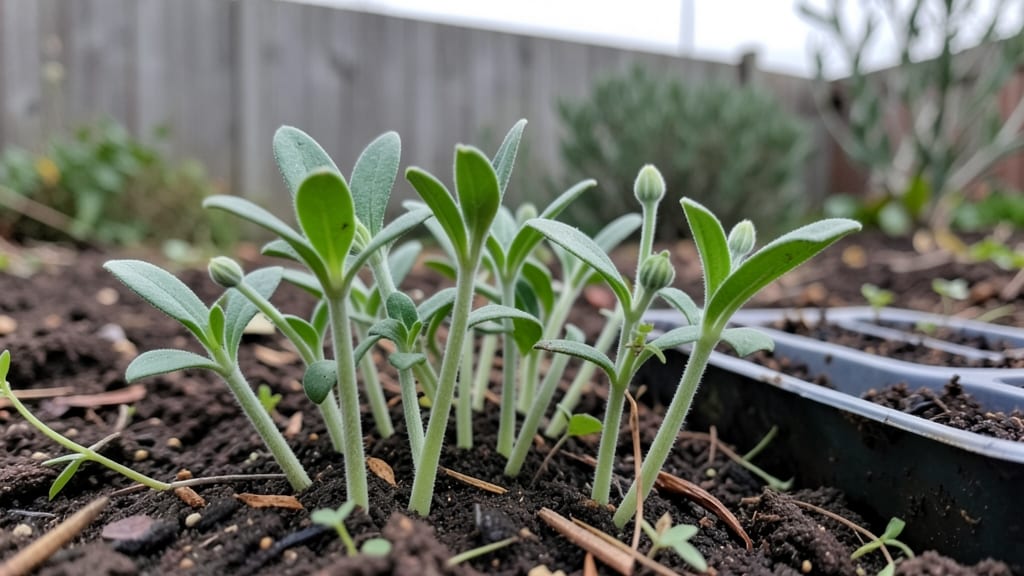
Planting carnation seeds turns a sunny windowsill into a parade of bold blooms in just 30 days. I remember my first batch—tiny seeds that sprouted into vibrant clusters of pink, red, and white flowers by early summer. The secret isn’t luck; it’s timing, soil, and a little patience.
You’ll need a shallow tray, well-draining potting mix, and a spray bottle for gentle watering. Carnations love sunlight, so place your tray near a south-facing window or under grow lights.
The key is keeping the soil consistently moist but never soggy—those seeds need just enough water to wake up without drowning.
By day 10, you’ll see the first green shoots pushing through the soil, and by day 30, you’ll be pinching back new growth to encourage bushier plants. The blooms arrive like clockwork, and the fragrance? Unbeatable. Once you master this, you’ll never buy cut carnations again.
Works for spring or fall planting in most climates, and the same method applies whether you’re growing in a tray or directly in the ground. Let’s get those seeds started—they’re eager to grow!
📚 In This Guide
- What you need
- Instructions
- Tips and common mistakes
- Wrapping up and next steps
What you need
- ● Carnation seeds – Choose heirloom or hybrid varieties (e.g., Dianthus caryophyllus) for vibrant colors. Buy 1 packet (50-100 seeds) for a small batch or scale up as needed.
- ● Seed-starting trays or small pots – Use 2-3 inch pots (biodegradable or plastic) for each seedling. Pro tip: Trays with drainage holes work best!
- ● Seed-starting mix – A lightweight, sterile mix (e.g., 50% peat moss + 50% perlite or coco coir). Avoid garden soil—it’s too dense!
- ● Grow lights or sunny windowsill – Carnations need 12-14 hours of light daily. A LED grow light (10,000-20,000 lux) is ideal for indoor setups.
- ○ Misting spray bottle – Keeps seeds moist without overwatering. Optional: A humidity dome speeds up germination.
- ● Watering can or spray bottle – A gentle stream prevents seed displacement.
- ● Fertilizer (balanced, water-soluble) – Use a 5-10-5 or 10-10-10 NPK ratio once seedlings sprout. Dilute to half-strength for young plants.
- ● Heating mat – Speeds up germination (keep soil at 70-75°F).
- ● pH testing kit – Carnations prefer 6.0-7.0 pH. Adjust soil if needed.
- ● Plant labels & markers – Track varieties and planting dates.
- ● Pruning shears – For pinching back leggy seedlings to encourage bushiness.
- ● Transplanting tweezers – Gently moves delicate seedlings without damage.
- ● Patience – Germination takes 14-21 days (sometimes longer!).
- ● Consistent care – Carnations thrive with regular watering and stable conditions.
- ● Space planning – Mature carnations need 6-12 inches apart for airflow.
Step-by-step instructions for planting carnation seeds
Here's how to coax vibrant carnations from seed using a foolproof method that skips the expensive nursery plants.
Prepare Containers and Soil for Germination
Use the 4-inch pots you've gathered, filling each with 2 cups of seed-starting mix—this lightweight blend drains well and prevents the dampness that causes seed rot. Press the mix down gently with your fingers until it's firm but not compacted. Carnation seeds need good contact with soil to sprout, so don't skip this step.
Place the pots in a shallow tray or saucer to catch any excess water during the next step. I like to arrange them in a single layer so I can easily monitor moisture levels. The goal is even moisture without soggy soil—think of a wrung-out sponge, not a dripping washcloth.
Sow Seeds at the Right Depth and Spacing
Scatter 6-8 seeds per pot across the soil surface, spacing them about ½ inch apart. Carnation seeds are tiny, so I use a toothpick to gently press each one into the soil just enough to cover it lightly—no deeper than ⅛ inch. Pressing ensures good seed-to-soil contact while keeping them shallow enough to break through quickly.
After sowing, mist the soil surface with a spray bottle until it's evenly damp. Avoid using a watering can, as the force can wash seeds together or bury them too deep. Place the tray in a warm spot (70-75°F) where you can maintain consistent moisture until germination, which typically occurs in 7-14 days.
Provide Ideal Conditions for Germination
Cover the pots loosely with plastic wrap to create a mini greenhouse effect that retains moisture and warmth. Check daily for condensation on the plastic—this means the humidity is perfect. If you see water droplets, leave the wrap on. If it's foggy inside, prop up one corner to allow airflow and prevent mold.
Keep the soil consistently moist but never soggy during this phase. You'll know it's time to remove the plastic when 50% of seeds have sprouted—usually within 10-14 days. At this point, move the pots to a bright location with indirect light to prevent leggy seedlings from stretching toward any available light source.
Thin Seedlings and Transition to Direct Light
Once seedlings develop their first true leaves (the second set after the initial seed leaves), thin each pot to 3-4 strongest plants. Use small scissors to snip unwanted seedlings at soil level—this prevents disturbing the roots of the plants you're keeping. Carnation seedlings are delicate, so handle them gently to avoid breaking stems.
After thinning, move the pots to a location with 6-8 hours of direct sunlight daily. If you're using a south-facing window, rotate the pots quarter-turn daily so all seedlings grow evenly toward the light. You'll notice stronger stems and darker green leaves within a week—this means they're getting enough light.
Fertilize and Prepare for Transplanting
When seedlings reach 2-3 inches tall, apply ½ teaspoon of balanced fertilizer (10-10-10) dissolved in 1 cup of water to each pot. This gives them a gentle nutrient boost without overwhelming their young roots. Water the pots thoroughly before fertilizing to help distribute the nutrients evenly through the soil.
Continue growing the seedlings indoors until they develop 4-5 sets of true leaves, which usually takes about 6-8 weeks. At this stage, they're ready for transplanting outdoors or into larger containers. Harden them off by placing them outside in a sheltered spot for 1-2 hours daily, gradually increasing their time outdoors over 7-10 days before moving them permanently.
Tips & tricks for planting carnation seeds
These small details make all the difference between struggling seedlings and thriving carnations that bloom boldly in just 30 days.
Soil Preparation: In Step 1, don't just fill the pots—press the seed-starting mix down firmly with your fingers until it's just compact enough to hold its shape. This creates the perfect seed-to-soil contact carnation seeds need to sprout. Think of it like giving them a gentle handshake to wake up from dormancy. The 2 cups per pot should feel snug but not packed down like concrete.
Germination Conditions: The 70-75°F warm spot you'll place your tray in should feel comfortably warm to your touch, like a cozy room. If your home tends to be cooler, consider using a seedling heat mat underneath the tray. Watch for condensation on the plastic wrap daily—this is your humidity gauge. If you see droplets, leave it on; if it's foggy inside, prop up one corner for airflow to prevent mold.
Light Transition: When moving seedlings to direct light in Step 4, start with just 3-4 hours the first day to avoid shocking them. Gradually increase to the full 6-8 hours over 3-4 days. I've seen seedlings bolt (stretch too tall) when moved too quickly to bright light. Rotating the pots daily ensures even growth—you'll notice one side leaning toward the light if you skip this step.
Fertilizer Timing: The 2-3 inch height marker in Step 5 is crucial for fertilizing. At this stage, the seedlings have developed enough roots to handle nutrients without burning them. Always water thoroughly before applying fertilizer to help distribute those nutrients evenly through the soil. You can also mix the fertilizer with water in a spray bottle for even gentler application.
Pro Tips for Planting Carnation Seeds
- These small details make all the difference between struggling seedlings and thriving carnations that bloom boldly in just 30 days.
- Soil Preparation: In Step 1, don't just fill the pots—press the seed-starting mix down firmly with your fingers until it's just compact enough to hold its shape.
- Germination Conditions: The 70-75°F warm spot you'll place your tray in should feel comfortably warm to your touch, like a cozy room.
Frequently asked questions
Got questions about growing carnations from seed? You’re not alone! Here are answers to the most common queries to help you cultivate stunning blooms with confidence.
How long does it take for carnation seeds to germinate?
Carnation seeds typically germinate in 10–21 days under ideal conditions—consistent warmth (70–75°F) and moisture. Pro tip: Use a seedling heat mat if your home runs cooler, and keep soil damp (not soggy) to speed up sprouting. Patience is key!
Can I plant carnation seeds directly outside, or should I start indoors?
For best results, start seeds indoors 6–8 weeks before your last frost date (especially in cooler climates). Carnations thrive in warmth and struggle with transplant shock. If you live in a Zone 9+, you can sow seeds directly in spring after soil warms to 60°F+.
Why aren’t my carnation seeds sprouting? Troubleshooting tips!
If seeds aren’t germinating, check these common culprits:
- Cold soil: Carnations need warmth—cover seeds with plastic wrap or use a heat mat.
- Old seeds: Viability drops after 1–2 years; test a few seeds in damp paper towels first.
- Too-deep planting: Seeds need light to germinate; press them just below the soil surface.
- Poor drainage: Overwatering suffocates seeds—use a well-draining mix.
Do carnations self-seed? Can I let them reseed naturally?
Carnations can self-seed, but results are hit-or-miss. For consistent blooms, deadhead spent flowers and save seeds from your healthiest plants. If you let them reseed, expect wild-type (less uniform) carnations—great for cottage gardens but not for hybrid varieties.
What’s the easiest carnation variety for beginners?
Skip finicky hybrid carnations and try ‘Splendens’ (Dianthus) or ‘Sweet William’—they’re hardier, faster-growing, and just as fragrant. For true carnations, ‘Chabaud’ or ‘Gipsy’ varieties are beginner-friendly with reliable germination. Stick to annual types if you’re new; perennials take longer to mature.
Wrapping up and next steps
Growing carnations from seeds is a rewarding journey that brings vibrant blooms to your garden in just 30 days—and with the right care, you’ll enjoy stunning colors and fragrant flowers year after year! 🌸 Whether you’re a beginner or a seasoned gardener, these pro tips ensure success, from soil prep to proper spacing and light exposure.
Now that you’re armed with the knowledge, take the next step and grab those seeds! Start small in containers or directly in your garden bed, and watch your efforts bloom into beauty. Happy planting—your garden (and future bouquets!) will thank you! 🌱✨