
Propagation
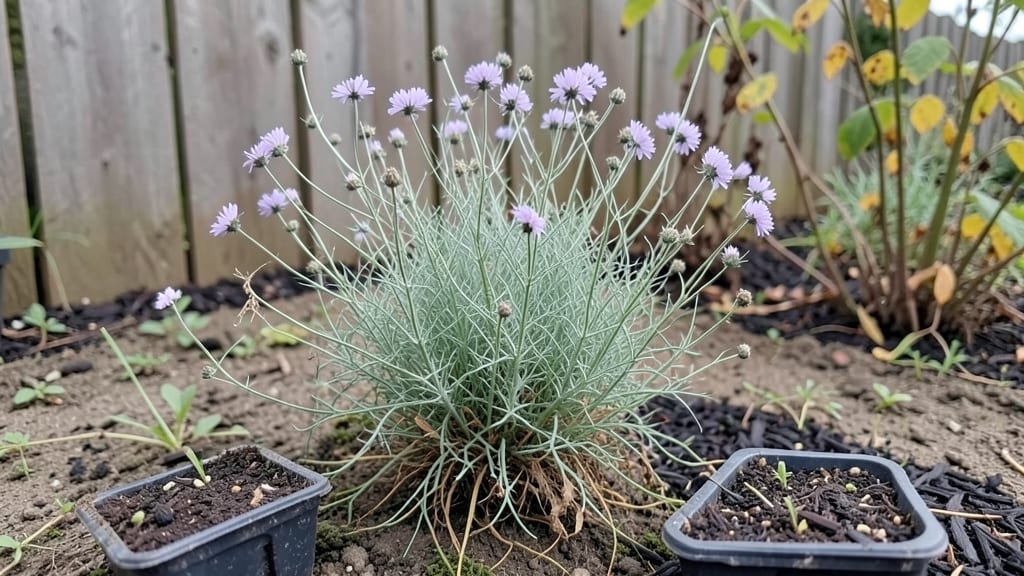
Planting gypsophila seeds gives you those dreamy, airy clouds of blooms in just 10-14 days—the fastest way to fill containers with delicate charm.
I’ve grown it in everything from window boxes to hanging baskets, and the secret isn’t just patience but knowing how to coax those tiny seeds to sprout reliably. The first time I saw those first pale green needles push through the soil, I knew I’d never buy gypsophila plants again.
You’ll need a shallow tray or flat with well-draining seed-starting mix—no fancy tools, just a clean surface and a spray bottle. Gypsophila hates soggy soil, so mix in a little perlite or sand to keep things airy.
Scatter seeds ⅛-inch deep and space them ¼-inch apart; they’re so small you’ll need a fine-mesh sieve or just a gentle hand. Keep the tray in a bright spot (no direct sun yet) and mist the soil until damp, then cover with plastic wrap to trap humidity.
Within a week, you’ll spot those first seedlings—tiny, but determined. Once they’ve got two true leaves, thin them to 2-inch spacing so they don’t compete. The real magic happens when they’re planted out: those feathery plumes create a soft, romantic backdrop for anything you pair them with.
Just don’t let the soil dry out, and watch how quickly they fill containers with their signature cloud-like texture.
Works just as well indoors in early spring or outdoors after your last frost date. If you’re sowing in summer, keep seedlings in partial shade until established. The key to fast, lush growth?
Consistency—moisture, light, and thinning at the right time. Once you’ve mastered this, you’ll be the one neighbors ask for cuttings to fill their own containers.
📚 In This Guide
- What you need
- Instructions
- Tips and common mistakes
- Wrapping up and next steps
What you need
- ● Gypsophila seeds: Gypsophila elegans or Gypsophila paniculata (choose based on your preferred height—dwarf for containers, tall for borders). Aim for 10–20 seeds per container (they’re tiny but prolific!).
- ● Seed-starting mix: A lightweight, well-draining blend (e.g., 50% peat moss + 50% perlite or vermiculite). Avoid heavy garden soil—it’s a no-go for these delicate sprouts! 1–2 cups per container (6–8" deep).
- ● Containers: 4–6" diameter pots with drainage holes (or a seed tray with cells). Opt for plastic or biodegradable pots to reduce transplant shock.
- ● Drainage layer: ¼" of coarse perlite or pumice at the bottom of each container to prevent soggy roots.
- ● Watering can or spray bottle: A fine-mist sprayer (to avoid displacing seeds) or a can with a gentle rose attachment.
- ● Clear plastic dome or plastic wrap: For humidity (critical for germination!).
- ● Tweezers or toothpick: For gentle seed placement (they’re microscopic—think 1mm wide!).
- ● Fertilizer: Balanced liquid fertilizer (5-5-5 or 10-10-10) diluted to ½ strength for post-germination feeding.
- ● Grow lights or sunny windowsill: A south-facing window or LED grow lights (12–16 hours/day) for optimal growth.
- ○ Heat mat (optional): Speeds up germination if your space is below 65°F (18°C).
- ● Twine or labels: To mark containers (gypsophila seedlings look like tiny grass at first—easy to confuse!).
How to plant gypsophila seeds for fast, fluffy container displays
Here's the quick method I use to get those delicate, cloud-like blooms in containers within weeks.
Choose the Right Containers and Soil Mix
Gypsophila thrives in well-draining soil, so start with a 10-inch wide container (or larger for fuller clouds) that has drainage holes. Fill it halfway with a blend of 2 gallons of potting mix and 1 gallon of perlite—this keeps roots aerated and prevents soggy soil that slows germination. I like to add a handful of coarse sand to the mix too, since gypsophila hates wet feet.
Press the soil down lightly until it's firm but not compacted. The surface should feel like a damp sponge—if it crumbles easily, add a little more water and mix again. This ensures seeds stay in place when you sprinkle them later. A flat, even surface prevents seeds from rolling into clumps where they might rot.
Scatter Seeds Thinly for Maximum Airiness
Gypsophila seeds are tiny, so I use the "pinch-and-shake" method: hold the packet between thumb and forefinger, then tap it gently over the soil while walking in a slow circle. This creates an even, sparse distribution—about ½ teaspoon of seeds per container—so plants don't crowd each other. Overcrowding leads to leggy stems and fewer blooms.
Don't cover the seeds with soil. Instead, press them lightly into the surface with your fingers or a small board. Just enough to make contact ensures they stay put without being buried too deep. A light mist with a spray bottle keeps them moist without disturbing their placement.
Provide Warmth and Consistent Moisture
Place the container in a spot with 65-75°F temperatures—a sunny windowsill or under a grow light works perfectly. Keep the soil evenly moist but never soggy by checking the top inch daily. If it feels dry, mist again; if it's damp, wait another day. Gypsophila seeds germinate in 7-14 days, but they need steady moisture to break through the soil.
I cover the container with a clear plastic dome or wrap it loosely in plastic wrap to trap humidity. Remove the cover as soon as you see the first green sprouts—usually within 5-7 days. This prevents fungal issues that can wipe out seedlings overnight. Once sprouts appear, move the container to a bright spot with 4-6 hours of indirect light to prevent leggy growth.
Thin Seedlings for Bushier Growth
When seedlings reach 1 inch tall, use small scissors to snip the thinnest stems at soil level, leaving only the strongest 3-4 plants per container. This might seem harsh, but crowded gypsophila grows weak and sparse. After thinning, water lightly at the base to avoid disturbing the remaining plants.
Once seedlings have 4-6 true leaves, fertilize lightly with a balanced 10-10-10 liquid fertilizer diluted to half strength. This jumpstarts blooming without burning tender roots. You'll see the first delicate flowers in 6-8 weeks, and they'll keep coming in waves if you deadhead spent blooms regularly.
Tips & tricks for perfect gypsophila growth
These simple tricks will help you achieve those dreamy, cloud-like blooms faster than you'd expect.
Soil Preparation Secret: The key to fast germination lies in that perfect soil mix. After combining the 2 gallons of potting mix with 1 gallon of perlite, I recommend adding a thin layer of coarse sand on top before planting. This creates a natural barrier that prevents seeds from sinking too deep while still maintaining excellent drainage. Remember, gypsophila roots need oxygen—don't compact the soil too firmly when pressing seeds in place.
Temperature Matters: While the instructions mention 65-75°F as ideal, I've found that maintaining the upper end of this range (closer to 75°F) significantly speeds up germination. If your home runs cooler, consider using a seedling heat mat under your container. The difference between 7-14 days and 5-7 days can be dramatic when you're impatient for those fluffy blooms! Just be sure to remove the heat mat once sprouts appear.
Lighting Strategy: For the fastest growth after germination, position your container within 12 inches of a bright grow light or sunny window. Gypsophila seedlings are sensitive to legginess, so I rotate my containers daily to ensure even growth. The 4-6 hours of indirect light mentioned in the instructions works, but adding a few extra hours of artificial light can help you reach that first bloom stage even faster—sometimes cutting those 6-8 weeks down to 5.
Thinning Technique: When thinning those 1-inch seedlings to just 3-4 plants per container, I use a pair of small, sharp scissors rather than pulling stems by hand. This prevents disturbing the roots of your remaining plants. After thinning, I find it helpful to water the container from the bottom by placing it in a shallow tray of water for about 10 minutes. This ensures only the roots absorb moisture while keeping the delicate stems dry.
Pro Tips for Planting Gypsophila Seeds
- These simple tricks will help you achieve those dreamy, cloud-like blooms faster than you'd expect.
- Soil Preparation Secret: The key to fast germination lies in that perfect soil mix.
- Temperature Matters: While the instructions mention 65-75°F as ideal, I've found that maintaining the upper end of this range (closer to 75°F) significantly speeds up germination.
Frequently asked questions
Got questions about growing gypsophila from seeds? You’re not alone! Here are some common concerns—and quick answers—to help you cultivate those dreamy, airy blooms with confidence.
How long does it take for gypsophila seeds to germinate?
Gypsophila seeds are fast germinators—typically sprouting in 7 to 14 days under ideal conditions (warmth, moisture, and indirect light). For quicker results, pre-soak seeds in warm water for 12 hours before planting. Patience pays off, but if nothing emerges after 3 weeks, try replanting fresh seeds!
Can I plant gypsophila seeds directly outside, or should I start indoors?
For cool-season varieties (like Gypsophila elegans), direct sowing after the last frost works well. However, if you’re growing baby’s breath (e.g., Gypsophila paniculata) in warmer climates, start seeds 6–8 weeks indoors for better control. Use biodegradable pots to avoid transplant shock!
Why aren’t my gypsophila seeds sprouting? Troubleshooting tips!
Check these common culprits:
- Too cold: Seeds need consistent warmth (70–75°F). Use a heat mat if your home is chilly.
- Overwatering: Keep soil moist but not soggy—gypsophila hates root rot.
- Poor light: Place trays near a bright, indirect window or use grow lights.
- Old seeds: Gypsophila seeds lose viability after 1–2 years. Test a few in a separate pot.
What’s the best companion plant for gypsophila in containers?
Gypsophila thrives as a filler in containers! Pair it with:
- Tall spikes: Snapdragons or delphiniums (for height contrast).
- Bold blooms: Dahlias or roses (to highlight its airy texture).
- Low growers: Alyssum or thyme (to frame the base).
Pro tip: Use a well-draining mix (like 60% potting soil + 30% perlite + 10% sand) to prevent leggy growth.
Do I need to deadhead gypsophila for more flowers?
Yes! Pinching or cutting back spent blooms encourages continuous flowering. For baby’s breath, trim stems to half their height after the first flush of flowers. Avoid over-pruning—gypsophila grows quickly, and you want to preserve that lacy charm. Wear gloves; the fine stems can be prickly!
Wrapping up and next steps
Planting gypsophila seeds is a rewarding way to add delicate, cloud-like blooms to your containers—especially when you follow the right steps! With their fast germination and low-maintenance care, these tiny seeds deliver big floral drama.
Whether you’re a beginner or a seasoned gardener, a little patience and the right conditions will turn your vision into a breathtaking display.
Ready to dive in? Start by gathering your supplies, then plant those seeds with confidence—your future floral clouds are waiting! 🌸✨