
Succulent
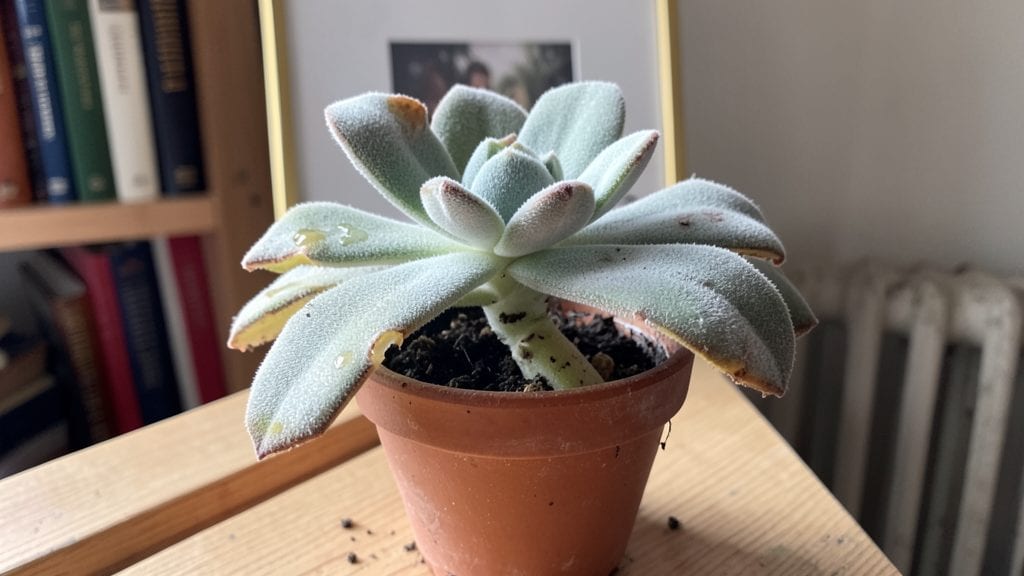
An overwatered panda plant with yellow, mushy leaves isn’t dying—it’s just begging for a little TLC, and I’ve saved plenty like it. 🌱 Here’s how to nurse it back to health. to revive yours in just two days.
The key isn’t guesswork but checking soil moisture with your fingers before watering.
Overwatering happens when roots suffocate in soggy soil, blocking oxygen and inviting rot. Panda plants need well-draining soil and pots with drainage holes—no exceptions. Most people water on a schedule, but these plants thrive when the top inch of soil feels dry to the touch. That’s it.
By tomorrow, you’ll see new growth pushing through if you act now: trim the mushy leaves, repot in fresh, gritty soil, and water lightly. The plant will bounce back faster than you think, with crisp, velvety foliage that’s the hallmark of a happy panda plant.
This works for any overwatered succulent or tropical, not just panda plants. The secret is simple: let the soil dry out between waterings, and watch your plants come back to life. Trust the process—your green thumb is closer than you think.
Root Causes Of Waterlogged Leaves
If your Kalanchoe tomentosa—the fuzzy, velvety panda plant—is looking more like a sad, soggy sponge than its usual plump, perky self, overwatering is likely the culprit.
But why does this happen? Let’s break down the science behind why too much water turns your plant’s vibrant green into a mushy mess.
Panda plants thrive in well-draining soil, but when pots lack drainage holes or soil retains too much water, roots suffocate. Here’s how it plays out:
- Compacted Soil: Heavy, clay-based or peat-heavy mixes hold water like a sponge. Without air pockets, oxygen can’t reach roots, leading to anaerobic conditions—a root’s worst nightmare.
- No Escape for Water: Pots without drainage holes act like bathtubs. Even if you water lightly, excess moisture pools at the bottom, drowning delicate roots over time.
- Root Rot Starts Here: Fungal pathogens like Phytophthora and Pythium flourish in soggy soil, breaking down root cell walls and cutting off nutrient flow.
Actionable Fix: Amend soil with perlite, pumice, or coarse sand (20-30%) to improve aeration. Always use pots with drainage holes—terracotta is ideal for its porous nature.
Most panda plant owners water on a schedule, but these plants are succulents—they store water in their leaves and stems. Overwatering disrupts their natural rhythm:
- Ignoring Soil Dryness: Sticking your finger 1-2 inches into the soil is the gold standard. If it’s damp, wait. If it’s bone-dry, it’s already too late for the last watering.
- Seasonal Misjudgment: Winter slows metabolism, so roots need far less water. Yet many keep summer watering routines, leading to winter rot.
- Mistaking Thirst for Wilting: Droopy leaves often signal underwatering, not overwatering. But if the soil is soggy, the droop is a cry for air, not more H₂O.
Actionable Fix: Water only when the top 50% of soil is dry. In winter, reduce frequency by 70%. Use the "lift test": Pick up the pot—if it’s heavy, it’s wet.
Panda plants are tropical but hate humidity. When air is too damp (like in bathrooms or kitchens), water evaporates slower, keeping soil wet longer:
- High Humidity = Slow Drying: At 70%+ humidity, soil may stay damp for days after watering. Roots in stagnant water develop oxygen debt, leading to cell death.
- Cold Stress + Wet Soil = Double Trouble: Below 60°F (15°C), root activity slows. If soil is also soggy, roots can’t absorb nutrients or expel toxins, causing physiological disorders.
- Condensation on Leaves: Moisture trapped on fuzzy leaves creates a mini greenhouse, promoting bacterial leaf spot and fungal infections.
Actionable Fix: Keep humidity under 50% with a hygrometer. Use a fan for airflow or move the plant away from steamy areas. In winter, avoid cold drafts near windows.
Not all soil is created equal. Panda plants need a fast-draining mix, but many commercial blends are designed for thirsty plants like ferns or impatiens:
| Problem Ingredient | Why It’s Bad | Better Swap |
|---|---|---|
| Peat Moss (Highly Compacted) | Holds water like a brick; repels air. | Coconut coir (less dense) or 50% perlite. |
| Garden Soil (Clay/Loam) | Too heavy; suffocates roots. | Cactus/succulent mix + 30% pumice. |
| Compost (Too Nutrient-Dense) | Encourages rapid growth, but roots can’t keep up with water demand. | Replace with orchid bark or chicken grit. |
Actionable Fix: Repot in a 60/30/10 mix: cactus soil : perlite : coarse sand. For extra insurance, add a handful of hydroton (expanded clay) to the bottom of the pot.
Pro Tip: 💡 If your panda plant’s leaves feel soft or translucent, it’s already overwatered. Act fast—trim mushy leaves and repot in dry soil to save the roots!
Revive Your Panda Plant Now
Your overwatered panda plant (Kalanchoe tomentosa) might look sad, but don’t throw it away yet! With the right steps, you can nurse it back to health in 48 hours or less.
The key is acting fast, diagnosing the root cause, and applying targeted fixes. Below, we break down the most common issues and their solutions—plus prevention tips to keep your plant thriving long-term.
Cause: Overwatering is the #1 enemy of panda plants. Yellowing leaves, mushy stems, and root rot are all signs of too much moisture. Fix:
- Pause watering for at least 3–5 days to let the soil dry out completely.
- If the soil feels damp even after 24 hours, wait longer—panda plants prefer bone-dry soil between waterings.
- Pro Tip: 💡 Use your finger to check soil moisture. Stick it 1–2 inches deep; if it’s wet, hold off.
Cause: Root rot from chronic overwatering can kill your plant if left unchecked. Fix:
- Remove the plant from its pot and shake off excess soil.
- Inspect the roots:
- Healthy roots = firm, white, or light tan.
- Rotten roots = mushy, brown/black, and smelly.
- Trim the bad roots with sterilized scissors (dip in rubbing alcohol or boil for 5 mins).
- Let the roots air-dry for 1–2 hours before repotting.
> ⚠️ Warning: If more than 50% of the roots are rotten, your plant may not survive—but it’s worth trying!
Cause: Compacted or water-retentive soil traps moisture, suffocating roots. Fix:
- Choose a pot with drainage holes (terracotta is ideal).
- Use a mix of:
- 60% cactus/succulent soil (well-draining)
- 30% perlite or pumice (for aeration)
- 10% coarse sand (optional, for extra grit)
- Repot carefully, ensuring the base of the plant sits just above soil level (to prevent rot at the stem).
- Water lightly only after 3–5 days—just enough to moisten the soil.
Cause: Weakened plants struggle in low light or high humidity, slowing recovery. Fix:
- Move to bright, indirect light (east or west window is best). Avoid direct sun until new growth appears.
- Reduce humidity if your home is damp:
- Use a dehumidifier near the plant.
- Avoid misting (panda plants hate wet leaves).
- Increase airflow with a small fan on low (helps prevent fungal issues).
Cause: Without proper care, even trimmed plants can decline. Fix:
- Check daily for signs of improvement:
- New growth (tiny pink buds or fresh leaves).
- Firm stems (no more mushiness).
- Fertilize lightly after 2–3 weeks with a diluted succulent fertilizer (½ strength).
- Be patient—some plants take 1–2 weeks to show signs of revival.
Once your panda plant is back on track, keep these habits to avoid future overwatering: ✅ Water only when soil is completely dry (stick your finger in—if dry, water; if damp, wait). ✅ Use the "soak & dry" method: Water thoroughly, then wait until the soil is bone-dry before watering again. ✅ Choose the right pot: Terracotta or ceramic with drainage holes > plastic. ✅ Rotate the plant weekly for even light exposure (prevents leggy growth). ✅ Avoid winter watering—panda plants enter dormancy and need very little water in cooler months.
🎯 Final Thought: With these steps, your panda plant should bounce back in 2–3 days (new leaves!) to 1 week (full revival). If it’s severely rotten, don’t lose hope—sometimes even the most neglected plants stage a comeback! 🌱
Frequently asked questions about reviving your panda plant
How do I know if my panda plant is overwatered?
Check for yellowing leaves, mushy stems, or a sour smell from the soil. If the leaves feel soft or translucent when pressed, it’s a clear sign of overwatering. Also, if the soil stays damp for more than 24 hours after watering, you’re likely overdoing it.
Can I save a panda plant with root rot?
Yes, but act fast! Remove the plant from its pot, trim away any black, mushy roots with sterilized scissors, and let the roots dry for 1-2 hours before repotting in fresh, dry soil. If over 50% of the roots are rotten, survival is less likely, but it’s worth trying.
What’s the best soil mix to prevent overwatering?
Use a 60/30/10 blend: 60% cactus/succulent soil, 30% perlite or pumice, and 10% coarse sand. This ensures fast drainage while retaining enough moisture for roots. Avoid peat-heavy mixes—they hold too much water.
How often should I water my panda plant in winter?
Reduce watering by 70% in winter. These plants enter dormancy and need very little moisture. Only water when the top 50% of soil is completely dry—usually every 3-4 weeks. A good rule: if the pot feels light, it’s time to water.
Why does my panda plant keep getting overwatered?
Most likely, your pot lacks drainage holes or the soil doesn’t dry fast enough. Also, mistaking wilting for thirst (when it’s actually overwatering) is common. Always check soil moisture with your finger before watering—if it’s damp, wait. Terracotta pots help by evaporating excess moisture.