
Planting
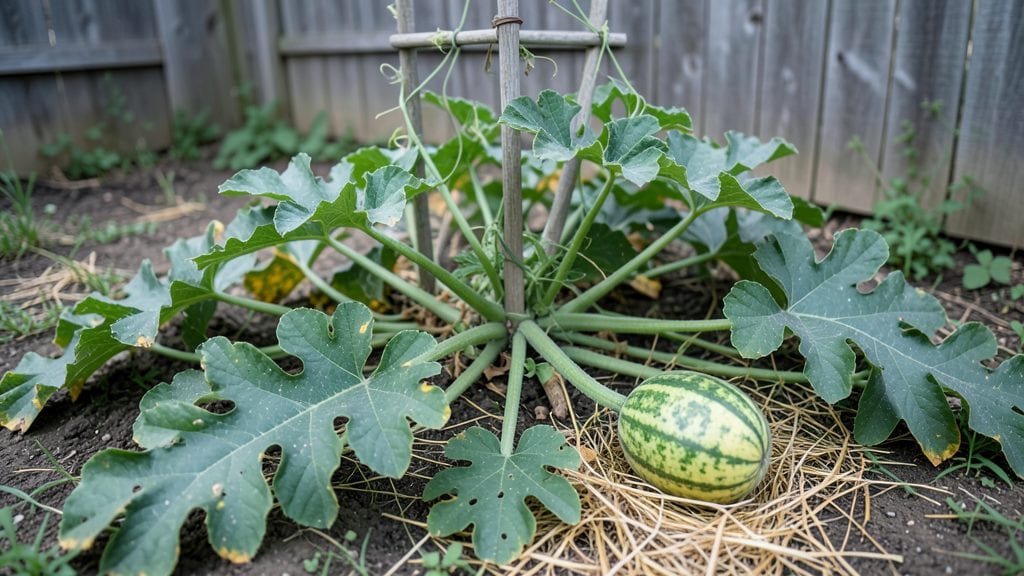
A mature watermelon plant isn’t just about waiting—it’s about recognizing the right moment when vines sprawl like lazy rivers and fruit turns from pale green to that deep, creamy yellow blush.
I’ve watched my own plants go from scraggly seedlings to heavy-fruited giants, and the difference between a thriving vine and a struggling one often comes down to a few key adjustments at this stage.
The tendrils might dry up, the leaves could yellow, but with the right care, you’ll end up with melons that weigh more than a small child.
Minimal pruning is the secret weapon here—focus on removing dead or diseased leaves while leaving the healthy ones to soak up sunlight. Water deeply in the morning to prevent fungal issues, and mulch around the base to keep roots cool.
In hot climates, shade cloth can save your plants from wilting, while cooler zones might need row covers for a little extra warmth. The goal isn’t perfection; it’s balance. Too much pruning stunts growth, but neglect leads to pests and poor fruit set.
Harvesting is the sweet payoff: check for that creamy stripe where the melon rests on the vine, and give it a gentle wiggle to test readiness. A ripe watermelon sounds hollow when tapped—like knocking on a drum.
You’ll end up with fruit that’s sweeter, heavier, and far more satisfying than anything from the store. The best part? This method works whether you’re in a sweltering Southern summer or a humid Pacific Northwest growing season.
Common challenges like powdery mildew or squash bugs pop up, but early intervention keeps them in check. A quick spray of neem oil or introducing ladybugs can turn the tide. And if your vines start looking exhausted by late summer, don’t panic—just let them rest.
With these tweaks, your mature watermelon plant will keep producing until frost, giving you melons well into fall.
📚 In This Guide
- What you need
- Instructions
- Tips and common mistakes
- Wrapping up and next steps
What you need
- ● Watermelon Seeds: Choose disease-resistant varieties like 'Sugar Baby,' 'Crimson Sweet,' or 'Charleston Gray.' Aim for 3–5 seeds per plant (or 1 seed per hill if direct-sowing).
- ● Growing Space: Outdoor Garden: A sunny spot with 6–10 hours of direct sunlight daily and well-draining soil (pH 6.0–7.0). Allocate 3–4 feet of space per plant (or 10–12 feet for vining varieties).
- ● Containers: At least 5-gallon pots (bigger is better for heavy fruits!). Use pots with drainage holes.
- ● Soil Mix: Outdoor: Amend garden soil with 2–3 inches of compost or aged manure before planting.
- ● Containers: Use a mix of 60% potting soil, 20% perlite, and 20% compost for optimal drainage.
- ● Fertilizer: Balanced fertilizer (10-10-10) at planting, then high-potassium fertilizer (5-10-10) when flowers appear.
- ● Organic options: Worm castings, fish emulsion, or compost tea for a gentler boost.
- ● Watering Supplies: Drip irrigation or soaker hose (to keep foliage dry and prevent disease).
- ● Watering can (for containers or seedlings).
- ● Pruning Tools: Bypass pruners (for clean cuts on vines).
- ● Garden shears (for larger stems).
- ● Disinfectant (rubbing alcohol or bleach solution) to sterilize tools between cuts.
- ○ Support Structures (Optional but Helpful): Trellis or cage (for vertical growth—save space and improve air circulation!).
- ● Straw or landscape fabric (to mulch and retain moisture).
- ● 🌡️ Soil Thermometer: Wait until soil temps reach 70°F+ before planting—watermelons are heat lovers!
- ● 🎯 Black Plastic Mulch: Spread it around plants to warm soil faster and suppress weeds (great for cooler climates!).
- ● ✨ Row Covers: Use lightweight fabric to protect seedlings from pests or late frosts.
Step-by-Step guide to maintaining a thriving mature watermelon plant
Here’s how to keep your watermelon plant productive and healthy with minimal fuss—no green thumb required.
Assess and Support the Vine Structure
Watermelon vines sprawl aggressively, so give them room to stretch. If your plant has multiple main vines (called runners), let 2-3 of the strongest grow while pinching off weaker ones at the base. This directs energy to fruit production instead of excessive foliage. Use the garden twine to gently guide vines along a trellis or fence if space is tight—just avoid pulling too tight, which can snap tender stems.
Check for yellowing lower leaves as a sign of overgrowth. These leaves compete for nutrients with developing fruit, so remove them by hand. Wear gloves—watermelon vines have prickly hairs that irritate skin. I always save these pruned leaves for compost, where they’ll break down into rich soil.
Focus on Watering and Soil Moisture
Watermelons need deep, consistent watering—about 1-2 inches per week—but avoid soggy soil. Water at the base of the plant in the morning using the drip irrigation hose to prevent fungal diseases from wet foliage. Let the top 1-2 inches of soil dry out between waterings; you’ll know it’s time when the soil feels dry to the touch 1 inch below the surface.
Mulch around the plant with 2-3 inches of straw mulch to retain moisture and suppress weeds. This also keeps fruit off damp soil, reducing rot risk. If your area gets hotter than 90°F, water slightly more frequently—watermelons slow growth in extreme heat, and fruit may crack if soil moisture fluctuates wildly.
Monitor for Pests and Diseases Early
Inspect the undersides of leaves and along the vines weekly for signs of pests like cucumber beetles or aphids. These pests spread diseases like powdery mildew, which appears as white, powdery patches on leaves. If you spot them, spray affected areas with neem oil mixed with water (1 tablespoon per quart) in the evening when bees aren’t active.
Remove any yellow or spotted leaves immediately—they’re hotspots for disease. Also, watch for vines with blackened or mushy spots, a sign of bacterial wilt. If caught early, prune infected vines 6 inches below the damage and dispose of them in the trash (not compost). Prevention is key: rotate crops yearly to avoid soil-borne pathogens.
Encourage Pollination and Fruit Development
Watermelons rely on bees for pollination, so if your plant isn’t getting many visitors, give it a hand. On warm, sunny mornings, gently shake the vines to dislodge pollen. Alternatively, use a small paintbrush to transfer pollen from male flowers (those with long stems) to female flowers (which have a tiny watermelon-shaped bump at the base).
Once fruit forms, thin them if needed—leave 2-4 of the healthiest melons per vine to maximize size and quality. Remove smaller or deformed fruit early, as they drain energy from the plant. You’ll know a watermelon is nearing ripeness when the tendril near the stem turns brown and the fruit sounds hollow when tapped with your knuckles.
Adjust Care as the Season Progresses
As temperatures drop below 50°F at night, watermelons slow down. Reduce watering slightly to prevent rot, but keep the soil evenly moist. Harvest any ripe melons before the first frost, as cold temperatures turn the flesh mushy. Use a sharp knife to cut fruit from the vine, leaving 1-2 inches of stem attached—this helps them ripen evenly and store longer.
After harvest, clean up all plant debris and remove the vines from the garden. Watermelons are annuals, so they won’t regrow, but you can compost the healthy vines (disease-free only). Next season, rotate planting locations to prevent soil depletion and pest buildup. With these steps, your mature watermelon plant will reward you with sweet, homegrown fruit year after year.
Tips & tricks for perfect mature watermelon maintenance
A few simple strategies can make all the difference in keeping your mature watermelon plant thriving through every season.
Pruning Strategy: In Step 1, when you're selecting which vines to keep, look for runners that are thick and vibrant rather than just long. The strongest vines will have a deep green color and firm stems. I've found that pinching off weaker runners at the base saves me time later—those extra vines would have just competed for nutrients with your fruit anyway.
Watering Wisdom: The 1-2 inches per week recommendation in Step 2 works best when you check soil moisture daily during extreme heat. Stick your finger about 1 inch down—if it feels dry, that's your cue to water deeply. I've learned the hard way that shallow watering leads to shallow roots, which makes your plant more vulnerable to drought stress.
Pest Prevention: For Step 3, don't wait until you see pests to act. I start my weekly inspections right after planting and keep neem oil spray ready. The key is consistency—those cucumber beetles multiply fast, and once they're established, they're harder to control. I also recommend doing your inspections in the morning when pests are most active and easier to spot.
Seasonal Adjustments: When temperatures drop below 50°F at night in Step 5, watermelons really slow down. I've noticed that reducing water slightly but keeping soil moist prevents rot while still supporting the plant's energy needs. The goal is to keep the roots happy without overwatering—they can't absorb excess moisture when growth slows.
Pro Tips for Mature Watermelon Plant
- A few simple strategies can make all the difference in keeping your mature watermelon plant thriving through every season.
- Pruning Strategy: In Step 1, when you're selecting which vines to keep, look for runners that are thick and vibrant rather than just long.
- Watering Wisdom: The 1-2 inches per week recommendation in Step 2 works best when you check soil moisture daily during extreme heat.
Frequently asked questions
Got questions about keeping your mature watermelon plant thriving? You’re in the right place! Here are answers to the most common queries—whether you're a first-time gardener or a seasoned green thumb looking for pro tips.
How do I know when my watermelon plant is truly mature?
A mature watermelon plant typically has 5–7 large, healthy leaves, long vines (6–12 feet), and male and female flowers (female flowers have tiny watermelons at their base). If you see blooms and the vines are sprawling, it’s ready for pollination and fruit growth!
How long does it take for a watermelon plant to reach maturity?
Most watermelon varieties take 70–100 days to mature from seed, depending on the type. Smaller varieties (like ‘Sugar Baby’) may mature in 60–70 days, while larger ones (like ‘Crimson Sweet’) can take up to 90 days. Check the seed packet for exact timelines!
Why aren’t my watermelon flowers turning into fruit?
This is often due to lack of pollination, extreme heat (above 90°F), or poor nutrition. Hand-pollinate by gently transferring pollen from male to female flowers with a paintbrush. Ensure consistent watering and fertilize with low-nitrogen, high-potassium feed to encourage fruiting.
Can I grow watermelons in hot or cold climates?
Watermelons thrive in warm weather (70–90°F) but can struggle in freezing temps (<32°F). In cold climates, start seeds indoors and transplant after the last frost. In hot climates, provide shade cloth during peak heat and mulch to retain moisture. Some varieties (like ‘Charleston Gray’) tolerate heat better than others!
Do I need to prune my mature watermelon plant?
Minimal pruning is best! Remove yellow leaves or damaged vines to redirect energy. Avoid heavy pruning—watermelons rely on long vines for photosynthesis. If space is tight, train vines along a trellis but leave 3–5 main runners for fruit production.
Wrapping up and next steps
Growing a mature watermelon plant is a rewarding journey that thrives with patience and minimal effort—especially when you embrace smart pruning and climate-friendly techniques! 🌱 Whether you're a beginner or a seasoned gardener, these insights will help you cultivate vibrant, productive vines and juicy, sweet melons.
The key takeaway? Confidence in your green thumb grows as you adapt—so don’t hesitate to experiment and enjoy the process!
Now that you’re armed with the right knowledge, it’s time to roll up your sleeves. Start by selecting your healthiest seedlings or seeds and give them the love they deserve. Ready to watch your garden flourish? Plant your first watermelon today! 🌞