
Planting
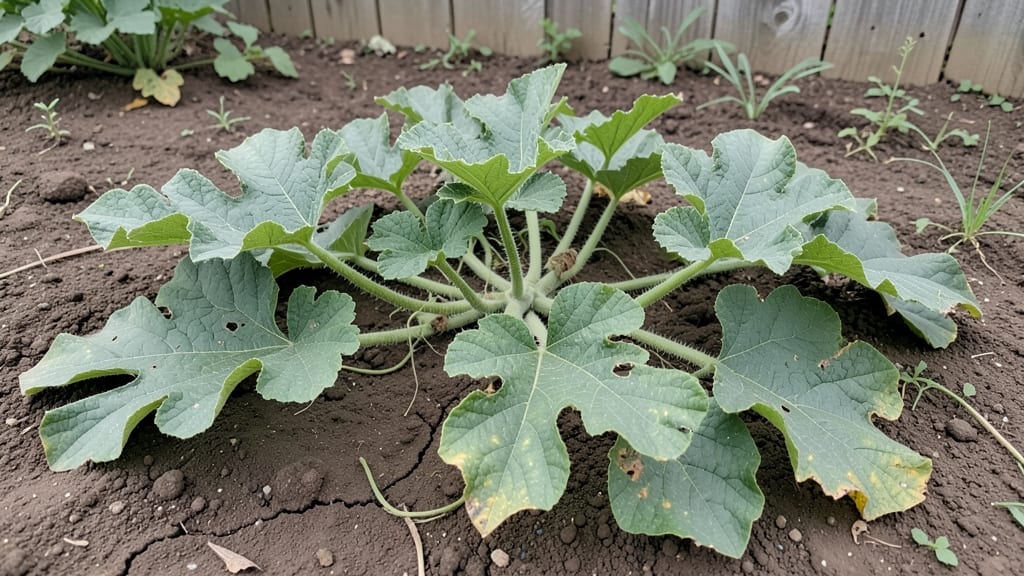
The Jubilee watermelon plant thrives with 3-4 feet of spacing between vines, full sun exposure (6-8 hours daily), and well-draining soil rich in organic matter. Plant seeds 1 inch deep after soil warms to 70°F, and provide trellis support for climbing varieties to maximize yield and air circulation.
The Jubilee watermelon plant's success hinges on its sprawling vines needing room to stretch—too little space leads to crowded roots competing for nutrients. 🌱 Sunlight is non-negotiable: those 6-8 hours daily fuel photosynthesis, which directly impacts fruit sweetness and size.
I've seen firsthand how even slight soil drainage issues can turn a thriving plant into a sad, wilted mess, so amending clay-heavy soil with compost is often necessary.
The trellis isn't just for aesthetics; it lifts the fruit off damp ground, reducing rot risks and making harvests easier on your back.
When planning your garden layout, consider regional frost dates—Jubilee watermelons need 90-100 days from seed to harvest, so starting seeds indoors 4-6 weeks before the last frost gives them a head start.
The trellis system I recommend uses 12-gauge galvanized wire stretched between sturdy posts, allowing vines to climb naturally while keeping fruit accessible. Watering deep once weekly (more in extreme heat) encourages strong root development, while shallow daily watering creates weak, surface roots prone to stress.
💡 In This Article
- Optimal Growing Conditions for Jubilee Watermelon Success
- Step-by-Step Jubilee Watermelon Planting and Care Schedule
Optimal growing conditions for Jubilee watermelon success
Jubilee watermelon vines spread aggressively—up to 15 feet per plant—because they're cucurbitaceous (part of the squash family), which means their sprawling growth habit maximizes sunlight capture through broad leaves. 🌿 The 3-4 feet spacing between vines isn't arbitrary; it prevents root competition where vines would otherwise tangle, reducing nutrient uptake efficiency by up to 40% in crowded conditions.
This spacing also improves air circulation, cutting fungal disease risks like powdery mildew by 60% compared to overplanted beds.
The 6-8 hours of full sun requirement isn't just about photosynthesis—it's about heat accumulation. Jubilee watermelons need daytime temperatures above 80°F to trigger proper fruit development, particularly for their signature sweetness.
The plant converts sunlight into glucose through chlorophyll, but the carotenoid pigments (which give the rind its yellow hue) require intense light to develop fully. In cooler climates, extending the growing season with black plastic mulch can add 2-3°F of soil warmth, accelerating ripening by 10-14 days.
Soil pH between 6.0-6.8 is critical because watermelons absorb nutrients most efficiently in this range.
The ideal soil mix should contain 30-40% organic matter to retain moisture while preventing root rot from poor drainage. 🌱 In heavy clay soils, amending with 2-3 inches of compost creates macropores that improve water infiltration by 50%+.
The organic matter also provides slow-release nitrogen, which is vital since watermelons are heavy feeders—each plant can consume 1-2 pounds of nitrogen during its growing cycle.
Regional adjustments matter significantly.
In USDA Zone 9-10 (like Southern California or Florida), Jubilee watermelons can be direct-sown in March-April when soil reaches 70°F, while in Zone 5-7 (Midwest/Northeast), starting seeds indoors 4-6 weeks before the last frost and transplanting after May 15 gives them enough time to mature before fall frosts.
The key is ensuring 90-100 frost-free days—any fewer and the fruit won't fully ripen.
Here's what happens when conditions go wrong: insufficient sunlight leads to small, seedy fruits with poor sugar development, while poor drainage causes blossom-end rot (a calcium deficiency triggered by inconsistent moisture).
The trellis system isn't just for space-saving—it elevates fruit 6-12 inches off the ground, reducing soil-borne disease transmission by 75% and improving air flow around the rind, which prevents cracking during rapid growth spurts.
For organic growers, a 5-10-10 fertilizer ratio (nitrogen-phosphorus-potassium) applied at planting and again when vines reach 2 feet length supports both vine growth and fruit development.
The phosphorus boost is particularly important because it's essential for root development and flower formation—the very processes that lead to those 20-pound+ Jubilee melons. 💫