
Plants
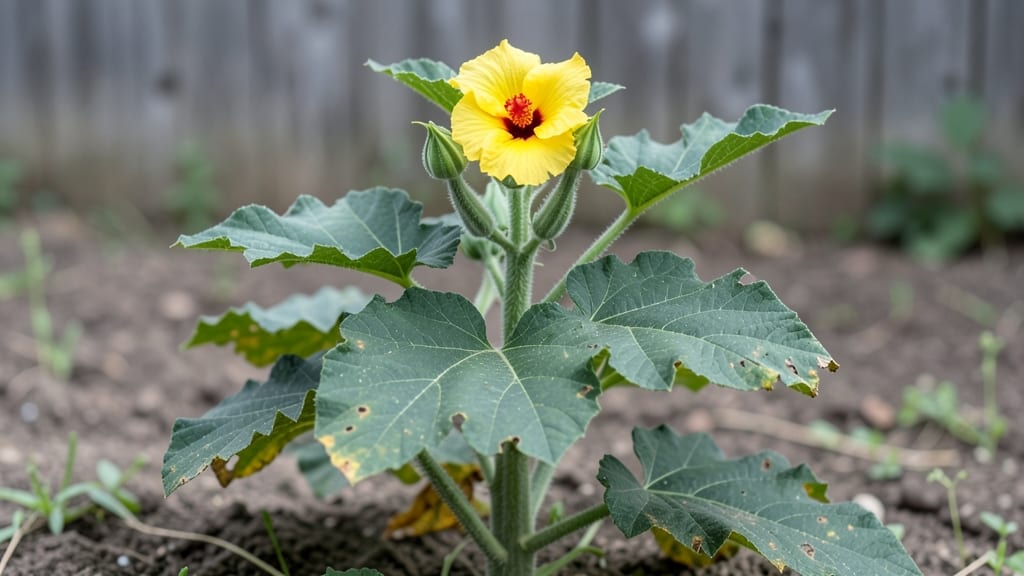
Timing the okra plant season right means the difference between bountiful harvests and sad, stunted plants 🌱 — and the window is narrower than you think.
Struggling to grow okra? Timing your plant season correctly is the secret to juicy, prolific harvests—this heat-loving plant thrives when sown at the perfect moment. Plant too early, and a late frost will kill it. Too late, and the heat arrives before the pods set.
In USDA Zone 6a, where I garden, okra needs to wait until after the last frost—typically late April to early June—when soil temperatures hit at least 60°F.
But in warmer climates, the rules shift entirely: Southern gardeners can start as early as March, while Northern Europeans must treat okra as a short-season annual and sow after Memorial Day.
Below, I break down the exact planting windows for your region, how to stretch your harvest with smart spacing, and the one mistake that wipes out even the best-timed crops.

Best okra planting seasons by US hardiness zones
Okra is a heat-loving annual that demands precise timing—plant too early, and frost will kill young seedlings; too late, and your harvest shrinks. Since okra thrives in warm soil (60°F+) and long, sunny days, your USDA hardiness zone dictates the perfect window.
In zones 5-7, wait until after the last frost (typically late May to June), while zones 8-11 offer longer growing seasons with earlier starts. My Southern garden (zone 8a) lets me sow okra as early as March 15, but I always check soil temps first.
Okra’s 50-80 day maturity means you’ll need to time planting so harvests align with your peak summer heat. In northern zones (5-7), focus on one late spring planting (May-June) for a July-October harvest.
Meanwhile, Southern gardeners (zones 8-11) can stretch seasons with early spring and fall plantings, avoiding only the hottest summer months when pods toughen. I’ve found succession planting every 2 weeks in zone 9 keeps my kitchen stocked from June through November.
In zones 5-7, I recommend using black plastic mulch to warm soil faster—this can shave off 2-3 weeks from your planting timeline. For zone 8+, focus on fall plantings (August-September) to escape the midday heat that causes pods to become woody and tough.
My zone 9 garden produces the sweetest okra when sown in late August, yielding tender pods through November.
Okra’s frost sensitivity means even a light freeze (32°F) will kill seedlings, so always monitor 10-day forecasts. I’ve lost entire plantings in zone 7 when a late spring frost hit after I’d already sown seeds.
To hedge your bets, keep seedlings on standby in biodegradable pots—this lets you transplant later if early weather turns chilly. For zones 9-11, shade cloth (30-50%) during peak summer can prevent bolting and improve pod quality.
Don’t overlook microclimates—a south-facing wall or raised bed can extend your season by <
How to extend your okra harvest season with smart planting
Okra thrives in warm weather, but with the right strategies, you can stretch your harvest from early summer all the way to fall. The key lies in succession planting, companion planting, and soil preparation—all designed to maximize your okra's growth potential.
By following these techniques, you'll enjoy fresh pods for months instead of just a few weeks.
First, let's talk about soil temperature. Okra seeds won't sprout until the soil reaches at least 60°F. If your spring is slow to warm, consider using black plastic mulch or a cold frame to speed up the process.
This simple trick can give you a jumpstart on the growing season, ensuring your okra gets off to a strong start.
Once your soil is warm enough, it's time to plant. But don't stop there—succession planting is your secret weapon for a longer harvest. Instead of planting all your okra seeds at once, stagger them in 2-week intervals.
This ensures a continuous supply of fresh pods as older plants finish producing.
- Soil Prep: Amend your soil with compost and a balanced fertilizer (10-10-10) before planting. Okra loves well-draining soil with a pH between 6.0 and 7.5. Test your soil first to avoid surprises.
- Succession Planting: Plant seeds in 2-week intervals from late spring through early summer. This keeps your harvest going for 2-3 months instead of just a few weeks.
- Companion Plants: Pair okra with beans, peppers, or tomatoes to improve growth. These plants repel pests and enhance soil nutrients, leading to healthier okra plants.
- Watering Schedule: Water deeply every 2-3 days during dry spells. Okra is drought-tolerant once established, but young plants need consistent moisture to thrive.
- Harvest Timing: Pick pods when they're 3-4 inches long for the best flavor. Harvesting regularly encourages more production—don't let pods grow too large or they'll become tough.
Don't overlook the power of companion planting. Okra grows well alongside beans, peppers, and tomatoes, but it dislikes being near potatoes or cabbage. These companions help repel pests like aphids and spider mites, reducing the need for chemical interventions.
Plus, they improve soil health, giving your okra the nutrients it needs to flourish.
Another pro tip is to mulch around your okra plants. A layer of straw or grass clippings helps retain moisture, suppress weeds, and keep the soil cool—especially important in hot climates.
Mulching also prevents soil-borne diseases by reducing splashing water during rain. It’s a simple step that makes a big difference in your okra's health and productivity.
Finally, keep an eye on your okra's growth habits. If you notice yellowing leaves or stunted growth, it might be time to side-dress with compost or a light fertilizer.
Okra is a heavy feeder, so don't skimp on nutrients. With these strategies, you'll enjoy a longer, more abundant harvest than ever before.