
Vegetables
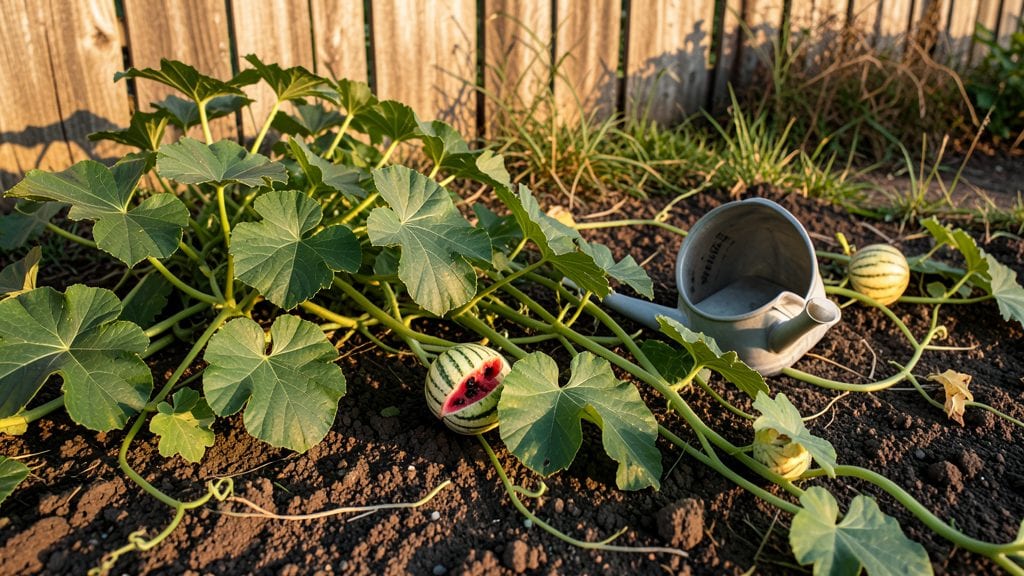
The crimson watermelon plant delivers the boldest flavor and color in just one season. 🌻 I’ve grown Crimson Sweet varieties for years, and they never disappoint—sweet, deep-red flesh that’s impossible to resist. The key is matching the plant’s love for heat with the right soil, spacing, and watering routine.
Warm climates are ideal, but even cooler zones can succeed with a long growing season and black plastic mulch to trap heat.
Start seeds indoors 3–4 weeks before your last frost, then transplant when soil hits 70°F. These vines need 3–4 feet of space to sprawl, so plan your garden layout carefully.
By midsummer, you’ll see those iconic yellow blooms followed by fruit the size of basketballs. The real magic happens when you slice into one—juicy, crisp, and bursting with that signature crimson sweetness. Just watch for cracking (keep soil evenly moist) and powdery mildew (space plants well for airflow).
Perfect for home gardens, farmers' markets, or even container growing with dwarf varieties. Once you try Crimson Sweet, you’ll never go back to store-bought watermelons again.
📚 In This Guide
- What you need
- Instructions
- Tips and common mistakes
- Wrapping up and next steps
What you need
- ● Crimson watermelon seeds: 5–10 seeds (or 2–3 plants if starting with seedlings). Look for heirloom or hybrid varieties labeled "Crimson Sweet" or similar.
- ● Well-draining potting mix: 10–15 gallons (for containers) or enrich your garden soil with compost (aim for 2–3 inches mixed into the top 12 inches of soil).
- ● Fertilizer: Balanced 10-10-10 fertilizer (1 tbsp per plant at planting).
- ● Low-nitrogen, high-phosphorus fertilizer (e.g., 5-10-10) for flowering/fruiting (1 tbsp every 3–4 weeks).
- ● Mulch: Straw or black plastic (to retain moisture and suppress weeds).
- ● Garden trowel or shovel (for planting).
- ● Watering can or hose with a gentle nozzle (watermelons need 1–2 inches of water weekly).
- ○ Trellis or stakes (optional but helpful): Watermelons can sprawl 6–10 feet! Use a 4–6 ft tall trellis or sturdy stakes to save space.
- ● Pruning shears (to trim vines and encourage fruit development).
- ● Gloves & sun hat (for comfort during hot planting days!).
- ● Full sun: 6–8+ hours of direct sunlight daily (no shade allowed!).
- ● Warm soil: Wait until soil temps reach 70°F+ (use a soil thermometer to check).
- ● Space: Plant seeds 2–3 feet apart in rows 5–6 feet apart (or in containers 15+ gallons).
- ● Patience: Crimson watermelons take 80–90 days to mature—plan accordingly!
Step-by-step instructions for growing crimson watermelon plants
Here's how to grow vibrant, productive crimson watermelon plants that deliver sweet, juicy fruit all season.
🌱 Step 1: Prepare the Planting Site
Choose a location with full sun exposure—at least 8-10 hours of direct sunlight daily. Crimson watermelons thrive in warm soil, so wait until nighttime temperatures stay above 60°F before planting. Test the soil pH to ensure it's between 6.0-6.8—watermelons prefer slightly acidic to neutral soil.
Loosen the soil to a depth of 12 inches to encourage root growth. Work in a 2-3 inch layer of compost to improve fertility and drainage. Watermelons are heavy feeders, so rich soil is key for those juicy harvests you're after. Avoid planting in the same spot where other cucurbits (like pumpkins or squash) grew last year to prevent disease buildup.
☀️ Step 2: Plant Seeds or Transplants
If starting from seed, plant 2-3 seeds per hill, spacing hills 3-4 feet apart in rows 6 feet apart. Crimson watermelon vines spread wide, so give them room to sprawl. Cover seeds with 1 inch of soil and water gently but thoroughly to settle the soil around them. Thin to the strongest seedling once they're 2-3 inches tall—this prevents competition and encourages bigger fruit.
For transplants, dig holes slightly larger than the root ball and space them the same way. Plant at the same depth they were growing in their containers. Press the soil firmly around the base to eliminate air pockets. Water deeply right after planting to help roots establish quickly. You'll know the soil is right when water drains through within 30 minutes—no soggy ground.
💧 Step 3: Water and Fertilize for Optimal Growth
Watermelons need 1-2 inches of water per week, especially during flowering and fruiting. Water at the base of the plant in the morning to reduce disease risk from wet foliage. Use a soaker hose or drip irrigation to keep leaves dry—this prevents fungal issues like powdery mildew. You'll see healthy vines when the leaves stay deep green and crisp, not yellow or wilted.
Feed plants with a balanced fertilizer (10-10-10) when vines start running. Apply a ½ cup per hill every 3-4 weeks during the growing season. Stop fertilizing once fruit begins to form—too much nitrogen at that stage can reduce sweetness. Watch for yellowing leaves as a sign of over- or under-fertilizing.
✂️ Step 4: Train Vines and Prune for Better Fruit
Watermelon vines can grow 20 feet long, so use trellises or stakes to manage their spread if space is limited. Let the main vines sprawl but prune side shoots that develop near the fruit—this directs energy to fewer, larger melons. Remove any leaves that shade the fruit, as sunlight helps ripen them faster. You'll know you're doing it right when the vines look strong and bushy with plenty of space between fruits.
Hand-pollinate if bees are scarce by gently shaking the vines in the morning. You'll see small, round fruits form within 2-3 weeks after flowering. Once fruit reaches half its expected size, stop handling it to prevent cracking. Crimson watermelons typically mature in 75-90 days, so mark planting dates to time your harvest.
🌿 Step 5: Harvest at Peak Ripeness
Harvest when the fruit's underside turns from white to creamy yellow and the tendril nearest the stem dries up and turns brown. A ripe crimson watermelon will feel heavy for its size and make a deep, hollow sound when tapped. Cut the stem with a sharp knife, leaving a 1-inch stem attachment to preserve the fruit's quality.
Store harvested melons in a cool, dry place (50-55°F) for up to 3 weeks. Avoid refrigerating until you're ready to cut—cold temperatures break down the fruit's texture. You'll know you've succeeded when you slice into that deep red, juicy flesh with minimal seeds and maximum sweetness.
Tips & tricks for perfect crimson watermelon growth
Here's what I've learned after growing these vibrant plants—tricks that'll make all the difference between average and showstopping watermelons.
Sunlight Secret: Those 8-10 hours of sunlight are non-negotiable, but here's the thing: morning sun is your best friend. The intense afternoon heat can stress young plants, so if you're in a hot climate, consider using shade cloth for the first week after transplanting. I've seen seedlings wilt dramatically when suddenly exposed to full afternoon sun—trust me on this.
Soil Preparation Strategy: The 2-3 inch layer of compost isn't just about nutrients—it's about creating the perfect environment. Work that compost into the top 12 inches of soil, not just spreading it on top. This creates a loose, aerated root zone that watermelons love. I like to add a handful of perlite to the mix for even better drainage, especially if your soil tends to stay soggy.
Watering Wisdom: That 1-2 inches per week guideline is perfect, but timing matters just as much. Always water in the morning so leaves have all day to dry out. I've had to rescue plants from powdery mildew after enthusiastic evening watering sessions—wet leaves overnight are an open invitation to fungal problems. Use the soil moisture test: stick your finger 2 inches down; if it's dry, it's time to water.
Fertilizer Timing: The ½ cup of balanced fertilizer every 3-4 weeks is spot-on, but here's my pro move: switch to a low-nitrogen formula (like 5-10-10) once flowers appear. Too much nitrogen at this stage will give you lush vines but tiny, bland-tasting fruit. I make this switch when I see the first yellow flowers—usually about 4-5 weeks after planting.
Pro Tips for Crimson Watermelon Plant
- Here's what I've learned after growing these vibrant plants—tricks that'll make all the difference between average and showstopping watermelons.
- Sunlight Secret: Those 8-10 hours of sunlight are non-negotiable, but here's the thing: morning sun is your best friend.
- Soil Preparation Strategy: The 2-3 inch layer of compost isn't just about nutrients—it's about creating the perfect environment.
Frequently asked questions
Got questions about growing your own crimson watermelon plant? You’re not alone! Here are answers to the most common queries to help you cultivate bold blooms and juicy harvests with confidence.
How long does it take for a crimson watermelon plant to bear fruit?
A crimson watermelon plant typically takes 70–90 days from seed to harvest, depending on your climate and growing conditions. In warmer regions, you might see fruit as early as 60 days, while cooler areas may need an extra 10–15 days. Start seeds indoors 4–6 weeks before the last frost for the best timing!
Can crimson watermelon plants survive frost?
Nope! Crimson watermelon plants are tender annuals and cannot tolerate frost. Even a light freeze will kill the plant. If frost is forecasted, harvest all ripe fruit immediately or use row covers to protect young seedlings. Plant after the last frost date in your zone for the best results.
What’s the best companion plant for crimson watermelons?
Crimson watermelons thrive with companion plants that deter pests or improve soil. Try:
- Marigolds (repel nematodes)
- Nasturtiums (keep aphids away)
- Bush beans (fix nitrogen in the soil)
- Avoid planting near potatoes or squash—they compete for nutrients.
Why aren’t my crimson watermelon flowers turning into fruit?
Missing fruit? Check these common issues:
- Pollination problems: Hand-pollinate with a paintbrush if bees are scarce.
- Inconsistent watering: Watermelons need 1–2 inches of water weekly (more during flowering).
- Temperature stress: Days below 55°F (13°C) or above 95°F (35°C) can halt fruit set.
- Nutrient deficiency: Add compost or a balanced fertilizer (10-10-10) at planting.
What can I do with crimson watermelon plants after harvest?
Don’t toss those vines! Here’s how to repurpose them:
- Compost: Chop up healthy vines (no disease) to enrich your soil.
- Mulch: Spread dried leaves around other plants to retain moisture.
- Save seeds: Scoop out seeds, rinse, dry, and store in a cool place for next year’s crop.
- Avoid composting diseased plants—burn or trash them to prevent spreading issues.
Wrapping up and next steps
Growing a crimson watermelon plant is a rewarding journey that blends beauty with bounty—imagine vibrant blooms and sweet, juicy fruit in just one season! 🌱 With the right soil, sunlight, and care, you’ll turn your garden into a lush, productive paradise.
Whether you’re a seasoned gardener or a curious beginner, these bold plants offer a delicious payoff for your patience.
Ready to dive in? Start by sketching your garden layout—mark where your watermelon vines will sprawl—and gather your supplies. Then, plant with confidence, knowing each seed has the potential to grow into a showstopping harvest. Happy planting! 🍉✨