
Diseases
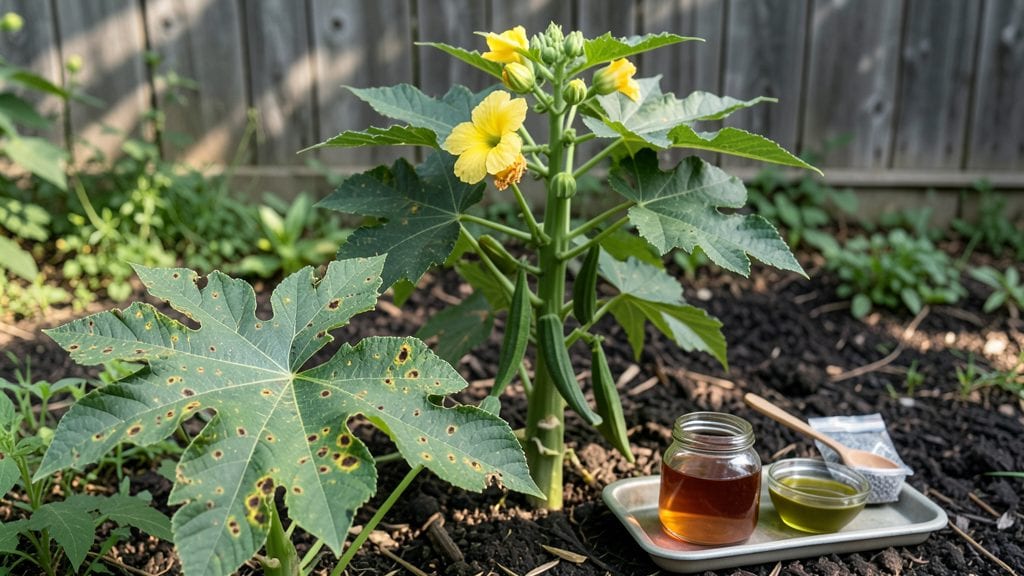
Okra plant diseases can turn your thriving crop into a sad, wilted mess—unless you spot the warning signs early. 🌿 I’ve seen powdery mildew turn leaves white overnight and bacterial blight rot stems into mush, but there are ways to stop these threats before they ruin your harvest.
The key is knowing what to watch for and acting fast.
Most fungal issues start with too much humidity or crowded plants, while bacterial infections often hitch a ride on contaminated tools or water. My biggest mistake? Ignoring the first yellow spots until they spread.
Once you recognize the patterns—like the fuzzy white coating of powdery mildew or the oily stains of bacterial blight—you can treat them before they take over.
With the right mix of preventive care (like proper spacing and airflow) and targeted treatments (neem oil for fungi, copper spray for bacteria), you’ll keep your okra plants strong. I’ve saved entire rows just by catching problems early—your plants can thrive too, with fewer sickly leaves and more pods.
Whether you’re dealing with a sudden outbreak or just want to prevent future issues, this guide breaks down the most common diseases and the exact steps to stop them. No more guessing—just clear, actionable fixes for a healthier garden.
Root Causes Behind Okra Ailments
Okra plants, like any other crop, are vulnerable to diseases due to a mix of environmental, biological, and cultural factors. Understanding why these issues arise is the first step toward prevention.
Below, we break down the key culprits—from microscopic invaders to overlooked farming habits—that turn your thriving okra into a sickly spectacle.
Fungi are the #1 cause of okra diseases, thriving in warm, humid conditions—especially when plants are stressed. These organisms release spores that latch onto leaves, stems, or roots, creating unsightly spots, wilting, or even rotting. Here’s how it happens:
- High Humidity + Poor Airflow: Fungal spores love moisture. If okra plants are crowded or watered overhead (especially at night), spores splash onto leaves, germinate, and infect tissues. Example: Cercospora leaf spot thrives when humidity stays above 75% for prolonged periods.
- Old or Contaminated Soil: Leftover fungal spores from previous crops (like cotton or tomatoes) can persist in soil. If your okra is planted in the same spot year after year, pathogens build up, increasing infection risk.
- Weakened Plant Defenses: Nutrient deficiencies (especially potassium or calcium), drought stress, or over-fertilization with nitrogen weaken okra’s natural resistance. Result? Fungi like Phytophthora (cause of root rot) exploit these vulnerabilities.
💡 Pro Tip: Space plants 18–24 inches apart for airflow, and avoid watering foliage. If soil was used for infected crops, solarize it (cover with clear plastic for 4–6 weeks) to kill spores.
Unlike fungi, bacteria spread via water, wind, or even tools like pruners. They enter through wounds (e.g., insect bites, rough handling) or natural openings (stomata on leaves). Once inside, they multiply rapidly, clogging plant vessels and causing:
- Oozing Lesions: Bacteria like Xanthomonas campestris (which causes bacterial leaf spot) produce yellow, water-soaked spots that ooze when wet. Rain or overhead irrigation splashes bacteria onto new tissue.
- Vascular Blockages: Pseudomonas species invade the plant’s vascular system, turning leaves yellow and stems mushy. This is often fatal because the plant can’t transport water or nutrients.
- Contaminated Seeds or Transplants: If you plant infected seeds or seedlings, bacteria are already on board. Symptoms appear within 2–3 weeks as wilting or stunted growth.
🔥 Prevention Hack: Sterilize tools with 70% alcohol between plants, and use drip irrigation to avoid bacterial splash. If buying seeds, choose certified disease-free varieties.
Okra diseases often flourish when plants are already struggling. Extreme heat, poor drainage, or sudden weather shifts create the perfect storm for pathogens. Here’s how:
| Stressor | How It Helps Diseases Spread | Example Disease |
|---|---|---|
| 🔥 Extreme Heat (>90°F) | Weakens cell walls, making okra more susceptible to Alternaria leaf spot (brown, concentric rings on leaves). | Alternaria leaf spot |
| 💦 Poor Drainage | Waterlogged soil suffocates roots, inviting Phytophthora (root rot). Fungi thrive in anaerobic conditions. | Phytophthora blight |
| 🌪️ Sudden Rain After Drought | Shocked plants can’t recover fast enough, and fungal spores explode in growth with the moisture. | Cercospora leaf spot |
🌡️ Climate Control Tip: Mulch with straw to regulate soil temp, and choose well-draining soil (sandy loam is ideal). If heat is extreme, provide shade cloth (30–50%) during peak afternoon sun.
Even the best-growing okra can fall prey to diseases if basic farming practices are ignored. Here’s how mistakes invite trouble:
- Overhead Irrigation: Water droplets act like tiny projectile spores, launching fungal pathogens onto leaves. Result: Faster spread of diseases like Powdery Mildew.
- Planting Too Early or Late: Okra needs warm soil (60°F+) to germinate. Planting in cool weather stresses seedlings, making them easy targets for damping-off fungi (Pythium or Rhizoctonia).
- Ignoring Crop Rotation: Planting okra in the same spot yearly exhausts soil microbes and leaves behind disease-causing pathogens. Solution: Rotate with non-host crops like legumes or grasses.
- Excessive Nitrogen Fertilizer: Too much nitrogen = soft, lush growth that’s perfect for fungal infections. Balance with phosphorus and potassium for stronger cell walls.
✨ Golden Rule: Follow a 3-year rotation and test soil pH (ideal: 6.0–6.8). If you must replant okra in the same spot, solarize soil or use compost tea to boost beneficial microbes.
Quick Fixes for Sick Okra Plants
When your okra plants show signs of distress, acting fast can save your harvest. Below are practical, step-by-step solutions tailored to the most common diseases, along with prevention tips to keep your garden thriving.
Fungal infections thrive in damp, warm conditions. Here’s how to stop the spread and revive your plants:
🔥 Remove and Dispose of Infected Leaves
- How to do it: Snip off yellowed, spotted, or powdery leaves with clean scissors or pruners.
- Pro tip: 💡 Don’t compost infected plant material—toss it in the trash to prevent reinfection.
🍳 Apply Fungicidal Sprays (Organic & Chemical Options)
| Method | How to Use | Best For |
|---|---|---|
| Neem Oil Spray | Mix 1 tbsp neem oil + 1 tsp mild soap + 1 quart water. Spray early morning. | Powdery mildew, early-stage infections |
| Baking Soda Spray | 1 tsp baking soda + 1 quart water + few drops of soap. Spray weekly. | Leaf spot, powdery mildew |
| Copper Fungicide | Follow label instructions (e.g., 1 tbsp per gallon of water). Rotate with other sprays. | Severe anthracnose, bacterial leaf spot |
🌡️ Improve Airflow & Reduce Humidity
- Space plants 18–24 inches apart to allow sunlight and airflow.
- Water at the base (avoid overhead sprinkling) and water early in the day so foliage dries quickly.
- Use row covers if humidity is consistently high.
🎯 Prevent Future Outbreaks
- Rotate crops—don’t plant okra in the same spot yearly.
- Solarize soil (cover with clear plastic for 4–6 weeks in summer) to kill fungal spores.
- Choose resistant varieties like ‘Clemson Spineless’ or ‘Emerald.’
Bacteria spread rapidly in wet conditions. Isolate infected plants immediately and follow these steps:
👨🍳 Prune & Sterilize Tools
- Cut out infected leaves and sterilize pruners with rubbing alcohol (70% or higher) between cuts.
- Avoid handling plants when they’re wet—bacteria spread easily through water droplets.
🥘 Use Copper-Based Bactericides
- Best options: Copper hydroxide or copper sulfate sprays (e.g., Bordeaux mixture).
- Apply every 7–10 days until symptoms disappear.
- Pro tip: 💡 Test a small leaf first—some plants may react to copper.
⏰ Adjust Watering Practices
- Water deeply but infrequently (1–2 inches per week) to avoid soggy soil.
- Use drip irrigation instead of sprinklers to keep leaves dry.
- Avoid watering late in the day—wet foliage overnight invites bacteria.
🔪 Remove & Destroy Severely Infected Plants
- If more than 30% of the plant is diseased, pull it up and burn or trash it (do not compost).
- Disinfect the soil around the plant with a 10% bleach solution (1 part bleach to 9 parts water).
✨ Boost Plant Immunity
- Fertilize lightly with a balanced 10-10-10 or compost tea to strengthen plants.
- Avoid nitrogen-heavy fertilizers—they promote soft, bacteria-prone growth.
Viruses are incurable, but you can limit spread and prevent new infections:
🚫 Remove & Destroy Infected Plants Immediately
- No treatments exist—pull and burn or deep-bury infected plants to stop the virus from spreading to others.
- Aphids spread viruses—control them with soapy water sprays or neem oil.
🛡️ Prevent Aphid Infestations
- Inspect plants daily for tiny green/black bugs on undersides of leaves.
- Use reflective mulch (aluminum foil or silver plastic) to deter aphids.
- Introduce beneficial insects like ladybugs or lacewings.
🌱 Choose Virus-Resistant Varieties
- ‘Arkansas 46’ and ‘Emerald’ show some resistance to mosaic viruses.
- Buy certified disease-free seeds from reputable suppliers.
🌡️ Practice Crop Rotation & Sanitation
- Wait 3–4 years before replanting okra in the same spot.
- Clean garden tools with rubbing alcohol between uses.
- Remove all plant debris at the end of the season.
- Strengthen plants with compost or balanced fertilizer before symptoms appear.
- Monitor weather forecasts—avoid planting okra if rain is predicted for 3+ days.
- Test soil pH (ideal: 6.0–6.8)—extreme pH levels weaken plants.
- Plant companion crops like marigolds or basil to deter pests and diseases.
- Start with healthy seedlings—buy from trusted nurseries or grow from sterilized seeds.
Final Note: 🌟 Early action is key! The sooner you treat symptoms, the better your okra’s chances of recovery. Prevention is always easier than cure—so stay vigilant and keep your garden healthy!
Frequently asked questions
What are the first signs of fungal diseases on okra plants?
Look for white powdery coatings (powdery mildew), yellow/brown spots with dark edges (leaf spot), or fuzzy growths (downy mildew). These often appear on older leaves first and spread quickly in humid conditions. Check undersides of leaves where spores hide.
Can I save my okra plants if they already have bacterial blight?
Only if caught early! Remove infected leaves immediately and sterilize tools with rubbing alcohol. For severe cases, pull the plant completely to prevent spread. Copper fungicide sprays (applied every 7–10 days) can help, but bacterial infections often require removing the entire plant.
How do I prevent okra diseases before they start?
Space plants 18–24 inches apart for airflow, water at the base (not overhead), and rotate crops yearly. Use drip irrigation and mulch with straw to regulate soil moisture. Sterilize tools between plants and choose disease-resistant varieties like 'Clemson Spineless'.
Is neem oil safe to use on okra plants?
Yes! Neem oil is excellent for preventing fungal diseases like powdery mildew. Mix 1 tablespoon neem oil + 1 teaspoon mild soap + 1 quart water and spray early morning. It’s organic, non-toxic, and works best when applied preventatively every 7–14 days.
Why do my okra plants get yellow leaves even when they have enough water?
Yellow leaves often signal nutrient deficiencies (like nitrogen or magnesium) or fungal/bacterial infections. Check for spots, wilting, or powdery coatings. Test soil pH (ideal: 6.0–6.8)—extreme pH can block nutrient uptake. Apply compost tea or balanced fertilizer if needed.