
Neem Oil
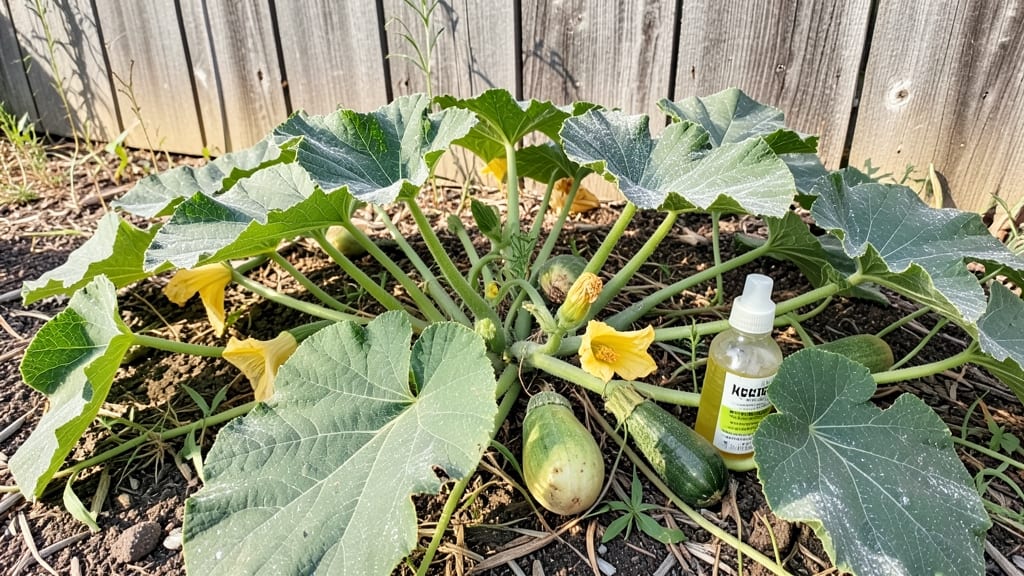
Neem oil on squash plants saved my summer harvests after aphids turned my vines into sticky, curled messes. 🌱 That first year, I nearly gave up—until I discovered how this simple, organic spray could stop pests dead in their tracks while keeping my plants thriving.
The secret isn't just spraying; it's timing, dilution, and knowing which pests actually fear neem's bitter taste.
Squash bugs, powdery mildew, and aphids all hate neem oil's natural compounds, but it works best when applied at dawn or dusk to avoid harming bees. A 1-teaspoon-per-quart dilution in water with a drop of dish soap as an emulsifier does the trick—no fancy equipment needed.
Just mix, strain, and spray directly on leaves and stems where pests hide. Reapply every 7-10 days or after rain, and you'll see those pests retreat within 24-48 hours.
What you'll end up with is squash plants that look vibrant green, not yellowed or spotted, and vines that keep producing instead of wilting. The best part? No harsh chemicals lingering in your soil or on your produce.
My zucchini plants went from struggling to bursting with fruit within weeks, and the same spray kept my cucumbers healthy too. The key is consistency—don't skip applications when pests first appear.
For extra protection, pair neem oil with row covers early in the season or introduce beneficial nematodes to the soil. If pests return after a few weeks, rotate with spinosad or kaolin clay for a second line of defense.
The goal is to break the pest cycle entirely, not just treat symptoms. Once you master this, your squash patch will be the envy of every gardener on the block.
Root Causes Of Plant Stress
When squash plants suddenly show signs of distress after applying neem oil, it’s rarely due to the oil itself—if used correctly. Instead, the issue often stems from how, when, or why it was applied.
Understanding these root causes helps gardeners avoid mistakes and protect their crops effectively. Let’s break down the most common culprits:
Neem oil is derived from the seeds of the Azadirachta indica tree and contains azadirachtin, a natural insect repellent. However, this compound becomes less effective—and even harmful—to plants when exposed to extreme temperatures or low humidity. Here’s why:
- Heat Sensitivity: Applying neem oil under direct sunlight or high temperatures (above 90°F/32°C) can cause the oil to overheat, leading to leaf burn. The oil’s volatile compounds evaporate quickly, leaving behind a concentrated residue that clogs plant stomata (pores), disrupting gas exchange.
- Cold Stress: Temperatures below 50°F (10°C) slow down neem oil’s absorption and can cause cold shock to delicate squash foliage. The oil may harden on leaves, creating a waxy film that blocks sunlight.
- Low Humidity: Dry air accelerates the oil’s evaporation, making it stickier and more likely to clump on leaves. This can attract dust or pollen, further stressing the plant.
Actionable Fix: Always apply neem oil early in the morning or late afternoon when temperatures are moderate (between 50–85°F/10–29°C). If humidity is low, lightly mist the plants before application to help the oil spread evenly.
Neem oil is potent—even in its diluted form—and using too much can smother squash plants. The key issue? Surface tension and residue buildup. Here’s the science:
- Clogged Stomata: Squash leaves have 20,000–40,000 stomata per square inch. When neem oil is applied at a concentration higher than 1–2% (1–2 tbsp per gallon of water), the oil can plug these pores, preventing CO₂ intake and oxygen release. This leads to yellowing leaves and stunted growth.
- Fungal Risk: Excess oil creates a sticky film that traps moisture, creating a perfect environment for powdery mildew or bacterial leaf spot—common squash pests.
- Root Absorption Issues: While neem oil is not systemic (it doesn’t move through the plant’s vascular system), over-soaking roots can disrupt beneficial microbial activity in the soil, harming nutrient uptake.
Actionable Fix:
- Stick to a 1–2% dilution rate (e.g., 1 tbsp per gallon of water for most pests).
- Avoid reapplying within 7–10 days unless pests return.
- Use a surfactant (like horticultural oil or castile soap) to help the oil spread without clumping.
Squash plants are sensitive during critical growth phases, and neem oil can interfere if applied at the wrong time. The problem? Disrupted hormonal balance. Here’s how:
| Growth Stage | Why Neem Oil Causes Stress | Risk of Damage |
|---|---|---|
| Seedling Phase (First 2–3 Weeks) | Neem oil can slow root hair development and disrupt auxin (growth hormone) absorption, leading to weak stems and stunted seedlings. | Yellowing cotyledons, poor germination |
| Flowering & Fruiting (4–8 Weeks) | The oil may interfere with pollinators (like bees) if applied directly to flowers, reducing fruit set. It can also alter ethylene production, delaying ripening. | Fewer squash, misshapen fruits, slow maturation |
| Post-Harvest (Stressed Plants) | Plants already weak from disease or pests may not recover from neem’s residual effects, leading to premature senescence (aging). | Rapid leaf drop, reduced vigor for next season |
Actionable Fix:
- Avoid neem oil on seedlings—wait until plants have 2–3 true leaves.
- Apply before flowering (focus on leaves) or after harvest to prevent pollinator harm.
- If using during fruiting, target only affected leaves and avoid flowers.
Not all squash problems are pests! Applying neem oil to fungal, bacterial, or physiological issues won’t help—and may worsen the problem. Common misdiagnoses include:
- Powdery Mildew vs. Spider Mites:
- Powdery mildew (fungal) appears as white, powdery patches on leaves.
- Spider mites cause tiny yellow stipples and webbing.
Neem oil won’t cure mildew but can smother spores if applied with sulfur or baking soda. For mites, it’s effective—but if the issue is mildew, neem alone may fail.
- Bacterial Leaf Spot vs. Aphids:
- Bacterial spot causes water-soaked, crinkled leaves with yellow halos.
- Aphids leave sticky residue (honeydew) and curled leaves.
Neem oil doesn’t treat bacterial infections—it only controls pests. Overuse can weaken plant defenses, making bacterial issues worse.
- Nutrient Deficiencies:
Yellowing leaves (e.g., magnesium deficiency) are often mistaken for pest damage. Neem oil won’t fix soil imbalances—it may mask symptoms temporarily while the real problem persists.
Actionable Fix:
- Take a close-up photo of the issue and compare it to P
Quick Fixes for Squash Plant Woes
Neem oil is a garden superhero for squash plants, but even the best defenses need a little troubleshooting. Whether your vines are wilting, leaves are spotted, or pests are partying on your plants, these targeted solutions will get your squash back to thriving—without harsh chemicals.
Below, we’ve mapped common squash plant problems to practical fixes, plus prevention tips to keep your harvest safe and sound.
Cause: These critters suck the life out of leaves, spread disease, and stunt growth. Neem oil disrupts their life cycle, but sometimes you need a boosted defense.
How to Treat It
✅ Reapply Neem Oil Properly (🔥 Critical Step)
- Mix 1 tbsp neem oil + 1 tsp mild dish soap + 1 quart water in a spray bottle.
- Spray early morning or late evening (avoid direct sun—it burns leaves).
- Cover the undersides of leaves (where pests hide).
- Reapply every 5–7 days until pests vanish.
✅ Handpick & Crush (👨🍳 For Stubborn Invaders)
- Fill a bucket with soapy water and pluck off squash bugs or beetles by hand.
- Drop them in the soapy water—they’ll drown instantly.
- Check daily for new eggs (tiny yellow clusters) and scrape them off.
✅ Introduce Beneficial Bugs (🐞 Nature’s Cleanup Crew)
- Release ladybugs, lacewings, or parasitic wasps (available at garden centers).
- They eat pests for you—no chemicals needed!
💡 Prevention Tip:
- Row covers (floating fabric) block beetles while letting sunlight through.
- Interplant with marigolds—their scent repels squash bugs naturally.
Cause: Humid weather + crowded plants = fungal spores thriving. Neem oil prevents fungi but won’t cure severe cases.
How to Fix It
✅ Neem Oil Fungicide Spray (🍳 DIY Recipe)
- Mix 2 tbsp neem oil + 1 tsp baking soda + 1 quart water.
- Add 1 drop of liquid soap (helps stick to leaves).
- Spray thoroughly, including stems and leaf undersides.
- Apply every 7–10 days or after rain.
✅ Improve Airflow (🌬️ Stop the Fungal Party)
- Prune crowded vines to let air circulate.
- Space plants 3–4 feet apart (follow seed packet guidelines).
- Water at the base (never overhead)—wet leaves = fungal buffet.
✅ Baking Soda Rinse (⏰ Emergency Cleanup)
- For mild mildew, spray leaves with 1 tsp baking soda + 1 quart water + a few drops of soap.
- Rinse with clean water after 1 hour to avoid leaf burn.
💡 Prevention Tip:
- Rotate crops—don’t plant squash in the same spot yearly.
- Harvest promptly—overripe fruits attract pests and disease.
Cause: Overwatering, underwatering, or nutrient deficiencies (often from compaction or poor soil).
How to Revive Them
✅ Check the Soil (🌡️ Diagnose First)
- Stick your finger 1 inch deep—if dry, water deeply. If soggy, hold off and improve drainage.
- Yellow lower leaves? Likely overwatering or root rot.
- Crispy edges? Underwatering or high salt buildup.
✅ Fertilize Smartly (📊 Feed the Right Way)
- Use a balanced organic fertilizer (5-5-5 or 3-4-6 ratio).
- Side-dress with compost or worm castings mid-season for a boost.
- Avoid high-nitrogen (like grass clippings)—it burns leaves.
✅ Loosen Compacted Soil (🔪 Give Roots Room to Breathe)
- Gently fork the soil around the base (don’t damage roots).
- Mix in perlite or coarse sand to improve drainage.
💡 Prevention Tip:
- Mulch heavily (2–3 inches of straw or grass clippings) to retain moisture and regulate temperature.
- Test soil pH (aim for 6.0–6.8)—squash loves slightly acidic soil.
Cause: Calcium deficiency (often from uneven watering or poor soil structure).
How to Stop It
✅ Calcium Boost (✨ Fast Fix)
- Spray leaves with calcium nitrate solution (1 tbsp per gallon of water).
- Water deeply with gypsum (calcium sulfate) mixed into the soil.
- Avoid over-fertilizing with nitrogen—it competes with calcium uptake.
✅ Water Consistently (💦 Prevent Future Rot)
- Keep soil evenly moist—never let it dry out completely.
- Drip irrigation (not sprinklers) delivers water straight to roots.
💡 Prevention Tip:
- Add crushed eggshells to planting holes (they break down slowly, releasing calcium).
- Compost tea improves soil microbial activity, helping nutrient absorption.
- Best time to apply: Early morning or late evening (avoids leaf burn from sun).
- Avoid spraying when flowers are open (neem can harm bees—wait until evening).
- Rotate with other sprays (like garlic spray or horticultural oil) to prevent resistance.
- Store neem oil properly (cool, dark place—it degrades in heat).
Final Pro Tip: 🎯 Monitor daily—catch problems early, and your squash will reward you with bountiful, pest-free harvests! Whether it’s pests, fungi, or wilting, neem oil + smart care = happy squash. 🎉
Frequently asked questions
How often should I apply neem oil to squash plants?
Apply neem oil every 7-10 days or immediately after heavy rain to maintain protection. For severe infestations, you can spray every 5-7 days until pests disappear. Always apply in the early morning or late evening to avoid leaf burn and protect pollinators.
Can I use neem oil on squash flowers or fruits?
Neem oil is safest to use before flowering or after harvest to avoid harming bees and other pollinators. If you must treat flowering plants, apply only to leaves in the late afternoon when bees are less active. Never spray directly on open flowers.
What's the best dilution ratio for neem oil on squash?
Use a 1-2% dilution for most pests: 1 tablespoon per quart of water (or 2 tablespoons per gallon). Add 1 teaspoon of mild dish soap as an emulsifier to help the oil spread evenly. For fungal issues, increase to 2 tablespoons per quart with 1 teaspoon baking soda.
Will neem oil harm beneficial insects like ladybugs?
Neem oil is generally safe for beneficial insects when applied correctly. However, it can harm them if overused or applied during active pollination. Always apply in the evening and avoid spraying flowers. Beneficial insects like ladybugs and lacewings are more tolerant than bees, so they'll recover faster.
What should I do if my squash leaves turn brown after applying neem oil?
Brown leaves usually indicate leaf burn from applying neem oil in direct sunlight or high temperatures. Stop applying immediately and rinse the leaves with clean water. Next time, apply only in the early morning or late evening when temperatures are below 85°F and humidity is moderate.