
Plants
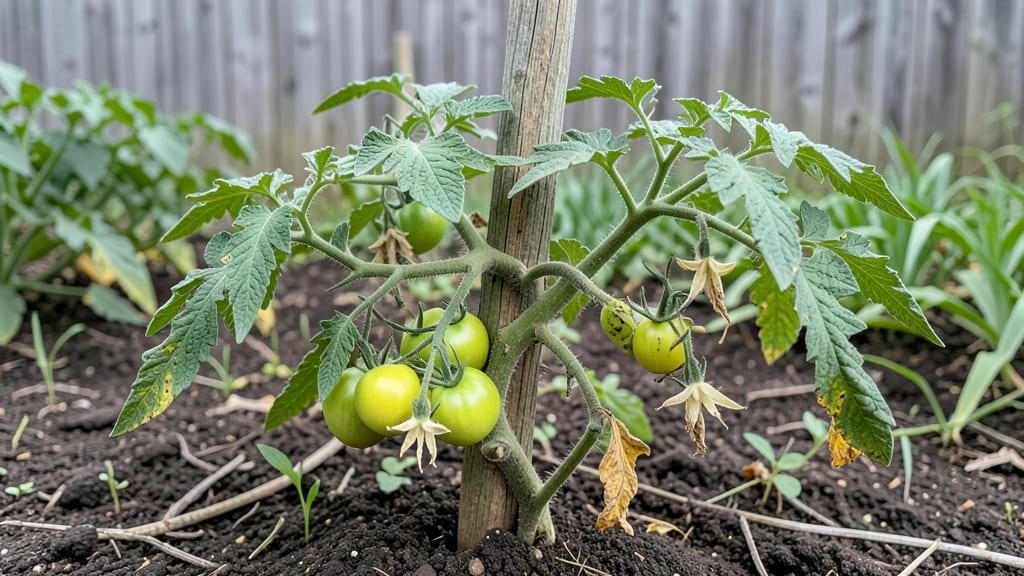
When your tomato plants turn lime green instead of deep green, it’s your signal to act fast. 🌱 I’ve seen this happen in my own garden—what looked like healthy plants suddenly looked stressed, and the harvest suffered.
The good news? This color shift almost always points to a fixable issue, whether it’s a missing nutrient, a hidden pest, or a simple growing condition.
Most lime-colored leaves mean your plants are starving for nitrogen or magnesium, though early blight or overwatering can cause it too. I’ve diagnosed this by checking the soil pH and leaf edges—yellowing between veins?
That’s magnesium. Uniform pale green? Likely nitrogen. The fix often starts with a balanced fertilizer or a quick soil test to pinpoint exactly what’s missing.
Within days of addressing the root cause, you’ll see those leaves darken back to vibrant green. Your plants will bounce back with stronger stems, better fruit set, and tomatoes that taste sweeter and juicier than ever.
The key is acting before the problem spreads—once the leaves start curling or dropping, recovery gets harder.
This works for both container and in-ground tomatoes, and the same principles apply whether you’re growing heirlooms or hybrids. Let’s get those plants back on track before the next harvest slips away.
Root Causes Of Lime Tomato Struggles
When your lime tomato plants—those vibrant hybrids blending citrusy lime zest with classic tomato flavor—start underperforming, it’s usually due to a mix of environmental, biological, or cultural factors. Understanding these root causes helps you address the issue before it stunts growth, reduces yield, or invites pests.
Below, we break down the science behind why these plants may be failing, with actionable insights to turn things around.
Lime tomato plants thrive in soil with a slightly acidic to neutral pH range (typically 6.0–6.8). If your soil is too alkaline (high pH), it locks out essential nutrients like iron, manganese, and zinc—even if they’re present in the soil. This leads to:
- Yellowing leaves (chlorosis): Especially between veins, signaling iron deficiency.
- Stunted growth: Poor nutrient uptake weakens the plant’s ability to produce energy.
- Weak fruit development: Without proper micronutrients, tomatoes may stay small or develop poor flavor.
Why it happens: Lime-infused tomato varieties often require more precise pH management because their hybrid genetics can be sensitive to soil chemistry. Over time, organic matter breaks down, raising pH, while limestone amendments (common in many regions) further alkalize the soil. Test your soil—home kits or professional labs can confirm pH and guide amendments like sulfur (to lower pH) or peat moss (to buffer acidity).
Lime tomato plants are thirsty but hate soggy roots. Watering issues trigger two major problems:
Overwatering: The Silent Suffocator
Excess moisture deprives roots of oxygen, leading to:
- Root rot (caused by Phytophthora or Pythium fungi): Roots turn black and mushy, cutting off water and nutrient absorption.
- Blossom end rot: Calcium uptake fails due to disrupted root function, causing dark, leathery spots on fruit.
- Weak stems: Overly wet soil encourages fungal growth, weakening structural integrity.
Why it happens: Clay or compacted soils drain poorly, while container-grown plants dry out faster but can also retain excess moisture. Check soil moisture by sticking your finger 1–2 inches deep—water when dry. Improve drainage with compost or perlite, and avoid overhead watering to prevent fungal spores from splashing onto leaves.
Underwatering: The Stress Trigger
Drought stress forces plants to conserve water, leading to:
- Wilting: Leaves droop, especially in heat, as the plant prioritizes root survival over foliage.
- Cracked fruit: Rapid water uptake after drought causes tomatoes to split.
- Reduced flowering: Stress hormones (like abscisic acid) signal the plant to halt reproduction.
Why it happens: Shallow root systems (common in young plants) or inconsistent watering create cycles of stress. Mulch heavily to retain moisture and water deeply 1–2 times per week (adjust for climate). Drip irrigation is ideal—it delivers water directly to roots without wetting leaves.
Lime tomato plants attract pests that target their unique hybrid traits, such as:
Aphids & Whiteflies: Sap-Sucking Menaces
These insects pierce leaves and stems to feed on sap, injecting toxins that cause:
- Curled, sticky leaves (from honeydew excretions, a magnet for sooty mold).
- Stunted growth due to nutrient diversion to damaged areas.
- Viral transmission (e.g., tomato yellow leaf curl virus).
Why it happens: Lime tomatoes’ aromatic foliage (thanks to citrus genes) can attract more pests than standard varieties. Monitor undersides of leaves and use neem oil or insecticidal soap for early infestations. Introduce ladybugs or lacewings as natural predators.
Fungal Invaders: Powdery Mildew & Early Blight
Hybrid plants often have thinner cuticles, making them vulnerable to:
- Powdery mildew: White, powdery patches on leaves reduce photosynthesis.
- Early blight: Concentric rings on lower leaves spread upward, rotting fruit.
Why it happens: High humidity + poor airflow (from overcrowded plants) creates the perfect fungal buffet. Space plants 18–24 inches apart, prune for airflow, and apply copper fungicide preventatively. Remove infected leaves immediately.
Lime tomato plants demand a balanced diet, especially during fruiting. Deficiencies often go unnoticed until yield drops:
| Nutrient | Deficiency Signs | Why It Happens | Fix It |
|---|---|---|---|
| Nitrogen (N) | Pale yellow leaves (older first), stunted growth | Fast-growing hybrids deplete soil nitrogen quickly. Organic matter breakdown or leaching washes it away. | Add compost or fish emulsion; avoid over-fertilizing with synthetic N (burns roots). |
| Potassium (K) | Yellowing leaf edges, weak stems, poor fruit quality | High temperatures increase K demand. Sandy soils lack retention. | Use greensand or wood ash; foliar spray with potassium nitrate. |
| Calcium (Ca) | Blossom end rot, deformed fruit | Water stress or high phosphorus blocks Ca uptake. Cool soils slow absorption. | Apply crushed eggshells or calcium nitrate; ensure consistent moisture. |
Pro tip: 💡 Conduct a soil test every 2–3 years to tailor fertilizers. Lime tomatoes benefit from balanced organic fertilizers (e.g., 5-5-5) applied at planting and mid-season.
By pinpointing these root causes—whether it’s soil chemistry, water mismanagement, pest pressure, or nutritional gaps—you can rescue your lime tomato plants and ensure a bountiful, flavor-packed harvest. The key? Act early and adjust proactively based on your plants’ specific signals.
Quick Fixes for Lime Tomato Plant Struggles
When your lime-infused tomato plants start showing signs of stress, quick action can save your harvest. Below are practical, step-by-step solutions tailored to common issues—plus prevention tips to keep your plants thriving. 🌱✨
Cause: Overwatering, poor soil drainage, or nutrient deficiencies (especially nitrogen or magnesium). Fix:
- 🔥 Adjust Watering: Let the top 1–2 inches of soil dry out between waterings. Stick your finger in the soil—if it’s soggy, hold off!
- 🍳 Improve Soil: Mix in compost or aged manure (1 part to 3 parts soil) to enrich nutrients. For magnesium deficiency (yellowing between veins), add Epsom salt (1 tbsp per gallon of water) every 2–4 weeks.
- 👨🍳 Check Drainage: If pots lack drainage holes, repot or add perlite or coarse sand to the soil mix. Raised beds or containers with holes prevent root rot.
💡 Prevention Tip: Use well-draining potting mix (like a 60/30/10 blend of potting soil, perlite, and compost) and mulch (straw or shredded leaves) to retain moisture without waterlogging.
Cause: Poor pollination (common in greenhouses or rainy climates), temperature swings, or transplant shock. Fix:
- 🥘 Hand-Pollinate: Gently shake plants or use a small paintbrush to transfer pollen between flowers. Do this on dry, sunny mornings for best results.
- 🌡️ Stabilize Temps: Keep plants in 65–85°F zones. Avoid cold drafts or sudden heat spikes (like near heaters or AC vents).
- ✨ Reduce Stress: If recently transplanted, water deeply and avoid fertilizing for 1–2 weeks to let roots recover.
💡 Prevention Tip: Plant bee-friendly flowers (like marigolds or basil) nearby to attract pollinators. For indoor growers, a small fan on low can mimic wind and improve pollen transfer.
Cause: Aphids, spider mites, or whiteflies sucking sap, leading to stunted growth or curled leaves. Fix:
- 🔪 Spray Neem Oil: Mix 1 tsp neem oil + 1 tsp mild soap + 1 quart water. Spray early morning or evening (avoid direct sun) every 5–7 days until pests vanish.
- 🌿 Introduce Beneficial Insects: Release ladybugs or lacewings (available at garden centers) to eat pests naturally.
- 🚰 Rinse Off Soft-Bodied Pests: For aphids, blast them off with a strong stream of water from a hose.
💡 Prevention Tip: Rotate crops (don’t plant tomatoes in the same spot yearly) and inspect new plants before bringing them indoors or into the garden.
Cause: Over-lime soil (raising pH too high) or insufficient sunlight, which weakens flavor. Fix:
- 📊 Test Soil pH: Aim for 6.0–6.8. If too high (alkaline), amend with sulfur or peat moss. If too low (acidic), add lime sparingly (follow package instructions).
- ☀️ Maximize Sun: Tomatoes need 6–8+ hours of direct sun daily. Move pots to sunnier spots or supplement with grow lights (12–16 hrs/day for indoor plants).
- 🍎 Balance Lime Use: If using lime for soil, start with small amounts (½ cup per 10 sq ft) and monitor plant health. Too much lime can lock out nutrients like iron.
💡 Prevention Tip: Compost tea (brewed from well-aged compost) can improve soil health without drastic pH shifts. Monitor your tomatoes’ taste—if they’re too tart, reduce lime and boost potassium (banana peels or wood ash).
Cause: Fungal infections from overwatering or compacted soil. Fix: - ⏰ Trim Damaged Roots: Remove the plant, rinse roots, and snip off black/mushy sections with sterile scissors.
Replant in fresh, dry soil with perlite. - 🌡️ Fungicide Spray: Use copper fungicide or a baking soda spray (1 tbsp baking soda + 1 quart water + a drop of soap) weekly until recovery. - 🌱 Quarantine: Keep affected plants separate from healthy ones to prevent spread.
💡 Prevention Tip: Space plants properly (18–24 inches apart) for airflow. Avoid watering foliage—aim for the soil base.
Final Thought: Most lime tomato plant problems stem from over/under-care—whether it’s water, nutrients, or sunlight. Observe daily, adjust gradually, and your plants will reward you with sweeter, juicier tomatoes in no time! 🍅🔥
Frequently asked questions
Why are my lime tomato plants turning pale or yellowish?
Pale or yellowish leaves usually signal a nutrient deficiency, often nitrogen or magnesium. Check the leaf pattern: yellowing between veins points to magnesium deficiency (fix with Epsom salt), while uniform paleness suggests nitrogen. Overwatering or poor drainage can also cause this by blocking root nutrient uptake.
Can I grow lime tomato plants in containers?
Lime tomato plants thrive in containers as long as the pots are at least 12–18 inches deep and have drainage holes. Use a lightweight, well-draining mix (like 60% potting soil, 30% perlite, 10% compost) and fertilize every 2–3 weeks with a balanced organic fertilizer. Place containers in full sun (6+ hours daily).
How do I prevent blossom end rot in lime tomato plants?
Blossom end rot occurs when calcium uptake fails, often due to inconsistent watering or compacted soil. Keep soil evenly moist (not soggy) and add crushed eggshells or calcium nitrate to the soil. Mulching helps maintain moisture levels, and avoiding overhead watering reduces stress on the plant.
Are lime tomato plants more prone to pests than regular tomatoes?
Yes, their unique citrusy aroma can attract more aphids, whiteflies, and spider mites. Monitor leaves regularly and use neem oil or insecticidal soap for early infestations. Introducing ladybugs or lacewings can also help control pests naturally. Prune crowded foliage to improve airflow and reduce hiding spots for pests.
How often should I fertilize lime tomato plants?
Feed lime tomato plants every 2–3 weeks during the growing season with a balanced organic fertilizer (5-5-5). Reduce frequency to once a month once fruiting begins. Avoid over-fertilizing with nitrogen-heavy products, as this can lead to excessive leaf growth at the expense of fruit production. Always water before and after fertilizing.