Picking
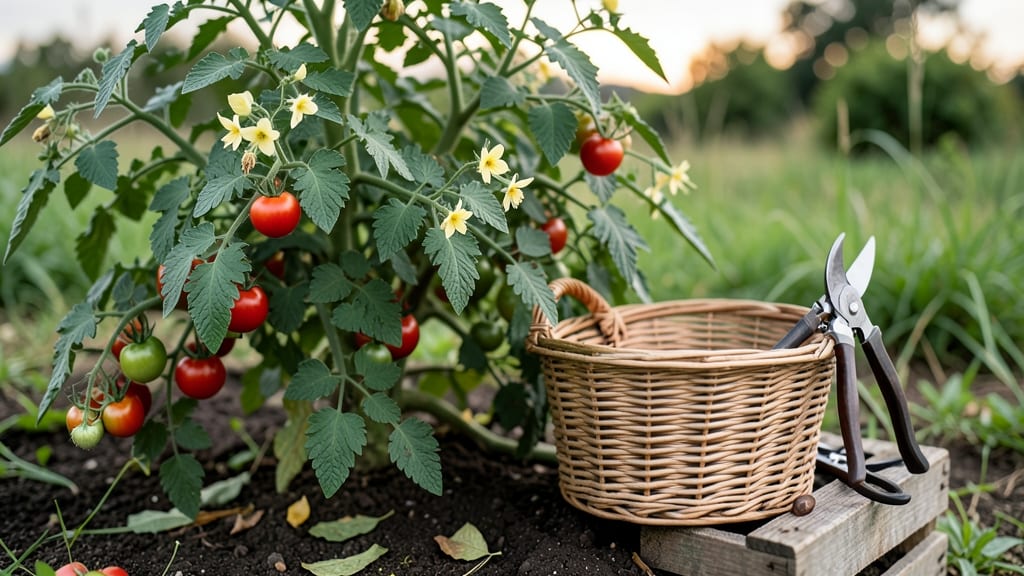
The art of tomato plant harvesting turns a decent yield into a flavor explosion—plump, sun-kissed fruits that taste nothing like the bland ones in stores. 🌱 I learned the hard way that timing is everything, and just a day too early or late can ruin all your hard work. once you master the timing, your kitchen table becomes a taste test of summer every bite.
The trick isn’t just color—it’s the subtle clues: a slight give when you gently squeeze, a deepened red or yellow hue, and that unmistakable sweetness when you take a tiny bite.
You’ll also need a sharp knife or pruners, a bowl for ripe fruit, and another for those that need more time on the vine. Most importantly, harvest early in the morning when the fruit is coolest and firmest.
What you’ll end up with is tomatoes that stay fresh for days on the counter, with flavors so rich they make summer feel endless. The first time you bite into one you harvested just right, you’ll never want to buy them again.
Plus, picking properly keeps the plant producing—no overripe messes or wasted effort.
This works for slicers, saucers, and cherry tomatoes alike, whether you’re growing in containers or a full garden. The secret is in the details—let’s get those flavors popping.
📚 In This Guide
- What you need
- Instructions
- Tips and common mistakes
- Wrapping up and next steps
What you need
- ● Sharp pruning shears or garden scissors – Choose a pair with bypass blades (not anvil-type) to avoid crushing stems. A 10-12 inch reach is ideal for most plants.
- ● Gloves – Opt for gardening gloves with cut-resistant palms to protect against thorns and rough stems.
- ● Harvest basket or bucket – A 10-15 gallon container with a handle for easy transport. Avoid plastic that can bruise tomatoes.
- ○ Sharp knife (optional for cutting) – A small, serrated utility knife (like a X-Acto or Fiskars brand) for tricky stems.
- ● Water spray bottle (500ml–1L) – Helps rinse off dirt and pests after harvesting.
- ● Sun hat or umbrella – Protects you from the sun while working outdoors.
- ● Harvesting apron with pockets – Keeps tools and tomatoes organized.
- ● Tomato sorting trays – Helps categorize tomatoes by ripeness or variety.
- ● Food-safe spray (like neem oil or diluted vinegar) – For post-harvest cleaning if pests are present.
- ● Camera or phone with timer – Capture the progress of your harvest for fun!
Step-by-step guide to harvesting tomatoes at perfect ripeness
Here's how to pick your tomatoes for maximum flavor, texture, and shelf life.
🍅 Step 1: Identify the Right Ripeness Stages
Tomatoes ripen in stages, and each has its own purpose. Green tomatoes are firm and acidic—great for cooking but not eating fresh. Breaker tomatoes show the first blush of color (usually pink or yellow) and can be harvested early if frost threatens. For peak flavor, wait for fully ripe tomatoes—deep red, yellow, or their variety's mature color—with a slightly soft feel when gently squeezed.
Watch for the stem to separate easily from the vine—that's your signal the tomato is ready. If it resists, it's not fully ripe yet. I always harvest in the morning when temperatures are cooler, which helps preserve the fruit's quality.
🌿 Step 2: Use the Proper Harvesting Technique
Never pull or twist tomatoes off the vine—this can damage the plant and leave unsightly scars on the fruit. Instead, use a sharp pair of pruning shears or scissors (cleaned with rubbing alcohol between cuts) to snip the stem about ¼ inch above the fruit. This prevents disease from entering the plant through the stem wound.
Hold the tomato gently but firmly in one hand while cutting with the other to avoid squishing it. Work quickly if harvesting multiple tomatoes—exposing them to air too long can cause bruising. I like to place harvested tomatoes in a single layer on a tray to prevent crushing while I finish the plant.
💧 Step 3: Handle Harvested Tomatoes with Care
Once picked, tomatoes continue to ripen off the vine, but they need proper conditions. Store them at room temperature (60-70°F) in a dry, shaded spot—never in the fridge until fully ripe. The ethylene gas they produce speeds up ripening, so group them with other fruit like bananas or apples to encourage color change if needed.
Check tomatoes daily for soft spots or overripeness. Overripe tomatoes (those with wrinkled skin or fermented smells) should be used immediately in recipes. If you have more tomatoes than you can use, blanch and freeze them whole or chop and freeze in bags for later use.
⏰ Step 4: Know When to Harvest for Different Uses
For fresh eating, harvest when fully ripe—they'll have the sweetest flavor and best texture. For sauces or canning, breaker-stage tomatoes work well, as their acidity helps preserve them. If frost is forecast within 5-7 days, harvest all remaining tomatoes, even unripe ones—they'll ripen indoors with a little patience and ethylene exposure.
I always save a few overripe tomatoes for homemade tomato sauce or salsa. Their concentrated flavor makes a world of difference. Keep a small bowl of these on your counter to use first—they'll be the first to spoil if left alone.
🌱 Step 5: Maintain the Plant After Harvesting
After harvesting, keep watering the plant regularly until the first frost. This encourages any remaining fruit to ripen and helps the plant store energy for next season. Once all fruit is harvested and the plant shows signs of decline (yellowing leaves, wilting), it's time to pull it. Compost the healthy parts—even diseased plants can be composted if you bury them deeply to kill pathogens.
Mark the spot where you grew tomatoes this year. Tomatoes are heavy feeders, so they'll need a fresh spot next season to avoid disease buildup in the soil. I always rotate my tomato locations to keep the soil healthy and productive.
Tips & tricks for perfect tomato harvesting
Harvesting tomatoes at the right moment transforms your garden bounty into restaurant-quality flavor. These simple tricks will help you avoid common mistakes and get the most out of your plants.
Morning Harvests Are Key: I always harvest in the morning when temperatures are coolest (ideally between 60-70°F). The fruit is firmer and less prone to bruising, plus the cooler temps help preserve freshness. If you must harvest later in the day, work quickly and store tomatoes in the shade until you can process them.
Stem Separation Test: The stem should separate easily from the vine when your tomato is ready—this is nature's perfect signal. If it resists, the tomato needs more time. I've learned the hard way that forcing tomatoes off the vine too early leads to mealy texture and poor flavor, no matter how ripe they look.
Ethylene Ripening Hack: Want to ripen tomatoes faster? Group them with other ethylene-producing fruits like bananas or apples in a paper bag. Check them daily—they'll ripen in 2-3 days instead of the usual week. This works especially well for breaker-stage tomatoes you harvested early to escape frost.
Freezing Overripe Tomatoes: Don't waste those wrinkled tomatoes! Blanch whole tomatoes in boiling water for 30 seconds, then shock in ice water. Peel, chop, and freeze in single layers on a tray before bagging. This preserves texture perfectly for future sauces or soups. I've saved hundreds of dollars by freezing my overripe tomatoes instead of tossing them.
Pro Tips for Tomato Plant Harvesting
- Harvesting tomatoes at the right moment transforms your garden bounty into restaurant-quality flavor.
- Morning Harvests Are Key: I always harvest in the morning when temperatures are coolest (ideally between 60-70°F).
- Stem Separation Test: The stem should separate easily from the vine when your tomato is ready—this is nature's perfect signal.
Frequently asked questions
Got questions about harvesting your tomato plants? You’re not alone! Here are answers to the most common concerns—from timing to troubleshooting—to help you pick perfect tomatoes every time.
When is the best time of day to harvest tomatoes?
Harvest tomatoes in the morning when temperatures are cooler (60–75°F). This preserves flavor, firmness, and reduces sunscald. Avoid picking during peak heat or after rain, as moisture can weaken stems and spread disease. Pro tip: Use clean pruners or scissors to avoid damaging the plant.
How do I know if a tomato is fully ripe?
Ripe tomatoes should be fully colored (red, yellow, or purple, depending on variety), slightly soft when gently squeezed, and easily detach from the vine with a slight twist. Unripe tomatoes (green or hard) won’t ripen well off the vine—wait or use them in cooking. Heirloom varieties often take longer to ripen than hybrids.
What should I do if my tomatoes ripen too fast or rot on the vine?
Overripe or rotting tomatoes are often caused by excess humidity, poor airflow, or fungal diseases (like blight). To prevent this:
- Prune plants for better circulation.
- Harvest early if forecast shows rain.
- Use mulch to keep soil dry.
- Pick tomatoes at the first sign of cracking or soft spots.
Can I harvest tomatoes before they’re fully red?
Yes! Green tomatoes can be harvested early (even unripe) for cooking, pickling, or frying. They’ll ripen further indoors if placed in a paper bag with a banana (ethylene gas speeds ripening). For heirloom varieties, some gardeners prefer the sweeter, less acidic flavor of fully ripe tomatoes—but green ones are still delicious in salsas or relish.
What’s the best way to store freshly harvested tomatoes?
Store tomatoes at room temperature (50–70°F) away from direct sunlight. Never refrigerate until fully ripe—the cold breaks down cell walls, turning them mealy. For long-term storage, freeze whole (unpeeled) or blend into sauce. Heirloom tomatoes ripen faster than hybrids, so harvest them promptly!
Wrapping up and next steps
Harvesting tomatoes at the right moment ensures bursting flavor, perfect texture, and maximum yield—so every bite (or sauce!) you enjoy is a reward for your patience. Whether you’re a seasoned gardener or just starting, remember: color, firmness, and gentle tugs are your best friends.
Now that you’re armed with the know-how, why not plan your next harvest? Try experimenting with different varieties or techniques—your taste buds (and future recipes!) will thank you. 🌱✨