
Companion Plants
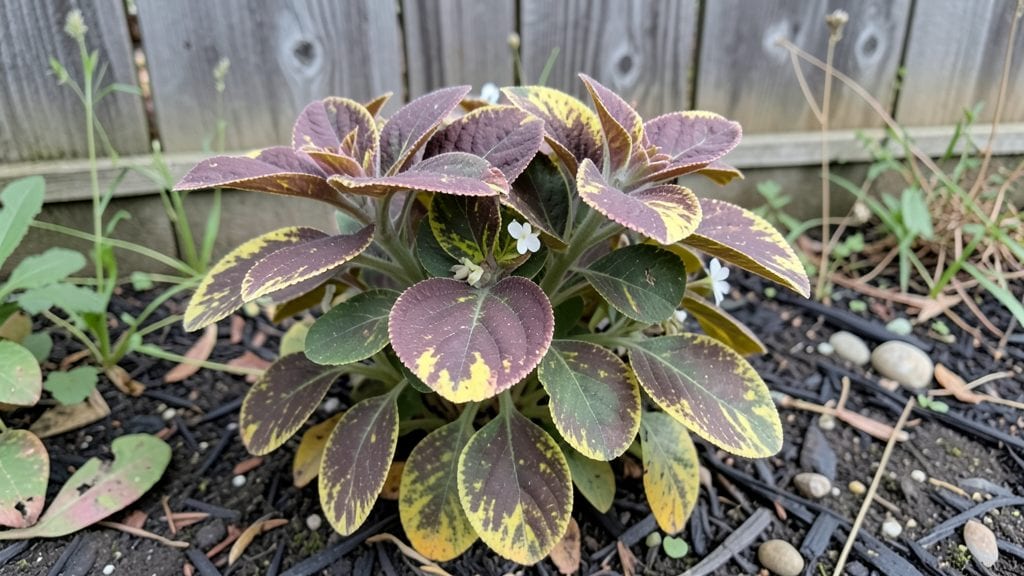
Growing large coleus plants transforms shady spots into vibrant foliage displays. 🌿 I’ve turned my dim corner into a jungle of deep purple, neon pink, and chartreuse leaves—no fancy light required.
The trick lies in choosing fast-growing varieties like ‘Black Dragon’ or ‘Wendy’s Wish’ and giving them the right care from day one.
You’ll need rich, well-draining soil mixed with compost, consistent moisture (but never soggy), and occasional pruning to encourage bushier growth. Most people overlook humidity—coleus love it—so a light misting or pebble tray works wonders in dry climates.
With the right setup, you’ll see those bold leaves reaching 12–18 inches within just a few months.
Leggy growth? It’s usually a sign of too little light or overcrowding. Simply trim back the tall stems and propagate the cuttings in water—you’ll have fresh, compact plants in weeks.
The payoff is worth it: lush foliage that thrives where other plants struggle, and a garden corner that feels like a tropical oasis.
Works for containers, hanging baskets, or ground beds—just adjust spacing based on your variety. Once you master the basics, you’ll be swapping cuttings with neighbors and wondering why you didn’t start sooner.
📚 In This Guide
- What you need
- Instructions
- Tips and common mistakes
- Wrapping up and next steps
What you need
- ● Coleus plants: 3–5 mature coleus plants (6–12 inches tall) or 10+ seeds (if starting from scratch)
- ● Pro tip: 💡 Choose varieties like ‘Black Dragon’ or ‘Wicked Witch’ for bold, large foliage!
- ● Potting mix: 10–15 gallons of well-draining, peat-based potting soil (or a 50/50 blend of potting soil and perlite for better aeration)
- ● Containers or garden bed: For containers: 5–7 gallon pots (one per plant) with drainage holes
- ● For in-ground planting: A partially shaded spot with loose, fertile soil (amend with compost if needed)
- ● Fertilizer: Balanced liquid fertilizer (10-10-10 or 20-20-20, diluted to half-strength)
- ● Basic tools: Trowel or small shovel
- ● Pruning shears (for trimming and propagation)
- ● Watering can or hose with a gentle spray nozzle
- ○ Optional (but helpful!): Mulch (2–3 inches of shredded bark or pine needles to retain moisture)
- ● Slow-release fertilizer tablets or spikes (for convenience)
- ● Garden gloves (to protect hands from sap)
- ● Support stakes (if growing tall varieties like ‘Rainbow Collection’)
Step-by-Step guide to growing large, lush coleus plants
Here's how I coax dramatic, oversized coleus leaves—no fancy tricks, just smart care.
🌱 Step 1: Select and Prepare Healthy Starting Plants
Start with 4 healthy coleus plants (or cuttings) featuring bold foliage patterns. I always choose varieties with thick stems and vibrant colors—these grow largest. If using cuttings, root them first in water for 7-10 days until roots reach 1-2 inches long. Avoid plants with yellow leaves or leggy stems; these struggle to bulk up.
Before planting, trim each stem back by one-third to encourage bushier growth. Use clean, sharp scissors to make cuts just above a leaf node. This pruning shock might look harsh at first, but it triggers multiple side shoots that create that sought-after lushness.
🪴 Step 2: Choose the Right Containers and Soil Mix
Use 12-inch diameter containers with drainage holes—coleus roots hate soggy feet. I prefer terra cotta pots because they wick away excess moisture through the walls. Fill each container with a mix of 50% potting soil and 50% peat moss for excellent drainage while retaining moisture.
Gently loosen the soil mix with your fingers before planting. The goal is fluffy, airy soil that lets roots spread easily. Press the mix around the base of each plant to eliminate air pockets, but don't compact it—coleus roots need room to grow outward for those large leaves.
☀️ Step 3: Position for Partial Shade and Consistent Moisture
Place your coleus in bright, indirect light—think dappled shade under trees or a north-facing window. Direct sun will scorch those gorgeous leaves, while too little light makes them small and pale. I rotate my pots quarter-turn weekly so all sides get even light exposure.
Water when the top inch of soil feels dry. Stick your finger in the soil—if it's damp just below the surface, wait another day. Coleus plants drink 1-2 cups of water per container every 2-3 days in summer, but less in cooler months. Always water at the base to keep leaves dry and prevent fungal issues.
✂️ Step 4: Prune and Fertilize for Maximum Growth
Pinch back the tips of new growth every 4-6 weeks to encourage bushier plants. This simple step prevents leggy stems and produces those dramatic, large leaves you're after. I also remove any yellow or damaged leaves immediately—they sap energy from the plant.
Feed your coleus with a balanced liquid fertilizer (10-10-10) every 4 weeks during the growing season. Dilute it to half-strength to avoid burning those tender roots. You'll notice the leaves growing larger and more vibrant within just a few feedings.
🌿 Step 5: Maintain Size Through Seasonal Care
In summer, when growth is most vigorous, I add a 2-inch layer of mulch around each plant to retain moisture and keep roots cool. This simple step makes a huge difference in leaf size during hot weather. In fall, reduce watering gradually as temperatures drop—coleus goes semi-dormant but stays evergreen in mild climates.
Watch for spider mites on the undersides of leaves—these tiny pests thrive in dry conditions. If you spot webbing, spray both sides of leaves with water or use an insecticidal soap. Healthy coleus plants grow 12-18 inches tall with leaves 6-8 inches wide when given proper care—making them perfect shade garden stars.
Tips & tricks for growing dramatic coleus foliage
Here's what I've learned after growing these bold beauties for years—small details that make all the difference in leaf size and vibrancy.
Starting Strong: When rooting cuttings in Step 1, place the jar in bright, indirect light—not direct sun. I use a grow light on low setting for 12 hours daily if natural light is weak. The roots need gentle encouragement to reach that 1-2 inch length without burning. Change the water every 3 days to prevent bacterial growth, which can stunt root development.
Soil Science: The 50/50 potting soil to peat moss mix in Step 2 is key for those massive leaves. I add a handful of perlite to improve aeration—this prevents that dreaded "soggy bottom" look. Before planting, I also sprinkle a tablespoon of worm castings at the bottom of each container for extra nutrients. The roots will thank you with faster, healthier growth.
Light Rotation Secret: That quarter-turn weekly rotation in Step 3 isn't just about even growth—it's about preventing the plant from leaning toward the light source. I use a small piece of tape on the pot rim to mark the starting position. After a few months, you'll notice the stems grow straighter and leaves develop more evenly on all sides, creating that perfect, lush appearance.
Pruning Payoff: When you pinch back those tips every 4-6 weeks in Step 4, make sure to cut just above a leaf node where new growth emerges. I use my fingernail to gently feel for the node—it's that little bump where leaves attach. This technique triggers 3-4 new side shoots per cut, which is how you get those bushy, leafy monsters we all want. Don't be afraid to get your hands dirty!
Pro Tips for Large Coleus Plants
- Here's what I've learned after growing these bold beauties for years—small details that make all the difference in leaf size and vibrancy.
- Starting Strong: When rooting cuttings in Step 1, place the jar in bright, indirect light—not direct sun.
- Soil Science: The 50/50 potting soil to peat moss mix in Step 2 is key for those massive leaves.
Frequently asked questions
Got questions about growing large, show-stopping coleus plants?
You’re not alone—these vibrant beauties are full of surprises! Whether you’re a shade-garden newbie or a seasoned pro, here are the answers to the most common queries.
How fast do large coleus plants grow?
Large coleus varieties typically grow 6–18 inches tall and wide in one growing season, depending on light and care. With warm temps (60–80°F) and consistent moisture, you’ll see rapid growth—expect noticeable expansion in just 4–6 weeks from transplanting. Pinch back leggy stems early to encourage bushier, fuller growth!
Can coleus survive in deep shade?
Coleus is a shade-loving superstar and thrives in partial to full shade (2–6 hours of indirect light daily). In deep shade, growth may slow, but the foliage stays vibrant if you fertilize lightly every 4–6 weeks with a balanced liquid fertilizer. Avoid direct midday sun—it scorches their delicate leaves.
When should I prune large coleus for bushier growth?
Prune coleus early in the season (spring to early summer) to encourage branching. Simply snip off the top 2–3 inches of leggy stems just above a leaf node. For a fuller, more compact plant, repeat pruning every 4–6 weeks or when stems get too long. Deadhead spent flowers too—they sap energy from your foliage!
What’s the best way to propagate large coleus plants?
Propagating coleus is easy and rewarding! Snip a 4–6 inch stem cutting just below a leaf node, remove the lower leaves, and dip the cut end in rooting hormone (optional). Plant in moist potting mix, cover with a plastic bag to retain humidity, and place in bright, indirect light. Roots form in 2–4 weeks—then transplant!
Why are my large coleus leaves turning yellow or brown?
Yellowing leaves often signal overwatering or poor drainage, while brown edges mean underwatering or low humidity. Check soil moisture—coleus prefers consistently moist (not soggy) soil. Brown spots with yellow halos? Fungal issues (like powdery mildew) may be at play. Improve airflow, avoid wetting foliage, and treat with neem oil if needed.
Can coleus survive winter outdoors?
Most coleus are tender perennials and die back in frost. In cold climates (below 30°F), dig up potted plants or mulch heavily to protect roots. Overwinter indoors near a bright window or grow lights. In milder zones (Zone 10+), coleus may persist year-round with consistent moisture and shade.
Wrapping up and next steps
Growing large coleus plants is a rewarding way to add vibrant color and texture to your shade garden—no sunshine required! 🌿 With the right soil, consistent moisture, and a little patience, these bold foliage stars will flourish and become the centerpiece of your outdoor space.
Whether you're a seasoned gardener or just starting out, their low-maintenance charm makes them a perfect choice.
Ready to take the next step? Experiment with different varieties, try container gardening, or even share cuttings with fellow plant lovers. Your shade garden will thank you—and so will your eyes! 🌈