
Companion Plants
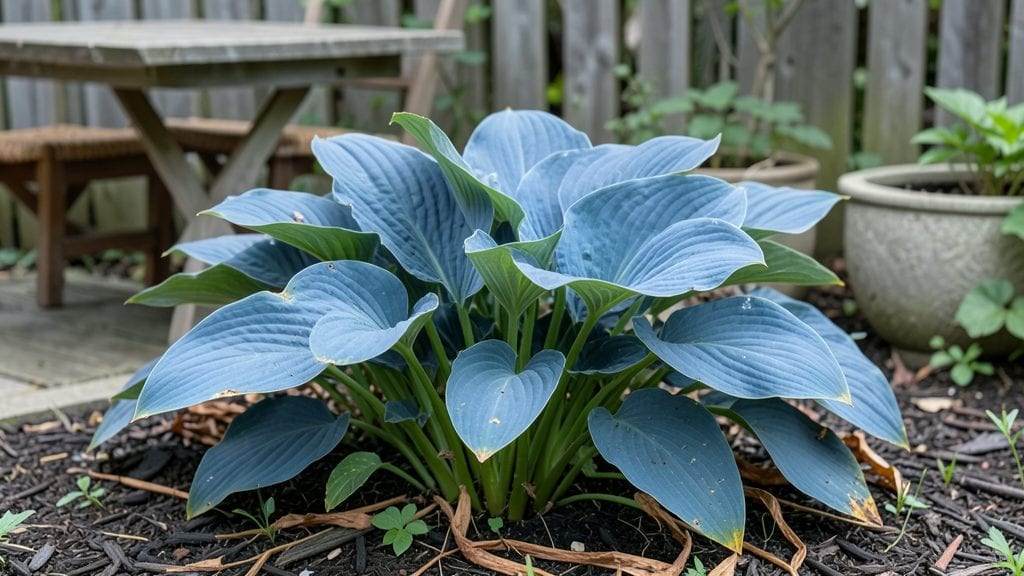
Shady patio plants transform forgotten corners into vibrant retreats. 🌿 I used to think low-light spaces were a gardening dead zone—until I discovered plants that not only survive but thrive in dappled shade and deep shadows.
The key is choosing the right varieties that love what others avoid: filtered sunlight, cooler temperatures, and occasional dry spells.
My go-to lineup includes heuchera with its jewel-toned leaves, fuchsia for cascading blooms, and hostas for lush foliage that stays green all season. These plants handle fluctuating moisture and don’t demand constant attention—perfect for busy gardeners.
The secret lies in pairing moisture-retentive soil with containers that wick away excess water, keeping roots happy without the fuss.
You’ll end up with a patio that feels alive year-round, even when sunlight is scarce. The textures—velvety hosta leaves, delicate fuchsia petals, and the glossy sheen of heuchera—create depth that turns a simple space into a serene escape.
Plus, these plants attract pollinators and repel pests naturally, making them low-maintenance workhorses.
Works for any shaded patio, balcony, or courtyard—even north-facing spaces. The right plant choices turn limitations into opportunities, and before you know it, your shady spot becomes the garden’s star attraction. Here’s how to make it happen without the guesswork.
📚 In This Guide
- What you need
- Instructions
- Tips and common mistakes
- Wrapping up and next steps
What you need
- ● Potted plants: 3–5 shade-tolerant varieties (e.g., ferns, hostas, impatiens, or calatheas). Choose containers with drainage holes!
- ● High-quality potting mix: 1–2 bags (look for "moisture-retentive" blends for shade plants).
- ● Containers: 1–2 hanging baskets (for trailing plants like Pothos or English Ivy).
- ● 3–5 pots (8–12" diameter for medium plants, 5–7" for smaller varieties).
- ● Drainage materials: Small pebbles or broken pottery shards (1–2 handfuls per pot).
- ● Fertilizer: Slow-release granules (e.g., Osmocote) or liquid fertilizer for shade plants (follow package rates).
- ● Mulch: Organic mulch (e.g., bark chips or shredded leaves) to retain moisture.
- ● Self-watering planters: For busy plant parents—great for fussy shade lovers like Calatheas.
- ● Grow lights: LED clip-on lights (for extra low-light spots).
- ● Decorative accents: Solar-powered garden stakes, pebbles, or mosaic pots for a polished look.
- ● Plant labels: Waterproof markers to track varieties (trust us, you’ll forget!).
- ● Location scout: Identify your patio’s light levels (dappled sun vs. deep shade).
- ● Drainage check: Ensure containers won’t sit in standing water.
- ● Weather prep: If your patio gets chilly, pick cold-hardy plants (e.g., Heuchera or Hosta).
Step-by-step guide to designing a thriving shady patio garden
Here's how to transform dim corners into vibrant, low-maintenance green spaces.
🌱 Step 1: Select the Right Plant Palette for Your Light Conditions
First, assess your shade type—dappled (filtered sun), partial (3-6 hours sun), or full (no direct light). For full shade, choose plants like hostas (with their bold foliage), heucheras (for striking colors), and ferns (like maidenhair or Japanese painted). These thrive where others wilt. In partial shade, astilbes and bleeding hearts add delicate texture while tolerating morning sun.
I always group plants by their shade tolerance to avoid competition. For example, pair hostas with sweet woodruff—both love deep shade and complement each other’s growth habits. Avoid sun-lovers like coleus or impatiens in full shade; they’ll stretch and disappoint. Check plant tags for light requirements—this ensures you won’t waste time or money on mismatched selections.
🪴 Step 2: Prepare Containers and Soil for Optimal Drainage
Use 10-12 inch pots (or larger for shrubs) with multiple drainage holes—shady plants rot faster when soggy. I line the bottom with 1 inch of gravel or orchid bark to prevent clogging. Fill pots with a mix of 50% premium potting soil and 50% perlite or orchid bark for aeration. This blend prevents compaction, which suffocates roots in low-light conditions.
Pre-moisten the mix until it’s damp like a wrung-out sponge—neither bone-dry nor puddled. Shady plants often need more frequent watering because less sunlight slows evaporation. Test moisture by sticking your finger 1 inch deep; if it feels dry, water until it drains freely from the bottom. Overwatering here leads to root rot, which is silent until it’s too late.
☀️ Step 3: Plant with Layered Depth for Visual Impact
Start with taller plants (like astilbes or carex grasses) at the back of containers or the center of garden beds. These create a natural focal point. Add medium-height foliage (such as heucheras or lamiums) around them, then fill gaps with trailing plants like sweet potato vine or ivy to spill over edges. This creates depth and movement, making small spaces feel lush.
Space plants based on their mature size—12-18 inches apart for most perennials, but closer (8-12 inches) for ground covers like ajuga or liriope. Press soil gently around roots to eliminate air pockets, then water deeply to settle everything. Mulch with 1-2 inches of shredded bark to retain moisture and suppress weeds. Avoid thick mulch layers; they smother roots in containers.
💧 Step 4: Adjust Watering and Fertilizing for Shade-Loving Plants
Water every 2-3 days in summer, checking soil 1 inch deep—shady soil stays moist longer but can dry out faster on hot days. Use a spray nozzle to avoid disturbing delicate foliage, like hosta leaves or fern fronds. Fertilize lightly with a balanced 10-10-10 formula every 4-6 weeks during growing season. Shady plants grow slower, so less is more—overfeeding leads to leggy, weak stems.
Watch for yellowing leaves, a sign of overwatering or nutrient burn. If edges brown, it’s usually underwatering or low humidity. Group containers to create a microclimate—this helps retain moisture and mimics the damp conditions many shade plants prefer. In winter, reduce watering to once every 7-10 days unless pots dry out completely.
✂️ Step 5: Prune and Maintain for Year-Round Interest
Deadhead spent blooms (like on astilbes or heucheras) to encourage new growth, but avoid pruning evergreen foliage until early spring. Cut back woody stems by ⅓ in late winter to shape plants and remove dead growth. For ferns, trim brown fronds at the base as they appear—this keeps plants tidy without stressing them.
Divide crowded perennials (like hostas or heucheras) every 3-4 years in early spring. This rejuvenates growth and prevents disease. Add a slow-release fertilizer in spring to support new shoots. Shady patios stay green year-round with minimal effort—just remove debris in fall and protect tender plants from frost if needed. With these steps, your patio will stay vibrant even when the sun hides.
Tips & tricks for perfect shady patio gardens
A few strategic moves can transform your dim patio into a thriving oasis—here's what I've learned from years of trial and error.
Light Assessment is Everything: Don't guess your shade type! Use a simple test: place a white plate where you want to plant and observe it over a week. If it gets 3-6 hours of sun, you have partial shade. If it's completely dark, it's full shade. This precision prevents costly plant mismatches. I've seen people buy sun-loving plants for full shade spots and wonder why they struggle—always check first.
Soil Science Matters More Than You Think: That 50/50 mix of premium potting soil and perlite/orchid bark isn't just about drainage—it's about creating the perfect air-to-water ratio for shade plants. I've noticed hostas and heucheras develop root rot when planted in regular garden soil because it compacts too easily. The perlite creates tiny air pockets that prevent suffocation, while the potting soil provides nutrients. Pro tip: Add a handful of worm castings to that mix for an extra nutrient boost without overfeeding.
Layering Creates Illusion of Space: The 12-18 inch spacing for perennials isn't arbitrary—it's about creating visual depth. Start with your tallest plants (like astilbes) at the back, then add medium-height foliage (heucheras), and fill gaps with trailing plants. This technique makes small patios feel expansive. I've transformed 4x4 foot spaces into lush gardens by using this method. For containers, place taller plants in the center and let trailing varieties spill over edges to create movement.
Watering Wisdom Prevents Common Mistakes: The 1 inch deep moisture check is your best friend—it's the only reliable way to determine when shade plants need water. I've learned that yellowing leaves often mean overwatering, while brown edges signal underwatering. Grouping containers creates a microclimate that retains moisture longer, and using a spray nozzle prevents damaging delicate foliage like fern fronds. In winter, I reduce watering to every 7-10 days unless pots feel completely dry—shady plants enter dormancy naturally.
Pro Tips for Shady Patio Plants
- A few strategic moves can transform your dim patio into a thriving oasis—here's what I've learned from years of trial and error.
- Light Assessment is Everything: Don't guess your shade type!
- Soil Science Matters More Than You Think: That 50/50 mix of premium potting soil and perlite/orchid bark isn't just about drainage—it's about creating the perfect air-to-water ratio for shade plants.
Frequently asked questions
Got questions about keeping your shady patio vibrant?
Here are answers to the most common concerns—so you can enjoy lush greenery without the guesswork!
What are the best fast-growing shady patio plants for quick results?
If you want fast foliage, opt for Philodendron hederaceum (heartleaf philodendron) or Pothos—both grow quickly in low light and add instant texture. For ground cover, Sweet Woodruff or Liriope spread rapidly while staying shade-tolerant. Just ensure they’re planted in well-draining soil!
How do I know if my shady patio plants are getting enough water?
Check soil moisture by sticking your finger 1-2 inches deep—if it’s dry, water thoroughly. Shady plants often need less water than sun-lovers, but overwatering is the #1 killer! Use pots with drainage holes and water in the morning to prevent fungal issues. Wilting leaves or yellowing? That’s your cue to adjust!
Can I grow edible plants in a shady patio, or is it all ornamental?
Try lettuce, spinach, or kale for leafy greens, and strawberries (with extra shade cloth if needed). Herbs like mint or cilantro also thrive in partial shade. Just avoid heavy feeders like tomatoes—they’ll stretch and disappoint.
What’s the best way to protect shady patio plants in winter?
Most tropical or tender plants need winter care! Move potted plants to a sheltered spot or wrap them in burlap. For ground covers, mulch heavily (3-4 inches) to insulate roots. Evergreens like Hosta or Fern are hardy but may benefit from a light frost cloth on harsh nights.
My shady patio plants look sad—what’s the most likely fix?
Yellow leaves? Overwatering or poor drainage are likely culprits. Brown edges? Underwatering or low humidity. Try these fixes:
- Repot if roots are crowded ()
- Trim dead leaves to redirect energy ()
- Fertilize lightly with a balanced, slow-release formula ()
Wrapping up and next steps
Transforming your shady patio into a vibrant oasis is easier than you think! With the right shady patio plants, you can enjoy lush greenery and even blooms without direct sunlight.
From hostas and ferns to heucheras and astilbes, these low-light champions bring life and color to even the dimmest corners of your outdoor space.
Ready to take the next step? Start small—pick one or two plants to test your space, then expand as you gain confidence. Happy gardening! 🌿✨