Plants
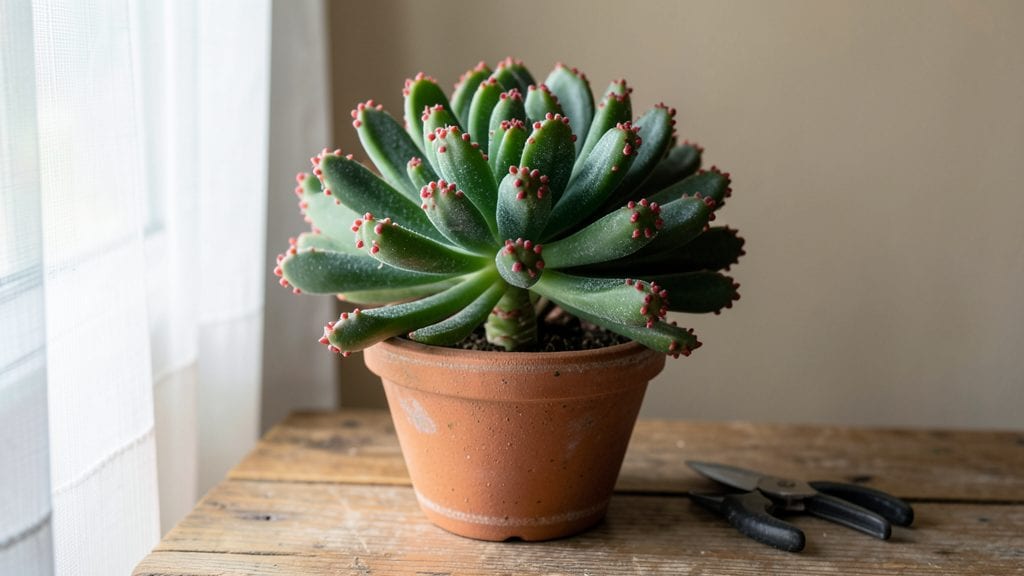
The Kong Red plant’s striking foliage turns any room into a statement piece—especially when you master its low-light needs. 🌿 I’ve grown this variety for years, and the secret to keeping its bold red stems vibrant lies in balancing moisture, light, and the right soil mix.
Most people overwater or place it in drafty spots, which is why so many end up with crispy brown tips.
This plant thrives in bright, indirect light but tolerates low-light conditions better than most—perfect for offices or north-facing windows. Use a well-draining potting mix (like a 50/50 blend of peat and perlite) and a container with drainage holes to prevent root rot.
Water only when the top inch of soil feels dry, and avoid letting it sit in saucers of water.
With the right care, your Kong Red will grow 3-4 feet tall in a year, producing those signature red canes and lush green leaves. Prune leggy stems in spring to encourage bushier growth, and fertilize lightly every 6-8 weeks during active growth.
The payoff? A plant that looks expensive but costs pennies to maintain.
Whether you’re styling it in a sleek modern pot or gifting it to a plant parent, this variety’s drama is unmatched. Here’s how to keep it thriving—no green thumb required.
📚 In This Guide
- What you need
- Instructions
- Tips and common mistakes
- Wrapping up and next steps
What you need
- ● Kong Red Plant: A healthy cutting (4–6 inches long) or a young plant with vibrant red foliage. Pro tip: Choose cuttings with at least 2–3 leaf nodes for best rooting success!
- ● Well-draining potting mix: 1–2 gallons of a lightweight, airy blend (e.g., 50% peat moss or coconut coir + 30% perlite + 20% orchid bark). Skip the heavy garden soil—root rot is a no-go!
- ● 6-inch pots (or larger): 2–3 pots with drainage holes. Terra cotta is ideal for preventing moisture buildup.
- ○ Rooting hormone (optional but helpful): A small tube of powder or gel (e.g., Clonex or Hormex).
- ● Watering can or spray bottle: For gentle hydration. Avoid soggy soil!
- ● Humidity dome or plastic bag: To create a cozy, humid environment for rooting (if propagating).
- ● Pruning shears or sharp scissors: Sterilized to prevent disease. ✂️ Snip just below a leaf node at a 45° angle!
- ○ Gloves (optional): The Kong Red’s sap can be mildly irritating to sensitive skin.
- ● Bright, indirect light: A north- or east-facing window or a grow light (12–14 hours/day). 🌿 Direct sun = sad leaves!
- ● Room-temperature water: For watering (chlorine-free if possible).
- ● Patience (and a green thumb!): Rooting can take 4–8 weeks—keep an eye on your cutting!
- ● Slow-release fertilizer: A balanced 20-20-20 or fish emulsion to boost growth after rooting.
- ● Peat pellets or sphagnum moss: For a sterile, moisture-retentive rooting medium.
- ● Heating mat (for propagation): Keeps cuttings warm (70–75°F) to speed up rooting.
- ● Decorative pot or cachepot: Once established, upgrade to a stylish 10–12-inch pot for that showstopping foliage!
Step-by-Step instructions for growing Kong Red plant
This striking shade-lover thrives with minimal fuss—just follow these precise steps.
🌱 Step 1: Select the Right Spot and Prepare the Soil
The Kong Red plant (Persicaria polymorpha) loves partial to full shade, making it perfect for under trees or north-facing windows. Choose a location with dappled sunlight—direct afternoon sun will scorch its vibrant foliage. I always test the spot first by placing a white board where the plant will go; if it stays cool to the touch for most of the day, it's ideal.
Amend the soil with 2-3 inches of compost mixed into the top 6 inches of native soil. Kong Red tolerates poor soil but grows more vigorously with organic matter. If your soil drains poorly, add 10% perlite to improve aeration. Press the amended soil lightly—you want it firm enough to support upright growth but loose enough for roots to spread easily.
🪴 Step 2: Plant with Proper Spacing and Watering
Space plants 12-18 inches apart in rows 18 inches apart to allow airflow and prevent fungal issues. Dig holes twice as wide as the root ball but no deeper—setting plants too low invites rot. Gently tease the roots if they're circling and place the plant so the top of the root ball sits level with the surrounding soil. This ensures the stem doesn't rot from sitting too low.
Water deeply immediately after planting—about 1 gallon per plant—to settle the soil and eliminate air pockets. Then, water every 2-3 days until new growth appears. You'll know moisture is right when the soil feels damp 2 inches down but not soggy. Mulch with 2 inches of shredded bark to retain moisture and suppress weeds, but keep mulch 2 inches away from the stem to prevent rot.
☀️ Step 3: Maintain Shade and Fertilize Lightly
Kong Red plants handle shade beautifully but still need bright, indirect light to maintain their deep red foliage. If leaves lose color, move the plant to a slightly sunnier spot—just 2-3 hours of morning sun can make a difference. I've found that east-facing windows strike the perfect balance for container-grown plants.
Feed with a balanced, slow-release fertilizer (10-10-10) once in early spring and again after flowering. Use half the recommended dose—Kong Red plants are sensitive to over-fertilization, which causes weak stems and pale leaves. Water 1 hour before fertilizing to prevent root burn, and always apply fertilizer to moist (not dry) soil.
✂️ Step 4: Prune for Bushier Growth and Prevent Spread
Pinch back the tips of new growth when stems reach 6 inches tall to encourage bushier, more compact plants. This also redirects energy into vibrant foliage rather than leggy stems. I use clean, sharp scissors to make cuts just above a leaf node—never leave stubs, as they invite disease.
Kong Red spreads aggressively, so cut back seed heads before they mature to prevent unwanted self-seeding. If the plant spreads beyond your desired area, dig up and divide clumps in early spring using a sharp spade. Replant divisions immediately in prepared soil to minimize transplant shock. Divide every 2-3 years to maintain vigor.
💧 Step 5: Overwinter with Protection
Kong Red is hardy to USDA Zone 5, but young plants or those in colder microclimates need winter protection. Once temperatures drop below 25°F, cover plants with 4-6 inches of mulch (straw or shredded leaves work best). For container-grown plants, move pots to a garage or unheated shed and wrap them in burlap to insulate roots.
Reduce watering in fall—plants enter dormancy when nights stay below 40°F. Water every 7-10 days until the ground freezes, then let the soil dry out completely. In early spring, resume watering when soil temperatures reach 50°F, and remove winter mulch to allow new growth to emerge.
Tips & tricks for perfect Kong Red plant growth
These precise strategies will help you cultivate Kong Red plants that burst with vibrant color and thrive in shade—without the guesswork.
Soil Preparation Secret: When amending soil in Step 1, don't just add compost—work it into the top 6 inches of native soil to create a nutrient-rich zone where roots can spread. I've found that mixing in 10% perlite for poor-draining soil makes all the difference. The key is pressing the amended soil lightly: firm enough to support upright growth but loose enough to prevent compaction.
Watering Wisdom: The "damp 2 inches down" test in Step 2 is critical—stick your finger into the soil after watering to check moisture levels. If it feels dry, water again; if it's soggy, wait a day. I've learned the hard way that Kong Red plants hate soggy roots, which leads to rot. Mulching with 2 inches of shredded bark helps maintain even moisture without smothering the stems.
Pruning Precision: Timing matters when pinching back growth in Step 4—wait until stems reach exactly 6 inches tall before cutting. Use clean, sharp scissors and make cuts just above a leaf node to encourage bushier growth. I always sterilize my tools with rubbing alcohol between cuts to prevent disease transmission, especially when working with multiple plants.
Fertilizer Strategy: The half-dose recommendation in Step 3 is non-negotiable—Kong Red plants are sensitive to over-fertilization. I've seen weak stems and pale leaves develop when gardeners use full strength. Always water 1 hour before fertilizing to prevent root burn, and apply to moist soil to ensure even distribution. For container plants, I reduce the dose by half again since nutrients concentrate more quickly in pots.
Pro Tips for Kong Red Plant
- These precise strategies will help you cultivate Kong Red plants that burst with vibrant color and thrive in shade—without the guesswork.
- Soil Preparation Secret: When amending soil in Step 1, don't just add compost—work it into the top 6 inches of native soil to create a nutrient-rich zone where roots can spread.
- Watering Wisdom: The "damp 2 inches down" test in Step 2 is critical—stick your finger into the soil after watering to check moisture levels.
Frequently asked questions
How much light does Kong Red need to survive?
The Kong Red plant thrives in bright, indirect light but can tolerate low-light conditions—making it perfect for shaded spots. Avoid direct sunlight, which can scorch its deep red leaves. A north-facing window or a few feet from an east/west window is ideal. If leaves fade, it’s a sign it needs more light!
How fast does Kong Red grow, and when will it reach maturity?
This plant grows at a moderate pace, adding 2–4 inches per year under ideal conditions. It typically reaches maturity (full foliage vibrancy) in 1–2 years, though it continues growing slowly afterward. Patience pays off—its rich red hues deepen as it matures!
What’s the best watering schedule for Kong Red?
Let the top 1–2 inches of soil dry out between waterings to prevent root rot. Water thoroughly until it drains from the bottom, then empty the saucer. Overwatering is the #1 killer—stick to every 7–10 days (adjust for humidity/climate). Yellowing leaves? You’re likely overdoing it!
Can I grow Kong Red in water instead of soil?
Yes! Kong Red adapts well to hydroponics or water propagation. Simply place a stem cutting in water with a few inches submerged, and roots will sprout in 2–4 weeks. Change the water weekly to prevent algae. Once rooted, transfer to soil or keep it aquatic—just ensure it gets enough light!
What pests should I watch for, and how do I treat them?
Spider mites and mealybugs are the usual culprits. Wipe leaves with neem oil or a damp cloth for mild infestations. For stubborn pests, isolate the plant and spray with insecticidal soap. Yellow sticky traps can also catch early signs. Keep humidity moderate (40–60%) to deter pests naturally.
Is Kong Red cold-hardy, or do I need to bring it indoors?
This tropical beauty struggles below 50°F (10°C). If temperatures dip, move it indoors or to a sheltered spot. Avoid drafts or sudden temperature swings. A heat mat can help in winter if you’re keeping it outside in a mild climate—but most growers opt for indoor care during colder months.
Wrapping up and next steps
The Kong Red plant is a stunning, low-maintenance gem that brings bold color and texture to shady spots—proving you don’t need sun to grow something spectacular! 🌿 With the right soil, humidity, and patience, this tropical beauty will reward you with vibrant foliage year after year.
Whether you’re a seasoned gardener or just starting, its resilience makes it a perfect choice for adding drama to your space.
Ready to level up your indoor or outdoor garden? Grab your supplies, follow the steps, and watch your Kong Red thrive! Next, try propagating a cutting or experimenting with companion plants to create an even more lush display.