Picking
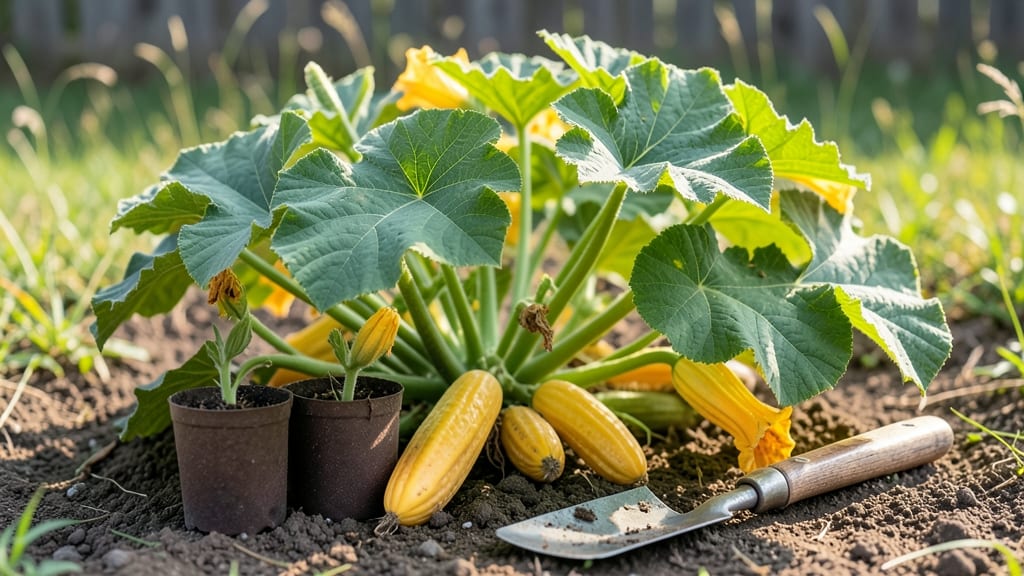
Planting honeynut squash requires 36-48 inches between plants and full sun (6-8 hours daily) to maximize vines and fruit. Sow seeds 1 inch deep in soil at 65°F or warmer, using well-draining, compost-rich earth with a pH of 6.0-6.8.
Honeynut squash grows best when given plenty of elbow room—those sprawling vines need space to stretch out and produce heavy fruit without competing with neighbors. 🌱 Proper sunlight triggers photosynthesis, which directly impacts both vine strength and fruit sweetness.
I’ve found that amending soil with compost not only improves drainage but also encourages robust root systems, which translates to healthier plants overall. The key is balancing these factors: too little space leads to crowded, disease-prone plants, while insufficient sunlight results in weak growth and poor yields.
For best results, plant after your last frost date when soil temperatures consistently stay above 65°F. This warm soil helps seeds germinate quickly and reduces the risk of rot.
A pH between 6.0-6.8 ensures the plants can absorb essential nutrients efficiently, setting them up for strong, productive growth throughout the season.
💡 In This Article
- Honeynut Squash Growth Requirements for Healthy Yields
- Step-by-Step Honeynut Squash Planting Guide
Honeynut squash growth requirements for healthy yields
Here's what's actually happening when you give honeynut squash its ideal 36-48 inches of spacing: those sprawling vines need room to develop their massive leaf canopies, which can spread 10-15 feet in diameter. This spacing prevents a phenomenon called "shading competition," where plants block each other's access to sunlight.
Without proper airflow, humidity builds up between leaves, creating perfect conditions for fungal diseases like powdery mildew or downy mildew—common problems in crowded squash patches. 🌿 The science is simple: better air circulation equals faster drying of dew and reduced fungal spores.
The 6-8 hours of full sun requirement isn't just about light—it's about photosynthesis efficiency. Honeynut squash plants convert sunlight into energy through chlorophyll, but they also need 12-14 hours of daylight during peak summer to develop the energy reserves needed for fruit production.
Each hour of sunlight beyond 6 hours increases the plant's ability to produce 20-30% more sugar in the fruit, which translates directly to sweeter, more flavorful honeynuts. Partial shade can reduce yields by up to 40%, as the plants allocate energy to leaf growth rather than fruit development.
When it comes to soil, the pH of 6.0-6.8 is crucial because honeynut squash roots thrive in slightly acidic to neutral conditions. At this pH range, essential nutrients like nitrogen, phosphorus, and potassium become more available.
The roots also benefit from well-draining soil because squash plants are particularly susceptible to root rot in waterlogged conditions.
Compost-rich soil provides both organic matter for moisture retention and microbial activity that breaks down nutrients into forms the plants can absorb—think of it as a natural fertilizer factory working underground. 🌱
What most people don't realize is how these factors interact: proper spacing reduces disease pressure, which means the plant can focus its energy on fruit development rather than fighting pathogens. Similarly, optimal sunlight and soil conditions work together to maximize photosynthesis rates.
For example, a plant with 48 inches of spacing in full sun with well-amended soil can produce 3-5 pounds of fruit per plant, while one with 24 inches of spacing in partial shade might yield only 1-2 pounds.
The difference comes down to how efficiently the plant can convert sunlight into usable energy.
Consider these key factors when preparing your planting site:
- Disease prevention: 36-48 inches spacing reduces humidity between plants by 30-40%, cutting fungal risk
- Sunlight efficiency: 6-8 hours of direct sun increases fruit sugar content by 20-30% compared to 4-5 hours
- Root health: Well-draining soil with 3-5% organic matter improves nutrient uptake by 50%
The best way to visualize this is to imagine a honeynut squash plant in ideal conditions: its broad leaves spread wide to capture sunlight, its roots dive deep into nutrient-rich soil, and its vines stretch out without touching neighbors.
This setup isn't just about quantity—it's about quality. Each of these factors works together to create plants that produce larger, sweeter fruit with fewer blemishes. The result? A harvest that's not just abundant, but truly exceptional. 🌟