Blooming
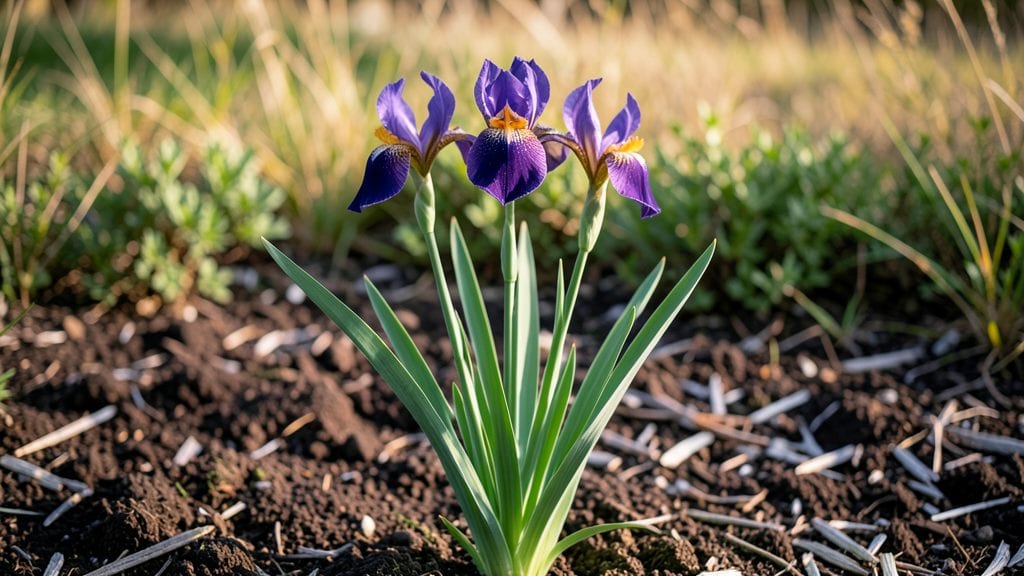
Your iris plant bloom time depends on the variety you grow, but most spring-blooming irises 🌸 light up gardens between late April and early May in USDA Zone 6a.
If you’ve ever waited impatiently for those signature sword-shaped blooms—only to see them arrive weeks late—you’re not alone. The timing isn’t just about the calendar; it’s a mix of climate, soil, and even last year’s care that shifts when those vibrant petals finally emerge.
Bearded irises, the classic garden staple, typically bloom first, followed by Siberian and Japanese types. A 2-4 week difference separates early bloomers from late ones, and knowing these patterns helps you layer colors for a longer show.
Here’s how to predict your iris bloom time down to the month—and tweak it so your garden bursts into color right when you want it.

Iris bloom time by variety: exact months for bearded, Siberian, and Japanese irises
Understanding your iris bloom time isn’t just about admiring their striking colors—it’s about planning your garden’s seasonal highlights. The three most popular iris varieties—bearded, Siberian, and Japanese irises—each bloom at different times, creating opportunities to layer colors and extend your garden’s show.
Knowing these timelines helps you choose varieties that align with your local climate and design goals.
For instance, Siberian irises typically bloom 2-4 weeks earlier than bearded irises, while Japanese irises often bloom slightly later. These differences aren’t random—they’re tied to each variety’s natural growing rhythms and climate preferences.
By leveraging these timings, you can create a garden that transitions seamlessly from early spring to late summer blooms.
Here’s a breakdown of their bloom times, adjusted for USDA zones 3-10, so you can plan your garden with precision. Use this as your guide to selecting irises that will bloom when you want them, whether you’re aiming for a bold spring display or a late-summer finale.
🌱 Pro Tip: Adjust these timelines by 1-2 weeks if you’re in cooler or warmer microclimates. For example, coastal gardens may see earlier blooms due to milder winters.
🌸 Visual Guide: Below is a summary-table of bloom times by variety, including regional adjustments for USDA zones 3-10. This will help you visualize how to layer irises for a continuous show.
If you’re in USDA zones 3-5, expect bearded irises to bloom slightly later—often in May—due to colder winters. Conversely, in zones 8-10, they may bloom as early as March, giving you a head start on spring color.
This shift is why I always plant Siberian irises first—they’re my early spring sentinels, signaling that winter’s over.
For Japanese irises, the timing is more flexible. In cooler zones (3-6), they may wait until late June or July, while in warmer zones (8-10), they can bloom as early as May.
Their later bloom makes them perfect for filling gaps after tulips and daffodils have faded. I often pair them with daylilies to extend the summer display.
Layering irises by bloom time is a game-changer for garden design. For example, plant Siberian irises in the front of a border, followed by bearded irises in the middle, and Japanese irises at the back. This creates a staggered bloom effect, ensuring your garden never looks bare.
Plus, it’s a great way to highlight different colors—think vibrant purples from Siberians, rich yellows from bearded varieties, and soft blues from Japanese types.
To maximize bloom time, pay attention to soil conditions and sun exposure. Irises need well-draining soil and 6+ hours of sunlight daily. If your soil is heavy clay, amend it with sand or compost to improve drainage.
I’ve found that raising beds slightly can also help prevent root rot, which can delay blooming.
Another trick I use is fertilizing in early spring with a balanced 5-10-10 fertilizer. This gives your irises the nutrients they need to produce strong stems and abundant blooms.
Avoid over-fertilizing, though—too much nitrogen can lead to leafy growth at the expense of flowers. A light feeding is all you need.
Finally, don’t forget that climate variations can shift bloom times by 1-2 weeks. For example, coastal gardens often see earlier blooms due to milder winters, while inland areas may experience delays.
Keep a garden journal to track your irises’ bloom times each year—this helps you refine your planting plan over time.
With this timeline in hand, you’re ready to plan a showstopping iris display that keeps your garden vibrant from early spring to late summer. Whether you’re a seasoned gardener or just starting, these bloom times will help you create a garden that’s as predictable as it is beautiful. 🌿
How to adjust iris bloom time: 3 proven tricks for earlier or later flowers
Want to shift your iris blooms by 2-6 weeks to align with garden events or extend your color season? You’re in control—with the right timing tricks. Irises are surprisingly flexible when it comes to bloom scheduling, but most gardeners miss the critical windows for adjustment.
The key lies in manipulating their natural cues: soil temperature, light exposure, and nutrient timing. Let’s break down how to coax your irises into blooming exactly when you want them to.
First, understand that irises use day length and soil warmth as their primary bloom triggers. In cooler climates, they often wait for consistent 60°F soil temps before flowering, while in warmer zones, they may bloom earlier if given the right conditions. The good news?
You can override these natural timelines with targeted interventions. For example, bearded irises typically bloom in late spring, but with the right prep, you can push them into early April or even late March for a showstopping early-season display.
⚠️ Common Mistake: Overwatering or fertilizing at the wrong time can delay blooms by 3-4 weeks. Irises need a dormant period to set flower buds, so forcing growth too early backfires spectacularly. Let’s avoid that!
-
🌡️ Soil Temperature Trick:
For earlier blooms, chill potted irises in a garage or cold frame from October to December (40-50°F range). This mimics winter dormancy and triggers spring blooms 2-3 weeks ahead.
For later blooms, delay planting until late April—irises planted in cool soil won’t bloom until June or July.
-
☀️ Light Exposure Hack:
Move potted irises to a shadier spot 6-8 weeks before your target bloom date. Reduced light slows growth, delaying flowering by up to 4 weeks. Conversely, extend daylight with grow lights (12+ hours/day) to push blooms 1-2 weeks earlier in short-day climates.
-
🌱 Fertilizer Timing:
Apply a low-nitrogen fertilizer (5-10-10) in early February for earlier blooms—this jumpstarts root growth.
For later blooms, skip spring feeding entirely and fertilize in late May instead. Phosphorus (the middle number) is key—it fuels flower production, but too much too soon can cause leafy growth at the expense of blooms.
Let’s talk about regional adjustments. In USDA Zone 5 or colder, where winters are harsh, irises often bloom later because they need consistent soil temps above 50°F to trigger flowering.
If you’re in Zone 8-10, your irises might bloom in January or February if left unchecked—use the chilling trick to delay them until spring. Pro tip: Mulch heavily in fall to insulate roots and fine-tune bloom timing naturally.
For container-grown irises, the rules change slightly. Potted plants are more responsive to temperature shifts because their roots aren’t anchored in the ground. If you want winter blooms, move pots to an unheated garage or basement in September and bring them back to full sun in December.
This can produce Christmas-season blooms—a stunning conversation piece!
Finally, avoid these bloom-killers: Overwatering in late summer (causes rot and missed blooms), using high-nitrogen fertilizer after June 1st (promotes leaves, not flowers), and planting in shade (delays blooms by up to 6 weeks). With these tricks, you’ll have irises blooming on your schedule, not Mother Nature’s.