
How To
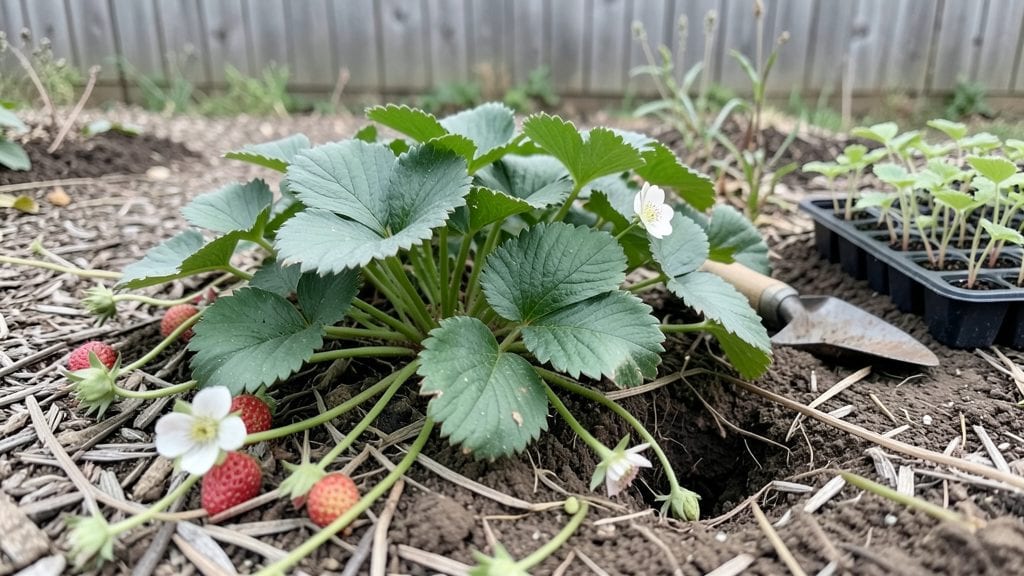
Transplanting strawberry plants in early spring gives you a head start on that first sweet harvest. 🌱 I learned the hard way—rushing the process last year left my plants struggling, but timing and prep make all the difference.
The key is moving them when soil warms to 50°F and new growth appears, not when the ground is still cold or frozen.
Start by preparing your bed with loose, well-draining soil mixed with compost—strawberries hate soggy roots. Space plants 18-24 inches apart in rows 3-4 feet apart to prevent disease and allow airflow.
Trim long runners and damaged leaves before transplanting, then water deeply right after to settle the soil and reduce shock. A little mulch afterward keeps moisture in and weeds out.
📚 In This Guide
- What you need
- Instructions
- Tips and common mistakes
- Wrapping up and next steps
What you need
- ● Strawberry plants: Healthy, disease-free runners or bare-root plants (check for firm roots and vibrant green leaves). Quantity depends on your garden space—aim for 1 plant per 6-12 inches of row space.
- ● Garden trowel or transplanting spade: A sharp, 6-8 inch trowel works best for digging small holes.
- ● Garden gloves: Protect your hands from thorns and soil (nitrile or leather gloves are ideal).
- ● Compost or well-aged manure: 2-3 cups per planting hole to enrich the soil.
- ● Balanced fertilizer (10-10-10 or 5-10-10): 1-2 tablespoons per hole for a nutrient boost.
- ● Mulch (straw, pine needles, or shredded leaves): 2-3 inches thick to retain moisture and suppress weeds.
- ● Watering can or hose with a gentle spray nozzle: Keep soil moist but avoid oversaturating roots.
- ○ Pruning shears (optional but helpful): Trim long runners or damaged leaves to reduce stress.
- ● Planting holes template: Use sticks or a string grid to mark spacing (12-18 inches apart for June-bearing, 12 inches for everbearing varieties).
- ● Epsom salt (magnesium sulfate): 1 tablespoon per hole for extra bloom and fruit production.
- ● Row covers or shade cloth: Protect young plants from harsh sun or pests in early spring.
- ● Soil test kit: Check pH (ideal range: 5.5-6.8) and adjust with lime or sulfur if needed.
- ● Organic pest control (neem oil, diatomaceous earth): Preemptively treat soil to deter slugs or aphids.
Step-by-step instructions for transplanting strawberry plants
Here's how to move your strawberries with minimal stress and maximum root success.
🪴 Step 1: Prepare the New Planting Location
Choose a spot with 6+ hours of sunlight daily and well-draining soil—strawberries hate soggy feet. Loosen the soil to a depth of 12 inches with a garden fork, breaking up any compacted layers. Mix in 2 inches of compost to enrich the soil naturally, focusing on the top 6 inches where most roots will grow.
If your soil is heavy clay, add 1-2 inches of coarse sand or perlite to improve drainage. Space rows 3 feet apart to allow airflow and easy maintenance. I like to mark the planting lines with a garden hose laid out in a straight line—this ensures even spacing and prevents crooked rows.
🌱 Step 2: Dig and Handle the Strawberry Plants
Water the current bed 24 hours before transplanting to help roots slide out of the soil easily. Gently dig around the plant with a spade, keeping the root ball intact—strawberries have shallow roots, so aim for a 6-inch diameter of soil around the base. Shake off excess dirt to inspect for pests or damaged roots.
Trim any long or damaged roots with clean pruners, but leave the bulk intact. If transplanting in hot weather, cover the plants with a damp cloth while you work—they wilt fast when exposed. I always handle strawberries by the leaves, never the stems, to avoid crushing tender growth.
💧 Step 3: Plant at the Correct Depth and Spacing
Position each plant so the crown (where leaves meet roots) sits just above soil level. Burying the crown too deep suffocates the plant, while leaving it exposed leads to rot. Space individual plants 18-24 inches apart in rows, or 12 inches apart in matted rows for easier harvesting.
Fill the hole with soil, pressing gently to remove air pockets but not compacting too firmly. Water immediately after planting to settle the roots and eliminate air gaps. You'll know it's done right when the soil surface looks slightly settled and the plant stands upright without wobbling.
☀️ Step 4: Mulch and Protect Newly Transplanted Plants
Spread 2-3 inches of straw mulch around each plant, leaving a 1-inch gap around the crown to prevent rot. Mulch keeps roots cool, retains moisture, and suppresses weeds—everything strawberries love. Avoid using grass clippings, which can mat down and trap moisture against the plants.
For the first 2 weeks, water deeply every 2-3 days to encourage root establishment. You'll see new growth within 3-4 weeks if the transplanting went well. If leaves yellow or wilt despite watering, the roots may need more time to adjust—keep them shaded until they perk up.
⏰ Step 5: Monitor and Maintain Through the First Season
Remove any flowers that appear in the first 6 weeks—this sounds counterintuitive, but strawberries need to focus on root growth before fruiting. Once established, they'll produce more vigorously. Fertilize lightly with a balanced 10-10-10 formula every 6 weeks during the growing season, but avoid high-nitrogen feeds after mid-summer.
Watch for pests like slugs or spider mites, which love newly stressed plants. A quick spray of soapy water or neem oil keeps them at bay. By next spring, your transplanted strawberries will be thriving—just give them time to settle in and they'll reward you with sweet, abundant harvests.
Tips & tricks for perfect strawberry transplanting
Transplanting strawberries successfully comes down to a few key details that make all the difference between struggling plants and thriving berries.
The 24-Hour Watering Secret: Watering the bed 24 hours before transplanting isn't just about making roots slide out easily—it's about giving your strawberries a hydration boost they'll need during the stressful move. Think of it like giving them a big drink before a long car ride. The soil should be moist but not soggy; you can test by squeezing a handful—it should hold together but not drip water.
Root Ball Integrity: Strawberries have delicate, shallow roots that spread horizontally, so preserving that 6-inch diameter root ball is crucial. I've learned the hard way that cutting roots too much stresses the plant. When you dig, work gently around the edges and lift carefully—if you see roots breaking, don't panic. Just trim only the longest, most damaged ones with clean pruners. The plant will regenerate quickly once settled.
Crown Positioning: Getting the crown just above soil level is more important than you might think. The crown is where all the magic happens—it's the plant's growth center. If you bury it too deep, it'll suffocate; if you leave it exposed, it'll rot. Here's my trick: After planting, gently press the soil around the base and look for that little dimple where the leaves meet the roots. That's your crown, and it should be just barely visible above the soil line.
Mulching Strategy: That 2-3 inches of straw mulch isn't just for looks—it's a game-changer for moisture retention and temperature regulation. I like to spread it in a loose, even layer, leaving that 1-inch gap around the crown. This creates a microclimate that keeps roots cool in summer and insulated in winter. Pro tip: Use clean, pesticide-free straw. Grass clippings might seem convenient, but they can compact and trap moisture against the plant, inviting rot.
Pro Tips for Transplant Strawberry Plants
- Transplanting strawberries successfully comes down to a few key details that make all the difference between struggling plants and thriving berries.
- The 24-Hour Watering Secret: Watering the bed 24 hours before transplanting isn't just about making roots slide out easily—it's about giving your strawberries a hydration boost they'll need during the stressful move.
- Root Ball Integrity: Strawberries have delicate, shallow roots that spread horizontally, so preserving that 6-inch diameter root ball is crucial.
Frequently asked questions
Got questions about transplanting strawberries? You’re not alone!
Here are answers to the most common concerns—so you can dive in with confidence and avoid rookie mistakes.
When is the best time to transplant strawberry plants?
Transplant strawberries in early spring (after the last frost) or late summer (6-8 weeks before the first frost). Avoid transplanting during extreme heat or cold—roots need time to establish before stress hits! For June-bearing varieties, spring is ideal; everbearing types can handle late summer transplants too.
How long does it take for transplanted strawberries to recover?
Strawberries typically take 2-4 weeks to adjust to their new home, depending on weather and care. Watch for new leaves (a good sign!) and avoid harvesting fruit for at least 4-6 weeks post-transplant. Patience pays off—healthy roots mean bigger yields later!
What should I do if my strawberry plants look wilted after transplanting?
Wilting is normal at first, but if it persists beyond a week, check for:
- Underwatering: Strawberries need 1-1.5 inches of water weekly (more in heatwaves).
- Overwatering: Soggy soil suffocates roots—ensure good drainage.
- Shock: Mulch with straw to retain moisture and reduce stress.
Can I transplant strawberries from a neighbor’s garden or grocery store?
Nope!
Store-bought strawberries (even plants) are often treated with chemicals to prevent sprouting. For healthy transplants, buy from nurseries or reputable online sellers or propagate your own from runners. Always check for pests or diseases before planting.
How often can I transplant strawberries to the same spot?
Strawberries thrive in the same spot for 2-3 years before soil-borne diseases (like verticillium wilt) or nutrient depletion set in. After that, move them to fresh soil at least 10 feet away to prevent reinfection. Rotating beds keeps your plants happy and productive!
Pro Tip:
Label your strawberry beds! Varieties like Albion (day-neutral) or Chandler (June-bearing) have different care needs. A simple stake with the name saves headaches later.
Wrapping up and next steps
Transplanting strawberry plants is a rewarding way to expand your garden and enjoy a sweeter harvest! By following the right steps—like choosing healthy runners, preparing the soil, and giving them proper care—you’ll set your plants up for success.
With patience and attention, you’ll soon be savoring homegrown strawberries that taste like summer in every bite. 🍓
Ready to take the next step? Start by marking your new planting spots and gathering your tools. Once your strawberries are settled, focus on consistent watering and mulching to keep them thriving. Happy gardening!