Flowers
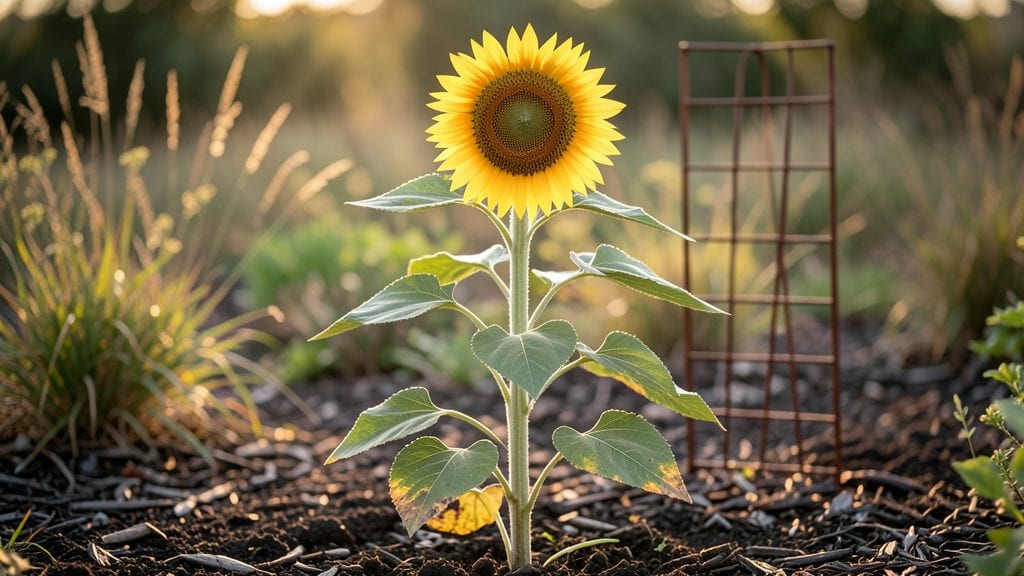
Watch an oil sunflower plant burst from the soil—its fast germination and high-yield seeds transform a patch of dirt into a golden harvest in just days. 🌱 I’ve seen seeds crack open and send up bright green shoots in just 3-5 days—that’s faster than most vegetables, and the payoff is seeds packed with oil for cooking or industrial use.
The key difference from ornamental sunflowers? These varieties grow taller, produce smaller but oil-rich heads, and thrive in warmer climates where their cousins might flop.
You’ll need full sun, loose soil, and patience for the 6-8 foot stalks that develop. Start with seeds in early spring after the last frost, spacing them 12-18 inches apart—crowding slows growth and reduces seed quality.
Oil sunflowers love well-drained soil but hate soggy roots, so amend heavy clay with compost before planting. The real secret to speed? Keep the soil consistently moist but not waterlogged during germination, and you’ll see those first leaves unfurl in record time.
By midsummer, you’ll be harvesting heads with 30-50% oil content, perfect for pressing at home or selling locally. The stalks stay sturdy even in wind, and the seeds dry faster than ornamental varieties.
Once you crack open a head and see those glossy seeds, you’ll understand why this isn’t just a pretty plant—it’s a fast, functional powerhouse for any garden.
Works best in zones 4-9, though northern growers can push early plantings. For cooler climates, opt for early-maturing varieties like ‘NuSun’ or ‘Pioneer 6511’—they’ll still hit 100+ days to harvest but avoid late-season frost risks.
The same techniques apply whether you’re growing for home use or a larger operation, making this a versatile choice for any gardener.
📚 In This Guide
- What you need
- Instructions
- Tips and common mistakes
- Wrapping up and next steps
What you need
- ● Seeds: High-quality Helianthus annuus oil sunflower seeds (non-GMO preferred). Aim for 10–20 seeds per plant (or 1–2 lbs for bulk planting).
- ● Soil: Well-draining, fertile soil with a pH of 6.0–7.5. Mix in compost or aged manure (1–2 cups per planting hole) for nutrient-rich soil.
- ● Sunlight: Full sun (6–8+ hours daily)—oil sunflowers thrive in bright, open spaces.
- ● Water: A garden hose with a gentle spray nozzle or drip irrigation system to avoid disturbing seedlings.
- ○ Fertilizer: Balanced 10-10-10 or 5-10-10 fertilizer (apply at planting and mid-growth). Optional: Fish emulsion for organic boost.
- ● Tools: Hand trowel or transplanting spade
- ● Gloves (to protect hands from prickly stems)
- ● Measuring tape (for spacing—see below!)
- ● Mulch: Straw or wood chips to retain moisture and suppress weeds.
- ● Trellis or stakes: For taller varieties (6+ feet) to support heavy heads.
- ● Row cover: Lightweight fabric to protect young seedlings from pests or frost.
- ● pH test kit: To ensure soil conditions are ideal before planting.
Step-by-step instructions for growing oil sunflowers from seed
Here’s the method I’ve used to get sunflowers sprouting in 3-5 days—no waiting weeks for germination.
🌱 Step 1: Prep Seeds for Faster Germination
Sunflower seeds have thick outer shells that slow down sprouting. To speed things up, soak the 4 sunflower seeds in lukewarm water for 12 hours before planting. This softens the seed coat, letting roots break through faster. I use a small bowl and cover it loosely with plastic wrap to keep moisture in without drowning the seeds.
After soaking, drain the water completely and let the seeds sit for another 30 minutes to prevent rot. You’ll notice the seed coats darken slightly—this is normal and means they’re ready. Plant them within 24 hours of soaking for best results.
🪴 Step 2: Plant in Warm, Well-Drained Soil
Fill your 1-gallon pots with sterile potting mix (never garden soil—it’s too dense for sunflower roots). Press the soil down gently to remove air pockets, then make ½-inch-deep holes about 1 inch apart. Drop one soaked seed into each hole and cover lightly with soil—just enough to hide the seed but not bury it too deep.
Sunflowers thrive in warm soil (60-70°F). If your outdoor temps are below 50°F, start seeds indoors under a grow light or wait until nighttime temps stay above 55°F. Water the soil gently until it’s evenly moist but not soggy—you’ll know it’s right when water runs through the bottom of the pot without pooling.
☀️ Step 3: Provide Heat and Light for Speed
Place the pots in a warm, sunny spot—a south-facing windowsill or under a grow light set to 14-16 hours of light daily. Sunflowers germinate fastest in 70-75°F soil, so if your home runs cooler, use a seedling heat mat underneath the pots. You’ll see tiny sprouts push through the soil in 3-5 days—sometimes even faster if conditions are perfect.
Once the first true leaves (not the initial seed leaves) appear, remove the heat mat if you’re using one. Keep the soil consistently moist but avoid overwatering—sunflower seedlings rot quickly in soggy soil. Watch for yellowing leaves, which means either too much water or not enough light.
⏰ Step 4: Thin and Transplant for Strong Growth
When seedlings reach 2 inches tall, thin them so only the strongest plant per pot remains. Use small scissors to snip the weaker stems at soil level—pulling can disturb the roots of the remaining plant. This step ensures your sunflower gets all the nutrients and space to grow tall and sturdy.
After 4-6 weeks, when seedlings have 4-6 true leaves, transplant them into the ground or larger 5-gallon containers if growing in pots. Choose a spot with full sun (6+ hours daily) and well-draining soil. Dig a hole twice as wide as the root ball and just as deep, then firm the soil around the base. Water deeply to help roots establish.
💧 Step 5: Maintain for Maximum Oil Yield
Sunflowers need 1-2 inches of water per week, especially during flowering. Water at the base of the plant in the morning to prevent fungal diseases. You’ll know they’re thriving when the stem is thick and the leaves are deep green—not yellow or wilted. Fertilize lightly with a balanced 10-10-10 formula every 4-6 weeks to encourage strong growth.
Harvest seeds when the back of the flower head turns yellow and the petals drop off. Cut the head and hang it upside down in a dry, well-ventilated spot for 2-3 weeks until the seeds rattle inside. Then, crack them open to extract oil—your fast germination pays off with a bountiful harvest!
Tips & tricks for perfect sunflower oil planting
Here's what I've learned to accelerate germination and ensure your sunflowers thrive from day one.
Soaking Strategy: The 12-hour soak in lukewarm water is non-negotiable for fast germination. I've found that using a bowl with just enough water to cover the seeds (about 1 inch) works best—any deeper and you risk drowning them. After draining, that 30-minute air-dry period prevents mold while keeping the seed coats soft. Pro tip: If you're short on time, you can extend the soak to 24 hours maximum, but don't exceed this—over-soaking can cause the seeds to sprout prematurely and weaken before planting.
Temperature Precision: Sunflowers are sensitive to soil temperature, and maintaining that 60-70°F range during germination makes all the difference. If your home runs cooler, invest in a seedling heat mat—it's a game-changer for consistent warmth. For outdoor planting, wait until nighttime temps stay above 55°F; cooler nights delay germination. I've seen seeds take twice as long to sprout when planted too early in cool weather.
Light Optimization: The 14-16 hours of daily light in Step 3 isn't just a suggestion—it's critical for fast growth. If using grow lights, position them 2-3 inches above the seedlings and adjust as they grow. Natural sunlight works perfectly, but supplement with artificial light if your windowsill doesn't get full sun. Watch for seedlings leaning toward light—this means they're not getting enough from all directions.
Thinning Technique: When thinning at the 2-inch mark, use small scissors instead of pulling stems. This prevents disturbing the roots of your remaining plant, which is crucial for strong establishment. I've seen sunflowers that were pulled too aggressively struggle to recover—always cut at soil level for clean removal. After thinning, give your remaining plant a gentle watering to help it recover from the stress.
Pro Tips for Oil Sunflower Plant
- Here's what I've learned to accelerate germination and ensure your sunflowers thrive from day one.
- Soaking Strategy: The 12-hour soak in lukewarm water is non-negotiable for fast germination.
- Temperature Precision: Sunflowers are sensitive to soil temperature, and maintaining that 60-70°F range during germination makes all the difference.
Frequently asked questions
How long does it take for oil sunflower seeds to germinate?
Oil sunflower seeds typically sprout in 7–14 days after planting, depending on soil warmth and moisture. For faster germination, keep the soil consistently moist (not soggy) and maintain temperatures above 60°F (15°C). If germination takes longer than 2 weeks, check seed viability or adjust your growing conditions.
When is the best time to plant oil sunflower seeds?
Plant oil sunflower seeds after the last frost when soil temperatures reach at least 55°F (13°C). In most climates, this means late spring (April–June). For warm regions, you can even plant in early fall for a winter harvest. Avoid planting too early—cold soil delays germination and weakens seedlings.
Can oil sunflowers grow in containers? What size pot do I need?
Yes! Oil sunflowers thrive in containers if given enough space. Use a pot at least 12–18 inches deep and wide (bigger for dwarf varieties). Ensure it has drainage holes and fill with well-draining potting mix. Place the container in full sun (6+ hours daily) and fertilize regularly—container-grown plants need more nutrients.
What pests or diseases should I watch for in oil sunflowers?
Common pests include aphids, sunflower moths, and beetles, while diseases like powdery mildew or rust can strike if humidity is high. Prevent issues by:
- Spraying neem oil early for pests.
- Avoiding overhead watering to reduce mildew.
- Rotating crops if growing sunflowers yearly.
Are there any alternatives to traditional oil sunflower seeds for cooking?
If you’re exploring options, try:
- Safflower oil – High in polyunsaturated fats, great for frying.
- Canola oil – Mild flavor, versatile for baking and sautéing.
- Avocado oil – Rich in heart-healthy fats, ideal for high-heat cooking.
- Olive oil – Perfect for dressings and low-heat dishes.
Wrapping up and next steps
Growing oil sunflowers is a rewarding journey that combines simplicity with high returns—whether you're chasing nutrient-rich seeds or biodiesel potential. With the right soil prep, timing, and care, you can unlock fast germination and a bountiful harvest in just 80-120 days.
Remember, patience and consistency are key, but the payoff—golden blooms and versatile oil—makes every effort worthwhile!
Ready to plant your first seeds? Start small with a test patch, then scale up as you gain confidence. Grab your supplies and get growing—your future harvest (and maybe even a side hustle!) is waiting. 🌻✨