
How To
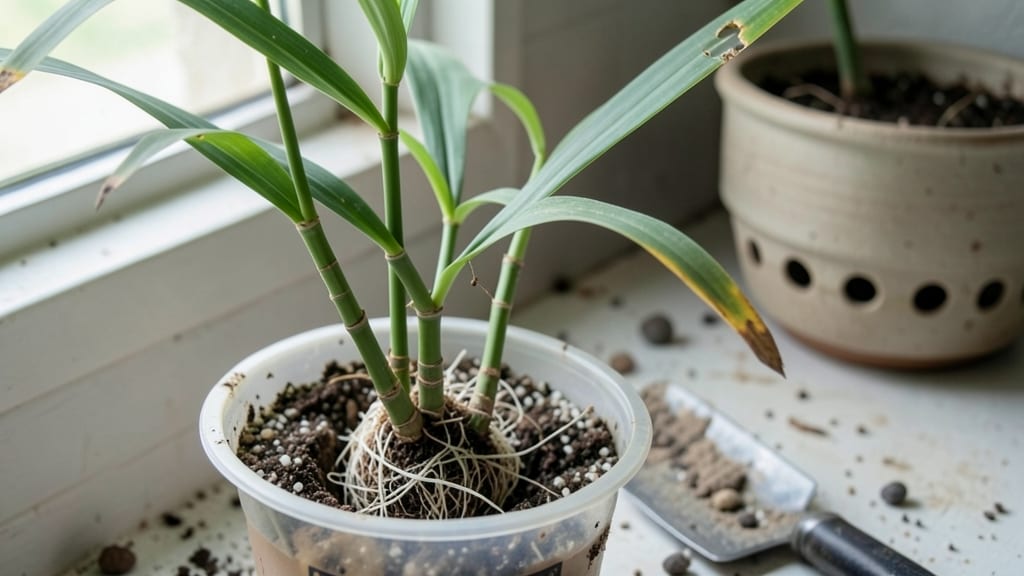
Transplanting bamboo plants can feel like wrestling with a jungle vine—but I’ve moved clumps this big without turning my yard into a bamboo thicket. The key is timing, the right tools, and knowing exactly how to handle those aggressive roots before they spread.
Most people panic about the roots, but with the proper technique, you’ll have a thriving plant in its new home without the chaos.
You’ll need sharp pruners, a wheelbarrow, compost-rich soil, and a shovel with a broad blade—no fancy equipment, just the right prep. Dig when the soil is moist but not soggy (spring or early fall works best), and always mark where the roots end so you can contain them.
After transplanting, water deeply and mulch heavily to keep the roots cool and settled. Within weeks, you’ll see new shoots, and the plant will look like it’s always been there.
📚 In This Guide
- What you need
- Instructions
- Tips and common mistakes
- Wrapping up and next steps
What you need
- ● Bamboo plants: 1-3 root-bound clumps (depending on desired spread; younger plants transplant easier).
- ● Shovel or spade: 1 sturdy, sharp-edged tool (12-18" wide for digging).
- ● Garden fork or transplanting spade: 1 (for loosening roots without damaging them).
- ● Pruning shears or loppers: 1 pair (for trimming overgrown canes or roots).
- ● Garden hose or watering can: 1 (with a gentle spray nozzle for hydration).
- ● Compost or well-aged manure: 5-10 gallons (for nutrient-rich soil mix).
- ● Organic mulch (e.g., straw or wood chips): 2-3 bags (to retain moisture and suppress weeds).
- ○ Root stimulator (optional but helpful): 1 bottle (e.g., Mycorrhizal fungi or seaweed extract).
- ● Bamboo barrier fabric: 1 roll (if containing running bamboo; 30" deep x 2' wide).
- ● Garden gloves: 1 pair (to protect hands from sharp canes or soil).
- ● Wheelbarrow or bucket: 1 (for mixing soil or transporting plants).
- ● Measuring tape: 1 (to mark planting distances, especially for clumping varieties).
- ● Slow-release fertilizer: 1 bag (e.g., 10-10-10 NPK ratio for balanced growth).
Step-by-Step instructions for transplanting bamboo plants
Here’s how to relocate your bamboo without stressing the roots or inviting clumping chaos.
Prepare the New Planting Site
Choose a spot with 6 hours of sunlight daily and soil that drains well—bamboo roots need room to spread but hate soggy feet. If your soil is heavy clay, mix in 2 inches of compost to improve aeration. Dig a hole twice as wide and deep as the root ball to give roots plenty of space to settle.
For container-grown bamboo, select a pot at least 12 inches wider than the current container. Line the bottom with 1 inch of gravel for drainage, then fill the rest with well-draining potting mix. The extra width prevents root binding and keeps your bamboo from becoming invasive.
Carefully Remove the Bamboo from Its Current Home
Water the bamboo 24 hours before transplanting to reduce root shock. Gently squeeze the sides of the container to loosen the root ball, then tip it sideways and slide the plant out. If roots are circling tightly, use a knife to slice through the root ball in a few places—this encourages outward growth instead of a tangled mess.
Inspect the roots for any that look dry, mushy, or gnarled. Trim off dead or rotting roots with clean pruners, but leave healthy ones intact. The goal is to disturb as few roots as possible while ensuring the plant has a fresh start in its new home.
Plant the Bamboo at the Right Depth and Support It
Place the bamboo in the hole or pot so the top of the root ball sits level with the surrounding soil. Fill in around the roots with soil, pressing lightly to remove air pockets but not compacting too tightly. Water deeply until moisture seeps 2 inches below the surface—this helps settle the soil and eliminates gaps.
For clumping bamboo varieties, install a sturdy stake or bamboo support right away. Tie the main stems loosely to the stake with soft plant ties to prevent wind damage while roots establish. Avoid burying the crown (where stems meet roots)—this can rot and kill the plant.
Water and Mulch for Recovery
Water the transplanted bamboo every other day for the first 2 weeks, keeping the soil evenly moist but not soggy. After that, reduce watering to once a week, checking that the top 2 inches of soil dry out between waterings. Overwatering is the fastest way to smother new roots.
Spread 2 inches of mulch around the base, keeping it 6 inches away from the stem to prevent rot. Use shredded bark or wood chips—they retain moisture while allowing airflow. This layer also suppresses weeds and keeps soil temperatures stable, which bamboo loves.
Monitor and Maintain for Long-Term Health
Watch for new shoots emerging within 4-6 weeks—this is your sign the transplant took. If leaves yellow or wilt, it’s usually a sign of overwatering or poor drainage. Adjust your watering schedule and check that the soil isn’t staying damp for days.
Fertilize lightly 3 months after transplanting with a balanced, slow-release fertilizer (10-10-10 ratio). Avoid heavy feeding right away—new roots are fragile and can’t handle nutrient overload. Prune any dead or damaged stems in early spring to encourage fresh growth.
Tips & tricks for transplanting bamboo plants
Transplanting bamboo can feel intimidating, but these tricks will help you avoid common mistakes and give your plant the best chance to thrive in its new home.
Timing is Everything: The 24-hour advance watering in Step 2 isn't just about hydration—it's about preparing the roots. Watering too close to transplanting can loosen the soil too much, making the root ball crumble when you remove it. Think of it like giving your bamboo a spa day to relax before the big move. Also, aim to transplant on a cloudy day or in the late afternoon to reduce stress from direct sunlight during the adjustment period.
Root Ball Rescue: When you notice roots circling tightly in Step 2, don't just yank them apart—that can damage healthy roots. Instead, use a clean knife to make 2-3 vertical cuts through the root ball, about an inch deep. This technique, called "root pruning," encourages outward growth rather than creating a tangled mess. It's like giving your bamboo's roots a fresh haircut to grow in a new direction.
Support System Matters: The stakes mentioned in Step 3 aren't just for show—they're crucial for clumping varieties. Install them immediately after planting, even if your bamboo looks sturdy. A sudden wind or curious pet could knock it over while roots establish, and bamboo recovers poorly from being toppled. Use soft plant ties that won't cut into the stems as they grow. This support gives your bamboo confidence to focus on root growth rather than balancing itself.
Watering Wisdom: The "evenly moist but not soggy" guideline in Step 4 is the golden rule for bamboo recovery. To check moisture levels, stick your finger 2 inches into the soil—the amount of resistance tells you more than appearance. If it feels damp but not wet, you're in the sweet spot. Overwatering is the silent killer of newly transplanted bamboo, so resist the urge to give it extra love with the hose. Think of it like raising a teenager—consistent care beats overindulgence.
Pro Tips for Transplant Bamboo Plants
- Transplanting bamboo can feel intimidating, but these tricks will help you avoid common mistakes and give your plant the best chance to thrive in its new home.
- Timing is Everything: The 24-hour advance watering in Step 2 isn't just about hydration—it's about preparing the roots.
- Root Ball Rescue: When you notice roots circling tightly in Step 2, don't just yank them apart—that can damage healthy roots.
Frequently asked questions
Transplanting bamboo can feel tricky, but these answers to common questions will help you navigate the process with confidence!
When is the best time to transplant bamboo?
The ideal time is early spring or late fall, when temperatures are mild and the plant isn’t actively growing. Avoid transplanting during extreme heat or frost—bamboo struggles with stress in these conditions. If you must transplant in summer, do it on a cloudy day to reduce shock.
How do I know if my bamboo is ready for transplanting?
Look for these signs: root-bound clumps (roots circling the pot), yellowing leaves, or stunted growth. If your bamboo is healthy but just too large for its current spot, transplanting can still work—but choose a larger container or ground space to prevent future issues.
Can I transplant bamboo in winter?
It’s not recommended unless you’re in a mild-winter climate (zones 8-10). Cold temperatures slow root growth, making recovery difficult. If you must transplant in winter, protect the roots with mulch and avoid freezing soil. Dormant bamboo (late fall) is a safer bet than winter.
What’s the difference between clumping and running bamboo for transplanting?
Clumping bamboo
(e.g., Bambusa multiplex) spreads slowly and is easier to transplant—dig up individual culms (stems) with roots intact. Running bamboo (e.g., Phyllostachys) sends out aggressive rhizomes; contain it with barriers before transplanting or expect it to spread rapidly in its new home.
Why is my bamboo dying after transplanting?
Common causes include underwatering, root damage, or poor soil drainage. If leaves turn brown or wilt, check for root rot (soggy soil) or drought stress. Mulch heavily and water deeply (but not excessively) for the first 2-3 weeks. Avoid fertilizing until new growth appears!
Wrapping up and next steps
Transplanting bamboo may seem daunting, but with the right tools, timing, and care, you can give your plants a fresh start—without the chaos! 🌱 The key is patience: dig carefully, prep the new spot, and keep an eye on moisture and sunlight.
Whether you’re reviving a root-bound clump or expanding your garden, your bamboo will thrive with a little TLC.
Ready to take the next step? Monitor your bamboo’s progress over the next few weeks—adjust watering as needed and watch those canes grow strong. Soon, you’ll have a lush, healthy bamboo garden that’s the envy of the neighborhood! 🌿