
How To
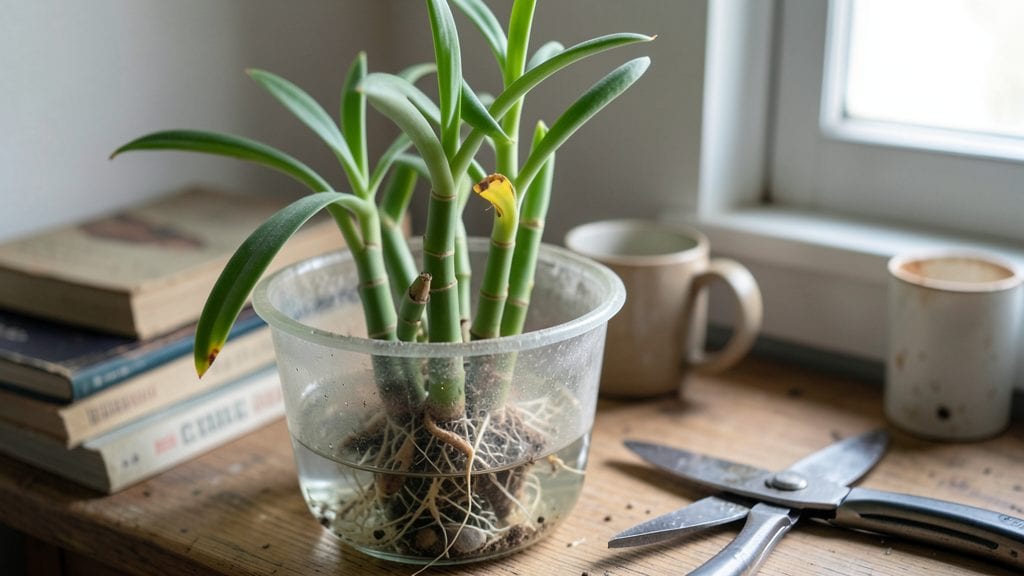
Cutting bamboo plants to regrow isn't just about trimming—it's about unlocking denser, healthier growth that transforms your yard from sparse to stunning. 🌱 I learned the hard way that chopping randomly leads to weak regrowth, but the right cuts trigger a bushier plant within months.
The key lies in understanding whether your bamboo spreads by runners or clumps, then timing the cuts for maximum recovery.
You'll need sharp pruners, gloves, and a clear day to avoid sap splatter. For clumping bamboo, cut back old canes at the base in early spring; for running types, dig up and remove unwanted shoots while leaving the main stalk intact.
Post-pruning care keeps the soil moist but well-drained—think of it as giving your bamboo a fresh start after surgery.
📚 In This Guide
- What you need
- Instructions
- Tips and common mistakes
- Wrapping up and next steps
What you need
- ● Pruning shears or loppers – Choose sharp, bypass-pruning shears (for small stems) or loppers with 8-10" blades (for thicker canes, up to 2" diameter). Disinfect blades with rubbing alcohol before and after use to prevent disease.
- ● Gloves – Heavy-duty gardening gloves (preferably with cut-resistant palms) to protect against sharp bamboo edges and splinters.
- ● Hose or water source – A garden hose with a spray nozzle or bucket of water to clean cuts and hydrate the plant post-pruning.
- ● Compost or mulch – 2-3 gallons of well-aged compost or organic mulch (like shredded bark) to replenish nutrients after cutting.
- ○ Root barrier fabric (optional but recommended for running bamboo) – A 1-2 ft wide roll of landscape fabric to contain aggressive spreaders if needed.
- ● Handsaw or pruning saw – For thick bamboo canes (2"+ diameter) that loppers can’t handle.
- ● Plant sealant (e.g., tree wound dressing) – A small jar to seal large cuts and prevent rot (use sparingly—only on thick stems).
- ● Measuring tape – To mark cutting heights (e.g., 1/3 from the base for regrowth).
- ● Disposable gloves or old towels – For messy or thorny bamboo varieties like Bambusa multiplex.
Step-by-Step instructions for cutting bamboo to encourage regrowth
Here’s the straightforward method I use to rejuvenate bamboo—whether you’re pruning for shape or propagating new plants.
✂️ Step 1: Identify and Mark the Right Cuttings
Bamboo spreads through rhizomes, so focus on the new shoots (called "culms") that emerge from the ground in spring. These are your best candidates for regrowth. Look for thick, healthy stems with at least 3-4 nodes—these are the sections where new growth will sprout.
Use clean, sharp pruning shears to mark your cuts. Avoid cutting the main clump unless you’re intentionally thinning—this can stress the plant. Instead, target outer shoots that are 1-2 years old. You’ll know they’re ready when the outer layer feels slightly woody but still flexible.
✂️ Step 2: Cut at the Right Angle and Depth
Make your cuts just above a node (the bump where leaves or branches grow) at a 45-degree angle. This prevents water from pooling on the cut, which can rot the stem. For running bamboo (spreading types), cut 2-3 inches below ground level to encourage new shoots from the rhizome.
If you’re propagating, dig up a 6-inch section of rhizome with at least 2-3 nodes still attached. Rinse off the soil gently to expose fresh roots. This section will become your new plant—just plant it in moist soil and water deeply.
💧 Step 3: Water and Fertilize for Recovery
After cutting, water the base of the plant deeply to help the roots recover. Bamboo is drought-tolerant once established, but new cuts need consistent moisture for the first 2-3 weeks. You’ll know it’s getting enough water when the soil feels damp 1 inch below the surface.
Apply a balanced fertilizer (like 10-10-10) around the base, but not directly on the cuts. This encourages root and shoot growth without burning the fresh wounds. Avoid heavy nitrogen—it promotes leafy growth at the expense of sturdy stems.
☀️ Step 4: Monitor for New Growth
Within 4-6 weeks, you should see new shoots emerging from the cut sections or the rhizome. If you’re propagating, watch for small green buds breaking through the soil—this means your new plant is taking root.
Keep the area partially shaded for the first month to reduce stress. Bamboo thrives in full sun to partial shade, but fresh cuts need time to harden. If you notice yellowing leaves, it’s a sign of too much sun—move the plant to a slightly shadier spot.
⏰ Step 5: Thin and Shape for Long-Term Health
Once new growth appears, thin out weak or crowded shoots to give the plant room to breathe. Aim for 3-5 strong stems per clump—this prevents overcrowding and makes future pruning easier. Use your shears to trim back any crossing or rubbing stems, which can create entry points for disease.
For a bushier look, prune the top third of older canes in late winter or early spring. This encourages lateral branching and keeps the plant compact. Avoid heavy pruning in fall—bamboo needs energy to store for winter dormancy.
Tips & tricks for perfect bamboo regrowth
Here's what I've learned after years of pruning bamboo—these tricks make all the difference between healthy regrowth and stressed plants.
Timing is Everything: Spring is the ideal time to prune bamboo because that's when new growth naturally begins. If you must prune in summer, do it early in the season before the heat sets in. I've found that pruning in late summer or fall can stress the plant, especially in colder climates where winter dormancy is coming soon. The plant needs energy to recover and prepare for new growth.
Tool Prep Matters: Before you start cutting, make sure your pruning shears are clean and sharp. Dull blades can crush stems instead of making clean cuts, which invites disease. I like to wipe the blades with rubbing alcohol between cuts to prevent spreading any potential pathogens. For thicker stems, a pruning saw might be necessary—just be careful not to damage the surrounding rhizomes.
Node Awareness: Remember those nodes we talked about in Step 1? They're absolutely critical. When making your cuts in Step 2, always cut just above a node at that 45-degree angle. This creates a larger surface area for new growth to emerge. I've seen bamboo regrow beautifully from properly cut nodes, while improper cuts often result in weak or no new growth. Think of each node as a potential growth point—treat them with care!
Propagating Pro Tip: When you're digging up that 6-inch rhizome section for propagation, look for sections with at least 2-3 nodes that are plump and firm. Avoid rhizomes that look shriveled or have dark spots—they won't propagate well. Once you've planted your new section, keep the soil consistently moist (not soggy) for the first 2-3 weeks. I've had great success using a mix of peat moss and perlite for the planting medium—it holds moisture while allowing good drainage.
Pro Tips for Cut Bamboo Plants To Regrow
- Here's what I've learned after years of pruning bamboo—these tricks make all the difference between healthy regrowth and stressed plants.
- Timing is Everything: Spring is the ideal time to prune bamboo because that's when new growth naturally begins.
- Tool Prep Matters: Before you start cutting, make sure your pruning shears are clean and sharp.
Frequently asked questions
Got questions about trimming bamboo for regrowth? You’re not alone! Here are answers to the most common queries—so you can prune with confidence and watch your bamboo thrive.
When is the best time to cut bamboo for regrowth?
The ideal time is late winter or early spring (just before new growth starts). This gives your plant time to recover before summer heat. Avoid cutting during dormancy (deep winter) or peak summer—both stress the plant. For tropical bamboo, prune after heavy rains to encourage fresh shoots.
How much of the bamboo should I cut back to encourage regrowth?
For clumping bamboo, trim back 1/3 to 1/2 of the oldest canes at ground level. For running bamboo, cut back 20-30% of the tallest canes to redirect energy to new growth. Never remove more than 50%—this can shock the plant. Focus on thinning dense areas, not just height.
What if my bamboo doesn’t regrow after cutting?
If no new shoots appear within 4-6 weeks, check these fixes:
- Soil health: Test for poor drainage or nutrient deficiency (add compost or slow-release fertilizer).
- Timing: You may have cut too late in the season. Try again in early spring.
- Root damage: If the rhizome (underground stem) is compromised, the plant may need time to recover.
For stubborn cases, try a light top-dressing of bamboo-specific fertilizer to jumpstart growth.
Can I propagate bamboo from cuttings instead of just pruning?
For clumping bamboo, dig up pups (offshoots) with roots attached and replant. For running bamboo, cut a 6-inch section of rhizome with nodes and plant it horizontally. Keep soil moist for 4-6 weeks—new shoots should emerge. Pro tip: Use rooting hormone to boost success rates!
Does cutting bamboo affect its growth speed or height?
Regular pruning won’t stunt growth—in fact, it often speeds up bushier, healthier regrowth by removing old canes that compete for nutrients. However, over-pruning (cutting >50% of the plant) can temporarily slow growth while the rhizome recovers. Aim for annual light pruning to maintain balance.
Wrapping up and next steps
Cutting and regrowing bamboo isn’t just about trimming—it’s about unlocking healthier, bushier plants that thrive for years! By mastering the right techniques—like timing your cuts, sterilizing tools, and dividing clumps—you’ll transform your bamboo into a lush, vibrant focal point.
Whether you’re a beginner or a seasoned gardener, these steps make propagation simple and rewarding.
Ready to level up your garden? 🌱 Start by picking one plant to practice on, then share your progress with fellow plant lovers. Your green thumb is about to get even greener!