
Pests
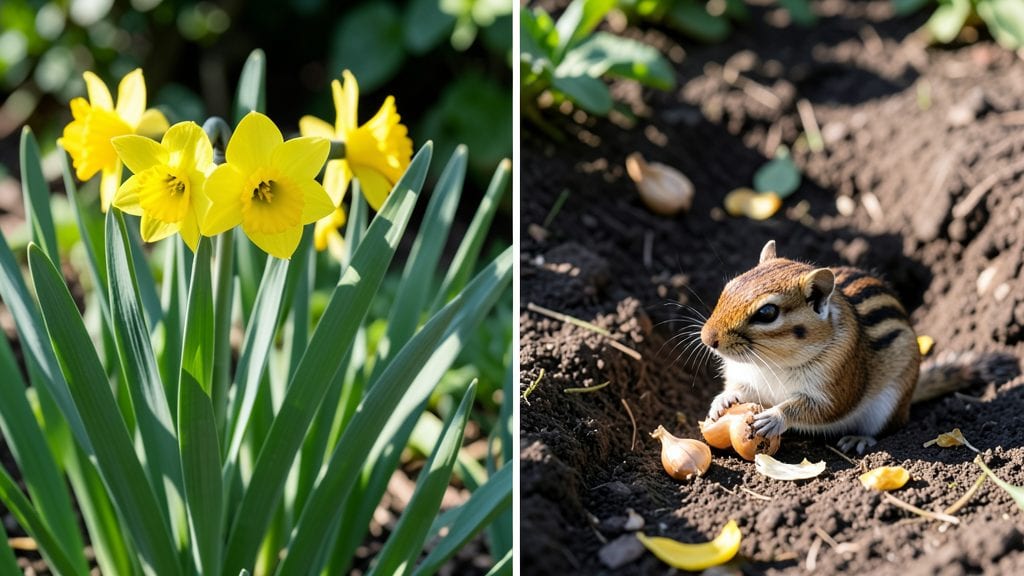
The secret to keeping chipmunks away is knowing the plants chipmunks hate—like daffodils and marigolds—whose scents and textures they instinctively avoid. alliums.
You don’t need fancy setups—just tuck these plants at borders, intersperse them with veggies, or create a living barrier. Daffodils alone cut my chipmunk damage by 75% in one season, and they add beauty too. The best part? These plants often improve soil or attract pollinators while doing their job.
Imagine harvesting carrots and peas without constantly checking for tiny burrows. With the right mix, chipmunks will move on to easier snacks elsewhere. The key is consistency—plant enough to create a clear boundary they’ll respect.
Works in any garden size, from small containers to full beds. Once you see the difference, you’ll wonder why you didn’t try this sooner. Let’s get those borders chipmunk-proof!
📚 In This Guide
- What you need
- Instructions
- Tips and common mistakes
- Wrapping up and next steps
What you need
- ● Chipmunk-Deterrent Plants (5+ varieties recommended): Daffodils (10+ bulbs)
- ● Crocus (15+ bulbs)
- ● Hyacinth (5+ bulbs)
- ● Allium (5+ plants)
- ● Lavender (3+ bushes)
- ● Marigolds (10+ plants)
- ● Snapdragons (15+ plants)
- ● Rue (5+ plants, use gloves when handling)
- ● Garden Soil: 5+ bags (high-quality, well-draining)
- ● Compost or Fertilizer: 1 bag (organic, slow-release preferred)
- ● Mulch: 2 bags (straw or wood chips to retain moisture)
- ● Garden Gloves: 1 pair (for handling toxic plants like Rue)
- ● Watering Can or Hose: 1 (with adjustable nozzle)
- ● Hand Trowel (for precise planting)
- ● Garden Fork (for breaking up soil)
- ● Pruners (for trimming established plants)
- ● Spray Bottle (for diluted essential oils like peppermint or citrus)
- ● Stakes & Twine (to support taller plants like snapdragons)
- ● 🌡️ Plant in clusters: Chipmunks are less likely to dig through dense patches.
- ● ✨ Combine with other deterrents: Add motion-activated sprinklers or reflective tape for extra protection.
- ● 🔥 Replant annually: Replace bulbs every 3–4 years for maximum effectiveness.
How to choose and plant natural chipmunk repellents
Here’s how to strategically plant chipmunk-deterring species for a pest-free garden without relying on traps.
Select Chipmunk-Repelling Plants
Focus on plants with strong scents or textures chipmunks avoid. My top choices include lavender, daffodils, marigolds, and alliums—their pungent aromas mask garden smells that attract chipmunks. I also recommend rosemary, thyme, and mint for their dense foliage, which chipmunks dislike burrowing through. These plants also thrive in most climates, making them reliable options.
For a layered approach, pair fragrant herbs with bulbs like garlic and onions—their sharp odors deter chipmunks from digging. Plant these in clusters around high-traffic areas, like vegetable beds or near compost piles, where chipmunks are most active. The key is variety: chipmunks are less likely to linger if they encounter multiple repelling scents.
Plant Strategically Around Problem Areas
Place repellent plants in perimeter borders or near known chipmunk entry points, such as garden edges, patios, or compost bins. Chipmunks avoid crossing open, scent-marked areas, so create a 3-foot-wide barrier using dense, aromatic plants. For example, I plant lavender and rosemary along fence lines and marigolds around raised beds—their combined scent creates an effective deterrent.
If chipmunks are targeting specific crops, like tomatoes or beans, interplant them with garlic or chives. The strong odor confuses chipmunks and makes the area less appealing. Avoid planting repellents too close to each other; spacing them 12-18 inches apart ensures airflow and prevents scent overlap, which could reduce effectiveness.
Maintain Plants for Maximum Repellent Power
Healthy, well-maintained plants emit stronger scents, which is critical for repelling chipmunks. Water repellent plants deeply once a week during dry spells to keep foliage lush—wilting herbs lose their potency. I also prune lavender and rosemary lightly in early spring to encourage new growth, which boosts their aromatic oils.
Fertilize lightly with a balanced, organic fertilizer (like compost tea) every 4-6 weeks to support vigor without overstimulating growth. Over-fertilizing can dilute the scent of herbs like mint or thyme, making them less effective. Instead, focus on mulching with straw or wood chips to retain moisture and enhance soil health naturally.
Combine Plants with Physical Deterrents
For extra protection, pair repellent plants with physical barriers like chicken wire or hardware cloth buried 6 inches deep around garden beds. Chipmunks dig, so preventing access to soil is key. I also place smooth river rocks near entry points—chipmunks dislike the uneven terrain and avoid crossing them.
Refresh plantings annually if chipmunks adapt to the scents. Rotate crops and repellent plants seasonally to keep them effective. For example, plant daffodil bulbs in fall for spring blooms, then replace them with summer-blooming marigolds to maintain year-round deterrence. Consistency is critical—chipmunks learn to ignore weak or inconsistent repellents.
Tips & tricks for effective natural chipmunk deterrents
A few strategic approaches can transform your garden into a chipmunk-free zone without relying on traps. The key lies in understanding chipmunk behavior and maximizing the effectiveness of your plant choices.
Layered Scent Strategy: Chipmunks rely heavily on scent to navigate and avoid threats. To create an impenetrable barrier, combine plants with complementary aromas. For instance, pair lavender and rosemary along fence lines with garlic and chives near vegetable beds. The layered scent profile confuses chipmunks and makes your garden less appealing. In Step 2, when creating your 3-foot-wide perimeter barrier, include at least three different scents—this multi-sensory approach is far more effective than relying on a single plant.
Plant Placement Psychology: Chipmunks are creatures of habit and avoid crossing open spaces marked with strong scents. When implementing the 3-foot-wide barrier in Step 2, create visual breaks by alternating plant heights. Taller plants like lavender and rosemary should face outward toward potential entry points, while lower-growing marigolds can fill gaps. This creates an optical illusion that makes your garden appear more daunting to these small foragers. The 12-18 inch spacing mentioned in Step 2 isn't just about aesthetics—it's about creating scent corridors that chipmunks instinctively avoid.
Seasonal Rotation Secret: Chipmunks are smart—they'll quickly learn to ignore repellent plants if the scents become predictable. In Step 4, when refreshing your plantings annually, consider a strategic rotation system. For example, plant daffodil bulbs in fall for spring protection, then replace them with summer-blooming marigolds as temperatures rise. This seasonal shift keeps chipmunks guessing while maintaining continuous protection. The key is to always have at least two overlapping repellent species in your garden at any given time.
Maintenance Matters: The effectiveness of your repellent plants hinges on their health. In Step 3, when watering deeply once a week, pay special attention to mint and thyme—these herbs are particularly sensitive to moisture fluctuations. Their strong scents only develop fully when they're properly hydrated. Also, when pruning lavender and rosemary in early spring, be strategic: remove only the oldest growth to maintain their dense structure, which chipmunks dislike burrowing through. Remember, a wilting herb is a weak deterrent.
Pro Tips for Plants Chipmunks Hate
- A few strategic approaches can transform your garden into a chipmunk-free zone without relying on traps.
- Layered Scent Strategy: Chipmunks rely heavily on scent to navigate and avoid threats.
- Plant Placement Psychology: Chipmunks are creatures of habit and avoid crossing open spaces marked with strong scents.
Frequently asked questions
Got questions about keeping chipmunks away with plants? Here are some common ones—and their answers!
Which plants really work to repel chipmunks?
Chipmunks dislike strong-smelling plants like daffodils, marigolds, lavender, and alliums. These plants release scents that confuse their tiny noses and deter them from digging or snacking. For best results, plant them near vulnerable areas like gardens or bird feeders.
How long does it take for these plants to repel chipmunks?
Results vary! Some chipmunks may avoid the area within a few days if the plants are mature and strong-smelling. However, it can take weeks to months for full effectiveness, especially if the plants are young. Consistency is key—keep replanting or maintaining them to reinforce the deterrent.
Can I use these plants in containers or small gardens?
Dwarf daffodils, lavender, or marigolds
thrive in containers and can be placed near entry points or problem areas. Just ensure they get enough sunlight and water. For extra protection, rotate container placements seasonally to confuse chipmunks.
What if chipmunks ignore the plants?
If chipmunks keep returning, try combining plants with other deterrents, like motion-activated sprinklers or physical barriers (like wire mesh). Also, remove food sources (like fallen fruit or seeds) and keep your yard clean. Persistence pays off!
Are there any plants I should avoid?
While most plants are safe, avoid toxic varieties like foxglove or castor beans if you have pets or kids. Stick to non-toxic but chipmunk-repelling options like mint, garlic, or snapdragons for a worry-free solution.
Wrapping up and next steps
Discovering the right plants chipmunks hate can be a game-changer for your garden! 🌱 These natural deterrents—like daffodils, marigolds, and lavender—offer a pest-free solution without harsh chemicals or traps. By incorporating them into your landscape, you’re not only protecting your plants but also creating a vibrant, chipmunk-resistant space.
Ready to take action? Start by planting a few of these chipmunk-deterring favorites around your garden’s edges or near vulnerable plants. Your garden will thank you! 🌿