
Pruning
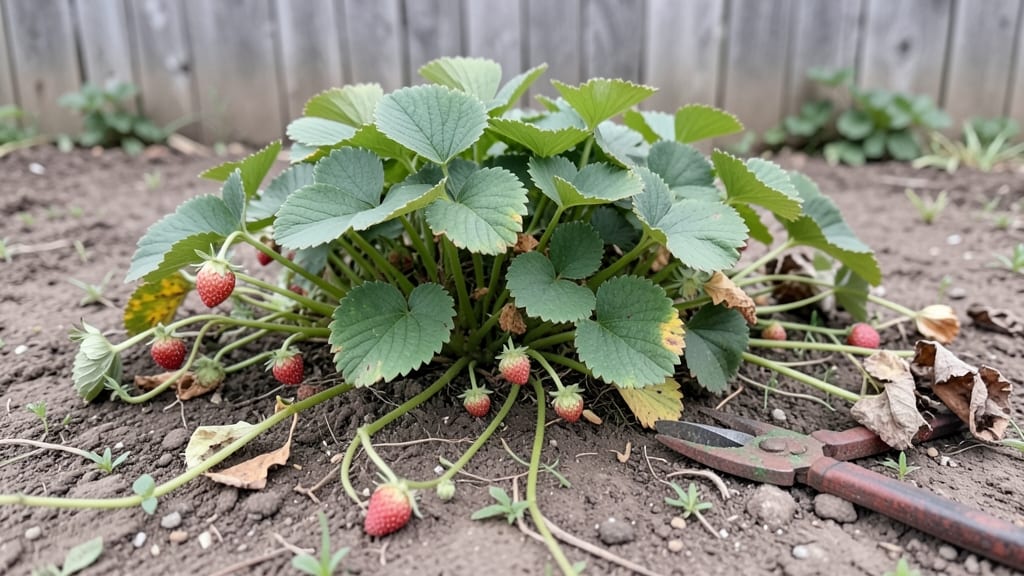
Pruning strawberry plants transforms a single harvest into a year-round bounty—if you do it right. I learned this the hard way after my first season, when I ignored the runners and dead leaves, only to watch my plants struggle to produce.
The secret isn’t complicated: three strategic cuts keep your berries coming while protecting the plant’s energy.
You’ll need sharp pruners, a pair of gloves, and about 20 minutes once you get the rhythm. The best time to prune depends on your climate—early spring for dormant plants, summer after harvest, and fall to clean up.
My garden journal tracks when I prune each variety, and I’ve found that June-bearing types need the most attention, while everbearing plants benefit from lighter cuts.
By focusing on removing old leaves, runners, and spent fruit, you’ll see healthier foliage and bigger berries within weeks. The plants redirect energy to new growth instead of maintaining dead material, and you’ll avoid the common mistake of over-pruning that stunts production.
Think of it like giving your strawberries a fresh start every season.
This method works equally well for backyard beds, raised planters, or even container-grown strawberries. The key is consistency—prune at the same times each year, and your plants will reward you with sweeter fruit and longer harvests. Let’s get those berries producing like never before!
📚 In This Guide
- What you need
- Instructions
- Tips and common mistakes
- Wrapping up and next steps
What you need
- ● Pruning shears or sharp scissors: A bypass pruner (clean, sharp blades) or small garden scissors—avoid dull tools to prevent crushing stems.
- ● Gloves: A pair of gardening gloves (nitrile or leather) to protect your hands from thorns and dirt.
- ● Disinfectant (70% isopropyl alcohol or bleach solution): 1 part bleach to 9 parts water—dip tools between cuts to prevent disease spread.
- ○ Garden twine or plant ties (optional): For securing sprawling runners to keep them off the ground.
- ● Compost or mulch: A small bag of organic mulch (straw or shredded leaves) to cover pruned areas and retain moisture.
- ● Watering can or hose: To hydrate plants after pruning (especially in dry climates).
- ● Timing: Prune in early spring (before new growth) or after harvest (late summer/fall). Avoid pruning during frost or extreme heat.
- ● Healthy plants: Only prune established strawberry plants (at least 1 year old) with visible runners or crowded foliage.
- ● Weather check: Choose a dry, overcast day to reduce stress on the plant.
- ● 💡 Lay down a tarp or newspaper beneath the plant to make cleanup easier.
- ● 🌡️ If temps are above 85°F (30°C), prune in the early morning or evening to avoid shocking the plant.
Step-by-Step guide to pruning strawberry plants for maximum yield
Pruning strawberries isn't just about cutting back—it's about redirecting energy to fruit production.
Remove Last Year's Fruit Stems After Harvest
After your first harvest season, locate the long, leafy stems that bore fruit—they're called "crowns." Use clean, sharp pruning shears to cut these stems back to the ground, about ½ inch above the soil line. This step is critical because old fruit stems drain energy from new growth.
I always prune these stems in late summer or early fall, just as the plants begin to slow down. You'll notice the remaining leaves will look healthier immediately after removing the old stems. This ensures your plants store energy in their roots for next year's growth.
Thin Out Overcrowded Crowns in Early Spring
In early spring, before new growth appears, examine your strawberry bed. Look for multiple crowns growing too close together—each crown should have at least 6 inches of space to prevent disease and competition. Use your pruning shears to remove the weakest or smallest crowns, cutting at the base.
Here's the thing—strawberries naturally produce multiple crowns, but too many leads to small, poor-quality berries. I usually leave 3-4 of the strongest crowns per plant and remove the rest. You'll see new, vibrant leaves emerging within 2-3 weeks after thinning.
Trim Excess Leaves to Improve Airflow and Light
Throughout the growing season, especially after heavy rains or when leaves look crowded, trim back any leaves that are touching the soil. Use your shears to cut these leaves at the base, ensuring they don't brush against the ground where they can rot. This step is often overlooked but prevents fungal diseases like gray mold.
I also remove any yellow or diseased leaves immediately—they're a sign of stress or infection. Focus on keeping the center of the plant open so sunlight reaches the crown. You'll notice an increase in flower production and larger berries after maintaining good airflow.
Cut Back Old Leaves After Second Harvest
After your second harvest of the year, the older leaves will start to yellow and die back. In late summer, cut these leaves back to ½ inch above the crown. This encourages new, vigorous growth that will produce next year's fruit. Don't worry—your plants won't look bare, but they'll be healthier in the long run.
This final pruning is about preparing your strawberries for dormancy. I always do this after the last harvest, around mid-to-late August, so the plants have time to recover before winter. You'll see fresh, green leaves emerging from the center of the plant within 3-4 weeks, signaling successful rejuvenation.
Tips & tricks for pruning strawberry plants
Pruning strawberries is where the real magic happens for a productive harvest—these techniques redirect energy to fruit production rather than just cutting back randomly.
Timing is Everything: The late summer or early fall timing for Step 1 is crucial because it allows plants to store energy in their roots before winter dormancy. I've seen plants that were pruned too early struggle through winter, while those pruned at the right time bounced back with vigor the following spring. For Step 4's late summer timing, mark your calendar for mid-to-late August to give plants adequate recovery time before cold weather sets in.
Precision Cutting Matters: When cutting back to ½ inch above the soil line in Step 1 or above the crown in Step 4, use clean, sharp pruning shears to make clean cuts. Dull shears can crush stems and invite disease. I always disinfect my shears between plants with rubbing alcohol to prevent spreading any potential pathogens. This small detail makes a big difference in plant health and recovery.
Visual Cues for Perfect Pruning: In Step 2, look for crowns that are at least 6 inches apart—this spacing prevents competition and improves air circulation. For Step 3, focus on leaves touching the soil or showing signs of disease; these are the ones to remove immediately. I've found that maintaining this open center allows sunlight to reach the crown, which directly translates to more flower production and larger berries.
Seasonal Maintenance Strategy: Throughout the growing season, make it a habit to check your strawberry beds after heavy rains. Wet leaves create perfect conditions for fungal diseases like gray mold, so prompt trimming in Step 3 is essential. I schedule weekly inspections during peak growing months to stay ahead of any potential issues and keep my plants thriving.
Pro Tips for Prune Strawberry Plants
- Pruning strawberries is where the real magic happens for a productive harvest—these techniques redirect energy to fruit production rather than just cutting back randomly.
- Timing is Everything: The late summer or early fall timing for Step 1 is crucial because it allows plants to store energy in their roots before winter dormancy.
- Precision Cutting Matters: When cutting back to ½ inch above the soil line in Step 1 or above the crown in Step 4, use clean, sharp pruning shears to make clean cuts.
Frequently asked questions
Got questions about pruning strawberries? You’re not alone—this step can feel tricky, but we’ve got answers! Here are some of the most common concerns gardeners have when tackling strawberry plant maintenance.
When is the best time to prune strawberry plants?
Prune June-bearing varieties right after they finish fruiting (late spring to early summer) and everbearing/day-neutral types in early spring and again after harvest. Avoid pruning during extreme heat or cold—aim for mild, dry days for faster recovery. Pro tip: If you’re unsure, wait until after the first frost for a clean slate!
Do I need special tools to prune strawberries?
Nope! Basic tools like sharp bypass pruners, clean scissors, or even your hands (for tiny runners) work great. Just sanitize your tools with rubbing alcohol between cuts to prevent disease. Warning: Avoid dull tools—they crush stems, inviting infections. A 5-inch pruner is ideal for most tasks.
What if I prune too much? Will my strawberries die?
Strawberries are resilient, but over-pruning can stress plants. Focus on removing only dead leaves, runners, and old fruit—never cut more than 1/3 of the foliage at once. If you’ve gone overboard, don’t panic: water deeply and fertilize lightly to help recovery. Think of it like a haircut—too short, and it grows back wild!
Can I prune strawberries in containers or hanging baskets?
Container-grown strawberries need the same pruning rules but with extra care. Since space is limited, prioritize removing only the runners (to keep plants compact) and trim dead leaves. Use small pruners for tight spots, and check for pests hiding in crevices post-prune.
My strawberries look sad after pruning—what’s wrong?
If leaves yellow (chlorosis), wilt, or develop spots, it’s often due to stress or disease. Check for:
If symptoms persist, reduce pruning next time and focus on soil health. Remember: A little prune goes a long way!
Wrapping up and next steps
Pruning your strawberry plants might seem like a small task, but it’s the secret to a bountiful, year-round harvest! 🌱 By mastering the three key cuts—removing spent runners, trimming old leaves, and pruning dead flowers—you’ll encourage healthier growth, bigger berries, and fewer pests.
Don’t let hesitation hold you back: grab your shears and get pruning!
Now that you’re armed with the know-how, take action this weekend—your future strawberry patches will thank you! For even more tips, explore our guide on strawberry care or share your pruning wins with fellow gardeners. Happy harvesting! 🍓✨