
How To
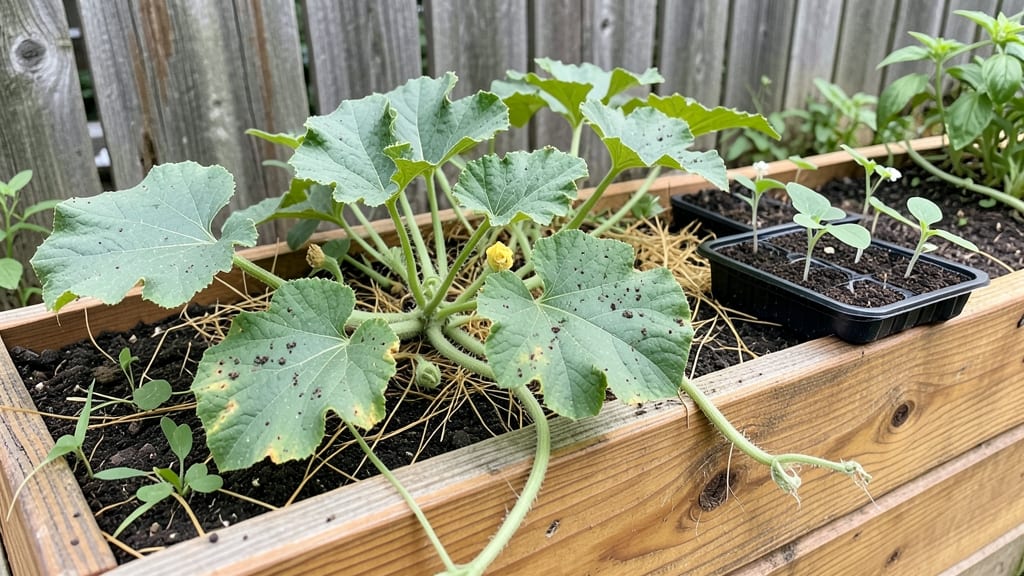
To plant Sugar Baby watermelon seeds 🍉 successfully, start with warm soil and the right timing—these small seeds pack a big punch when given the perfect conditions.
Struggling to get your Sugar Baby watermelon seeds to sprout? These fast-growing varieties demand precision—but with the right techniques, you can transform your garden into a sweet, vine-filled paradise in just weeks.
Unlike larger watermelon varieties, Sugar Baby watermelons mature in 70 days or less, making them ideal for smaller gardens or shorter growing seasons in USDA Zone 6a. The key lies in soil temperature, seed depth, and consistent moisture—all of which I’ll break down step by step.
By the end of this guide, you’ll know exactly when to plant, how deep to bury those tiny seeds, and the fastest tricks to ensure your seedlings pop up strong and healthy.

Optimal germination conditions for Sugar Baby watermelon seeds: soil, temperature & timing
Sugar Baby watermelon seeds are finicky—get the soil temperature, moisture, and timing wrong, and you’ll watch them rot instead of sprout. These tiny seeds need consistent warmth (70-90°F) and well-draining soil to break dormancy.
Without these, germination rates drop below 50%, leaving you staring at empty seed trays. I’ve learned the hard way: patience and precision are key when coaxing these sweet giants to life.
Your first step is testing soil temperature—never plant until it hits at least 70°F. Cold soil slows metabolism, causing seeds to rot before sprouting. Use a soil thermometer (they’re cheap!) to confirm conditions, especially in early spring.
I wait until late May in my Zone 6a garden to ensure success. Rushing leads to disappointment—trust the data, not the calendar.
Now, let’s talk soil prep. Sugar Baby watermelons thrive in loamy, fertile soil with a pH between 6.0-6.8. Amend heavy clay or sandy soil with compost or aged manure to improve drainage and nutrient retention.
I mix in a 5-10-10 fertilizer at planting time to give seedlings a nutrient boost. Avoid fresh manure—it can burn delicate roots and delay germination.
Here’s where many gardeners go wrong: seed depth. Plant Sugar Baby seeds 1 inch deep—any deeper, and they’ll struggle to break through the soil. I use my finger to make a small hole, drop 2-3 seeds inside (they’re tiny!), then cover lightly with soil.
Gently press the soil to ensure good contact, which helps moisture absorption. Overwatering here is just as bad as underwatering—keep the soil moist but not soggy.
To speed up germination, try soaking seeds overnight in lukewarm water. This softens the seed coat, helping roots emerge faster. I place them in a damp paper towel inside a sealed bag for 12-24 hours before planting.
Pro tip: Add a heat mat under seed trays if your soil is still cool. These mats maintain 80-85°F soil temps, cutting germination time from 10-14 days to just 5-7 days. It’s a game-changer for early spring plantings.
Timing is everything—plant too early, and cold snaps will kill seedlings. Aim for 2-3 weeks after your last frost date, when nighttime temps stay above 55°F. In my garden, that’s usually late April to early May.
If you’re in a warmer zone, start earlier, but never plant before soil warms. I mark my calendar with frost-free dates and set reminders to test soil temps weekly in spring.
Direct sowing is best for Sugar Baby watermelons—they hate transplanting. If you start indoors, use biodegradable pots to avoid root disturbance. Harden off seedlings for 7-10 days before moving them outdoors.
I place them in a shady spot during the day and bring them in at night for the first few days. Gradually increase their sun exposure to prevent shock. Transplanting too soon leads to stunted growth or even death.
Once planted, maintain consistent moisture—watermelon seeds need 1-2 inches of water per week. Use a drip irrigation system or soaker hose to keep soil evenly moist without disturbing seeds. I water in the early morning to reduce evaporation and fungal risks.
Avoid overhead watering, which can spread disease and wash away soil around delicate seedlings. Mulch with straw or black plastic to retain moisture and warmth.
Watch for sprouts in 5-7 days under ideal conditions. If you don’t see them by day 10, gently check the soil—seeds may have rotted due to overwatering or cold soil. I’ve replanted up to 3 times in a season to ensure success.
Patience pays off: once those first cotyledons appear, you’re on your way to a bountiful harvest of 4-8 pound watermelons in just 70-85 days.
Here’s my pro tip: If germination rates drop below 70%, try scarifying seeds by lightly sanding their outer shell with fine-grit sandpaper. This mimics natural wear and tear, helping seeds break dormancy faster.
I’ve seen germination rates jump from 60% to 85% with this trick. It’s a small effort for big rewards.
Finally, remember that light and warmth are your best friends during germination. Place seed trays in the sunniest spot in your garden or under grow lights if starting indoors. I use a south-facing windowsill for early starts, but supplement with LED lights if natural light is limited.
With these conditions mastered, you’ll be thinning seedlings and watching vines take over your garden in no time.