Propagation
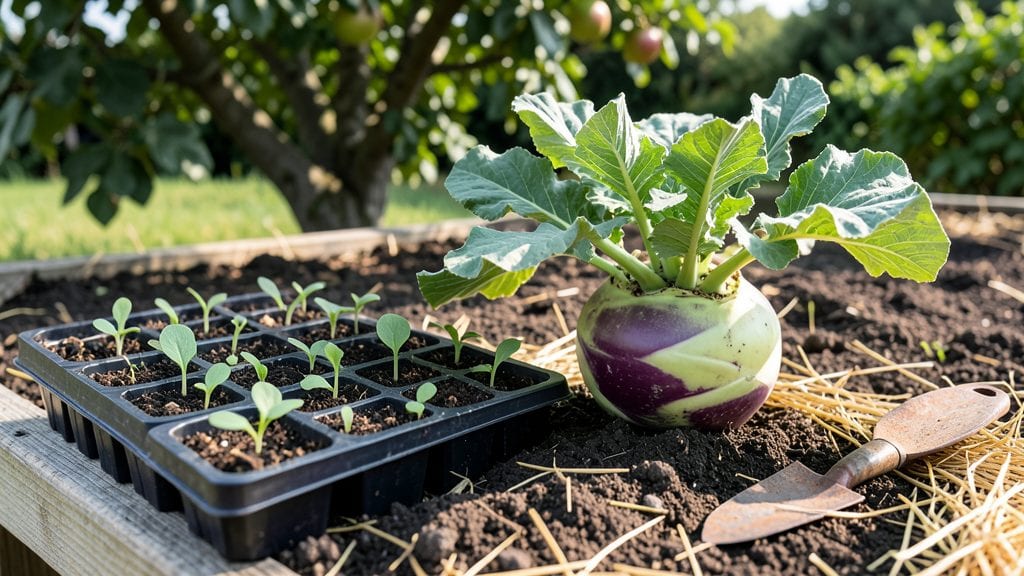
Planting kohlrabi seeds is the fastest way to jumpstart your garden—those little sprouts will push through the soil in just 3-5 days, turning your plot into a harvest in record time. 🌱 I’ve learned that the secret isn’t just the seeds themselves, but how you prep the soil. and space them right.
Too crowded, and you’ll fight for harvests; too sparse, and you waste space. The first step is loosening the soil where you’ll plant, mixing in compost for that rich, crumbly texture kohlrabi loves.
You’ll need a sunny spot with at least 6 hours of direct light daily, well-draining soil, and seeds planted just ½ inch deep. Space them 2 inches apart in rows that are 18 inches apart—this gives their bulbous stems room to swell without competing.
Water gently after planting, keeping the soil consistently moist but not soggy. Kohlrabi thrives in cool weather, so aim for spring or fall plantings in most climates.
What you’ll end up with is a compact, high-yield harvest—no sprawling vines or hidden pests. The bulbs stay tender and sweet when harvested young, and the leaves are edible too.
By midseason, you’ll be snipping greens for salads and pulling mature bulbs for roasting. The key is staying ahead of bolting—watch for flower stalks and harvest before they form.
Even in small gardens, kohlrabi delivers fast rewards—think 30-50 days from seed to harvest. It’s the perfect crop for beginners who want reliable results without waiting months.
If germination stalls, try soaking seeds overnight or adjusting soil moisture. Once you master this, you’ll wonder why you didn’t grow it sooner.
📚 In This Guide
- What you need
- Instructions
- Tips and common mistakes
- Wrapping up and next steps
What you need
- ● Kohlrabi seeds: 20-30 seeds (or 1 packet for home gardens)
- ● Seed-starting mix: 5-10 lbs (moisture-retentive, sterile blend)
- ● Seed trays or biodegradable pots: 2-4 inch deep (10-12 cells per tray)
- ● Grow lights or sunny windowsill: 6-8 hours of light daily (or outdoor space after last frost)
- ● Watering can or spray bottle: Fine mist setting for seedlings
- ○ Fertilizer (optional but recommended): Balanced organic fertilizer (5-10-5 ratio) or compost tea
- ● Garden soil (for transplanting): Well-draining, enriched with compost
- ● Garden bed or containers: At least 12 inches deep (or 5-gallon pots for container gardening)
- ● Seedling heat mat: Speeds up germination (70-75°F ideal)
- ● Plant labels: To track varieties and planting dates
- ● Row covers or cloches: Protects young plants from pests
- ● Mulch: Straw or shredded leaves to retain moisture
- ● pH testing kit: Ensures soil pH is 6.0-7.0 (kohlrabi’s sweet spot!)
Step-by-Step instructions for planting kohlrabi seeds
Here’s how to get your kohlrabi growing quickly—no waiting around for slow germination.
🌱 Step 1: Prepare the Soil for Fast Germination
Kohlrabi thrives in loose, nutrient-rich soil that warms up fast. Work in 2-3 inches of compost into the top 6 inches of soil to improve drainage and fertility. Kohlrabi roots are shallow, so avoid digging too deep—just loosen the top layer for tender roots to spread. Aim for a pH between 6.0 and 7.0; test your soil if you’re unsure, as alkaline soil can stunt growth.
Rake the surface smooth to create a fine seedbed. Kohlrabi seeds are tiny, so a level, firm surface prevents them from sinking too deep. Water the soil lightly until it’s evenly moist but not soggy—think of a wrung-out sponge. This ensures seeds stay hydrated without rotting.
🌱 Step 2: Sow Seeds at the Right Depth and Spacing
Kohlrabi seeds germinate best when planted ½ inch deep. Scatter them 1 inch apart in rows 12-18 inches apart—this spacing prevents overcrowding, which leads to small, tough bulbs. I like to use a small seed tray or a shallow container to organize the seeds before transplanting them into the garden, as their tiny size makes direct sowing tricky.
Cover the seeds lightly with soil, then mist the area gently with water. Avoid heavy watering, which can bury seeds too deep or wash them away. Place a small marker near the row to track growth—kohlrabi seedlings emerge quickly, but they’re easy to miss in dense plantings.
☀️ Step 3: Provide Warmth and Consistent Moisture
Kohlrabi seeds germinate fastest in soil temperatures between 60-70°F. Use a clear plastic dome or row cover to trap heat if your spring nights are still chilly. Remove it once sprouts appear to prevent overheating. Keep the soil consistently moist—never let it dry out, as young seedlings are delicate and can bolt (flower prematurely) if stressed.
You’ll see the first true leaves in 7-14 days, signaling it’s time to thin seedlings. Watch for 2 inches of growth before taking action—this ensures roots are established enough to handle disturbance. Use scissors to snip unwanted seedlings at soil level, leaving the strongest plants 4 inches apart.
🌿 Step 4: Thin and Fertilize for Compact Bulbs
Thinning isn’t just about spacing—it’s about giving each plant room to form those signature swollen stems. After thinning, side-dress the soil with 1 tablespoon of 5-10-10 fertilizer per plant, working it into the top 2 inches of soil. Kohlrabi is a heavy feeder, so regular feeding prevents bitter bulbs. Water at the base after fertilizing to activate nutrients without scorching leaves.
Mulch with 2 inches of straw to retain moisture and suppress weeds. Kohlrabi matures quickly, so keep the soil consistently damp but not waterlogged. You’ll know you’re on track when bulbs swell to 2-3 inches in diameter—this is the ideal harvest size for tender, sweet flavor.
⏰ Step 5: Harvest at Peak Maturity for Best Flavor
Kohlrabi is ready to harvest in 50-60 days from sowing, when bulbs reach 2-3 inches in diameter. Wait too long, and the stems turn woody and tough. Use a sharp knife to cut the bulb cleanly at soil level, leaving the leaves intact—they’ll continue producing for a few more weeks if you harvest carefully.
Store harvested bulbs in the fridge for up to 2 weeks or enjoy them fresh in salads, roasted, or raw. For a continuous harvest, sow new seeds every 2 weeks—this staggered approach ensures a steady supply all season long.
Tips & tricks for fast kohlrabi germination and compact growth
These insider strategies will help you skip the common pitfalls and get those kohlrabi bulbs swelling up in record time.
Soil Temperature Secret: While the instructions call for soil between 60-70°F, I've found that adding a black plastic mulch 3-4 days before planting raises soil temperature by 5-10°F—perfect for jumpstarting germination. This works especially well in cooler climates where spring soil warms slowly. Remove the mulch once seeds sprout to prevent overheating.
Seedbed Prep Technique: For the ½-inch seed depth mentioned in Step 2, I recommend using a fine-mesh strainer to sift compost over the prepared bed. This creates a perfectly level surface where tiny seeds won't sink too deep when you cover them. Press down gently with your hand after sowing to ensure good seed-to-soil contact—this simple step can double your germination rate.
Thinning Timing Strategy: The 2-inch growth threshold before thinning is perfect, but I've learned to watch for the third true leaf as a more reliable indicator. At this stage, roots are established enough to handle disturbance without shock. Use clean scissors to avoid damaging remaining plants, and snip at soil level to prevent disease entry points.
Fertilizer Application Hack: When side-dressing with 1 tablespoon of 5-10-10 fertilizer per plant in Step 4, I mix it with ½ cup of compost per plant (optional) to buffer potential burn risk. Water thoroughly after application, focusing on the soil surface rather than the leaves to prevent scorching. This combo gives you both quick nutrients and long-term soil improvement.
Pro Tips for Planting Kohlrabi Seeds
- These insider strategies will help you skip the common pitfalls and get those kohlrabi bulbs swelling up in record time.
- Soil Temperature Secret: While the instructions call for soil between 60-70°F, I've found that adding a black plastic mulch 3-4 days before planting raises soil temperature by 5-10°F—perfect for jumpstarting germination.
- Seedbed Prep Technique: For the ½-inch seed depth mentioned in Step 2, I recommend using a fine-mesh strainer to sift compost over the prepared bed.
Frequently asked questions
Got questions about planting kohlrabi seeds? You’re not alone—this fast-growing veggie can be tricky for beginners! Here are answers to the most common queries to help you grow like a pro.
When is the best time to plant kohlrabi seeds?
Kohlrabi thrives in cool weather, so plant seeds 4–6 weeks before your last frost date in spring or 8–10 weeks before your first fall frost. Avoid extreme heat (above 75°F/24°C), as it causes bolting. In warm climates, opt for fall planting or use shade cloth to keep soil cool.
How long does it take for kohlrabi seeds to germinate?
Kohlrabi seeds germinate quickly—usually in 5–10 days in ideal conditions (60–70°F/15–21°C soil temp). For faster results, soak seeds overnight before planting or use a seedling heat mat. Patience pays off! Thin seedlings to 4–6 inches apart once true leaves appear.
Can I plant kohlrabi seeds indoors first?
Yes! Start seeds indoors 3–4 weeks before transplanting if your growing season is short. Use biodegradable pots to avoid root disturbance. Harden off seedlings for 7–10 days before moving them outside. Pro tip: Kohlrabi hates transplant shock, so keep soil consistently moist during the transition.
What pests or diseases should I watch for?
Kohlrabi is prone to cabbage worms, flea beetles, and aphids. Use row covers early to deter pests. Rotate crops yearly to prevent clubroot disease. If leaves yellow or wilt, check for downy mildew—remove affected plants and improve airflow. Neem oil is a great organic remedy!
What can I grow instead of kohlrabi if it’s too tricky?
If kohlrabi seems too finicky, try these easy alternatives with similar harvests:
- Turnips (fast-growing, edible greens + roots)
- Radishes (super quick, great for beginners)
- Daikon radishes (milder, larger harvest)
- Broccoli raab (cool-season, pest-resistant)
Wrapping up and next steps
Planting kohlrabi seeds is a rewarding experience—whether you're a seasoned gardener or just starting out!
With fast germination (just 4-7 days!) and a compact, space-saving harvest, this versatile veggie is perfect for small gardens, containers, or even urban plots. 🌱 The key is patience, consistency, and a little love for your green babies as they grow.
Now that you’re armed with the right tools, timing, and tips, it’s time to roll up your sleeves and get planting! Start with a few seeds, experiment with varieties, and watch your garden transform. Happy growing—your future kohlrabi feasts await! 🥬✨