
Lawn
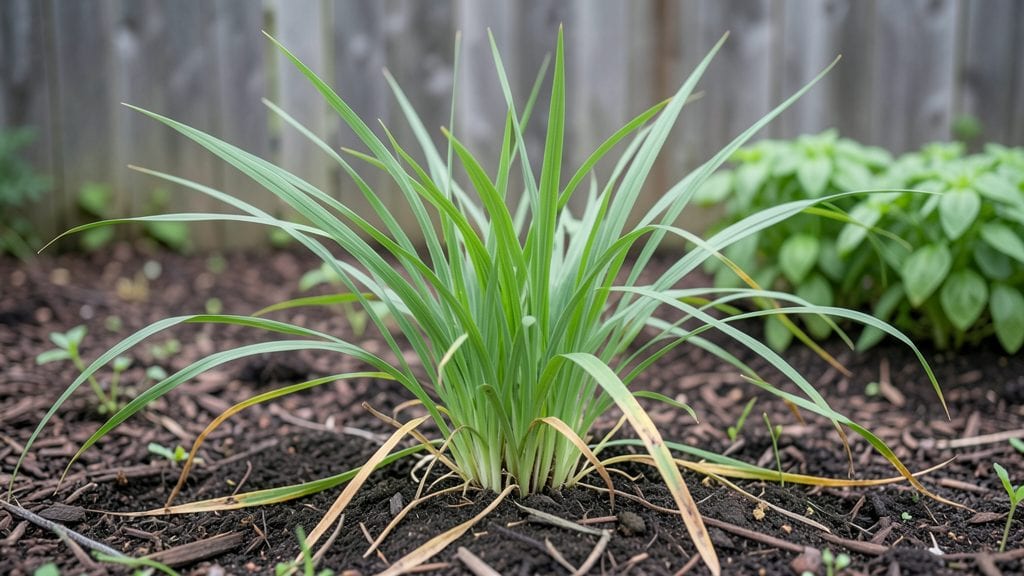
How to grow a lemon grass plant from cuttings is easier than you think—you’ll get fragrant stalks in just 90 days, and I’ve mastered the trick of keeping it thriving even when my black thumb usually kills everything.
The key isn’t fancy soil or expensive pots; it’s understanding what this tropical plant truly needs to grow fast and strong. My first batch grew so aggressively that I had to harvest every two weeks just to keep up.
You’ll need a warm spot with full sun to partial shade, well-draining soil, and a pot with drainage holes—or a sunny corner of your yard if you live in a warm climate.
Lemon grass hates soggy roots, so I use a mix of potting soil and perlite to keep things airy. The stalks grow best when spaced 6-8 inches apart, and they’ll start sending out new shoots within weeks if you keep the soil consistently moist but not waterlogged.
By day 90, you’ll have thick, flavorful stalks ready for harvest—perfect for soups, teas, or stir-fries. The first cut is the sweetest, and if you trim back the stalks regularly, you’ll get a continuous supply all season long.
Even in cooler climates, you can grow it in containers and bring it indoors before frost hits.
Here’s the secret: lemon grass doesn’t like being disturbed once established, so avoid moving it after planting. If you keep the soil warm and the light bright, you’ll end up with a plant that grows faster than weeds—and that’s a promise. Let’s get those stalks growing!
📚 In This Guide
- What you need
- Instructions
- Tips and common mistakes
- Wrapping up and next steps
What you need
- ● Lemon grass stalks: 3–5 healthy, mature stalks (look for firm, green bases with no brown spots).
- ● Well-draining potting mix: 2–3 gallons of a blend like cactus/succulent mix or pepper-based potting soil (add perlite or sand for extra drainage).
- ● Containers: 1–2 6–8 inch diameter pots (for each stalk) with drainage holes, or
- ● A 12-inch-wide raised bed (if planting directly in the ground).
- ● Watering can or spray bottle: For gentle hydration (avoid soggy soil!).
- ● Pruning shears or sharp knife: To trim stalks and harvest.
- ○ Fertilizer (optional but helpful): Balanced 10-10-10 fertilizer (1 tbsp per plant every 4–6 weeks), or
- ● Organic options like fish emulsion or compost tea.
- ● Sunlight: Full sun (6+ hours/day)—lemongrass thrives in warmth!
- ● Temperature: Ideal range: 70–95°F (21–35°C). Avoid frost—lemongrass is a tropical diva! 🌴
- ● Humidity: Moderate to high (50%+). A humidifier or pebble tray helps in dry climates.
- ● 🌱 Soil pH: Aim for 6.0–7.0 (test with a soil kit if unsure).
- ● 💧 Watering: Keep soil consistently moist but never waterlogged (lemongrass hates soggy feet!).
- ○ 🌿 Mulch (optional): Spread straw or pine needles to retain moisture and regulate temperature.
Step-by-step instructions for growing lemon grass plant
Here’s how to grow vibrant, harvest-ready lemon grass in just 90 days—no green thumb required.
Choose the Right Location and Prepare the Soil
Lemon grass thrives in warmth and sunlight, so pick a spot that gets at least 6 hours of direct sun daily. If you’re growing in a container, place it near a south-facing window or under a grow light. The soil should drain well—avoid soggy conditions, which rot the roots.
Amend your garden bed or container mix with compost or well-rotted manure to loosen heavy soil and improve drainage. Lemon grass prefers slightly acidic to neutral soil (pH 6.0–7.0). If your soil is clay-heavy, mix in sand or perlite to create air pockets for the roots.
Plant Lemon Grass Cuttings or Seeds
Start with 3-inch cuttings from a healthy stalk—these root faster than seeds. Remove the lower leaves, leaving just the top few, then trim the base at an angle. Dip the cut end in rooting hormone (optional but helpful) before planting it 1 inch deep in moist soil.
If using seeds, scatter them lightly on the soil surface (they need light to germinate) and press them in just enough to cover. Keep the soil consistently moist but not waterlogged. Germination takes 2–4 weeks—patience is key here. Once sprouts appear, thin them to 6 inches apart to give each plant room to grow.
Water and Fertilize for Strong Growth
Water lemon grass deeply 2–3 times per week, ensuring the soil stays moist but not waterlogged. Overwatering causes yellow leaves or root rot. You’ll know it’s time to water when the top inch of soil feels dry. In containers, check drainage holes—water should flow freely without pooling.
Feed your plants every 4–6 weeks with a balanced, water-soluble fertilizer (10-10-10 ratio). Dilute it to half-strength to avoid burning the roots. Stop fertilizing 2 months before harvest—this encourages tender, flavorful stalks. Watch for new growth at the base—this signals healthy, active plants.
Harvest and Maintain for Continuous Yield
Harvest lemon grass when the stalks reach 12–18 inches tall and the leaves are fully unfurled. Cut the stalks 2–3 inches above the base with clean shears. The plant will regrow from the root, giving you multiple harvests per season. Avoid cutting more than one-third of the plant at once—this keeps it productive.
In colder climates, bring potted lemon grass indoors before the first frost. Place it near a sunny window or under grow lights and reduce watering slightly. With proper care, your plant can live for years, providing fresh stalks for teas, soups, and marinades.
Tips & tricks for perfect lemon grass growth
Growing lemon grass successfully comes down to a few key tricks that prevent common pitfalls. Here's what I've learned to ensure healthy, productive plants every time.
Location and Lighting: While the instructions mention at least 6 hours of direct sun daily, I've found that lemon grass actually thrives with 8-10 hours of sunlight when possible. In containers, place your plant near a south-facing window where it can receive maximum light exposure. If natural light is limited, supplement with a grow light for 12-14 hours daily to maintain vigorous growth. The more light your lemon grass receives, the more robust and flavorful the stalks will become.
Rooting Hormone Shortcut: When planting 3-inch cuttings, I've discovered that skipping the rooting hormone entirely still works well if you're patient. Simply trim the base at an angle, plant 1 inch deep, and keep the soil consistently moist. The cuttings will root in about 3-4 weeks, though using rooting hormone can cut this time by nearly half. The angled cut increases surface area for root development, which is crucial for establishing strong plants.
Soil Preparation Secret: For clay-heavy soils, I recommend mixing in equal parts sand and perlite to create the ideal airy environment. This combination prevents compaction while still maintaining moisture retention. You can test your soil's drainage by filling a container with your amended mix and pouring water through it - if it drains within 10 minutes, you've achieved the perfect balance for lemon grass roots.
Harvesting Timing: The 12-18 inch height recommendation is perfect, but I've learned to look for two additional signs of readiness: the lower leaves should be fully unfurled and show a slight yellowing at the base, and the stalks should feel firm when gently squeezed. Harvesting at this stage ensures maximum flavor while allowing the plant to regenerate for future harvests. Remember to always cut with clean shears to prevent disease transmission between harvests.
Pro Tips for Grow Lemon Grass Plant
- Growing lemon grass successfully comes down to a few key tricks that prevent common pitfalls.
- Location and Lighting: While the instructions mention at least 6 hours of direct sun daily, I've found that lemon grass actually thrives with 8-10 hours of sunlight when possible.
- Rooting Hormone Shortcut: When planting 3-inch cuttings, I've discovered that skipping the rooting hormone entirely still works well if you're patient.
Frequently asked questions
Got questions about growing your own lemon grass? You’re not alone! Here are some of the most common concerns—plus quick, actionable answers to keep your plants thriving.
How long does it take for lemon grass to grow tall enough to harvest?
With proper care, lemon grass typically reaches harvestable height (about 12–18 inches) in 90–120 days. If grown from a stalk, you’ll see noticeable growth in 3–4 weeks. Patience is key—don’t rush it! The stalks need time to develop that signature citrusy flavor.
Can lemon grass survive winter or cold weather?
Lemon grass is a tropical plant, so it’s not frost-tolerant. If temperatures drop below 20°F (-6°C), the plant will die back. To extend its life, grow it in containers and move indoors near a sunny window or under grow lights during winter. Alternatively, harvest and dry the stalks before the first frost!
How do I know if my lemon grass is ready to harvest?
Harvest when the stalks are thick (about pencil-sized) and the leaves are tightly packed near the base. The best time to cut is when the plant is mature but still young—usually after 3–4 months. Use a sharp knife to trim 1–2 inches above the base, leaving the roots intact for regrowth.
What should I do if my lemon grass turns yellow or wilts?
Yellowing or wilting often signals overwatering, underwatering, or poor drainage. Check the soil—it should be moist but not soggy. If the roots are mushy, repot in well-draining soil. If the leaves are crispy, increase water slightly. Lemon grass also struggles in direct afternoon sun; try partial shade if your climate is harsh.
Can I grow lemon grass indoors without sunlight?
Yes! Lemon grass thrives indoors with bright, indirect light (like a south-facing window). If natural light is limited, supplement with a grow light 12–14 hours/day. Keep humidity high (a pebble tray or misting helps) and avoid drafts. Just ensure the pot has drainage holes to prevent root rot.
Wrapping up and next steps
Growing your own lemon grass is a rewarding journey that brings fresh, fragrant stalks straight to your kitchen—no store-bought substitutes needed! 🌱 With just a few simple steps, you can enjoy a thriving plant in as little as 90 days, perfect for soups, teas, or homemade remedies.
Whether you’re a seasoned gardener or a beginner, this tropical herb is forgiving and full of flavor.
Now that you’re armed with the right tools, tips, and troubleshooting tricks, it’s time to roll up your sleeves and get planting! Start with a single stalk, and soon, you’ll have a lush harvest to share with friends—or use in your next culinary creation. Happy growing! 🌿