
Vegetables
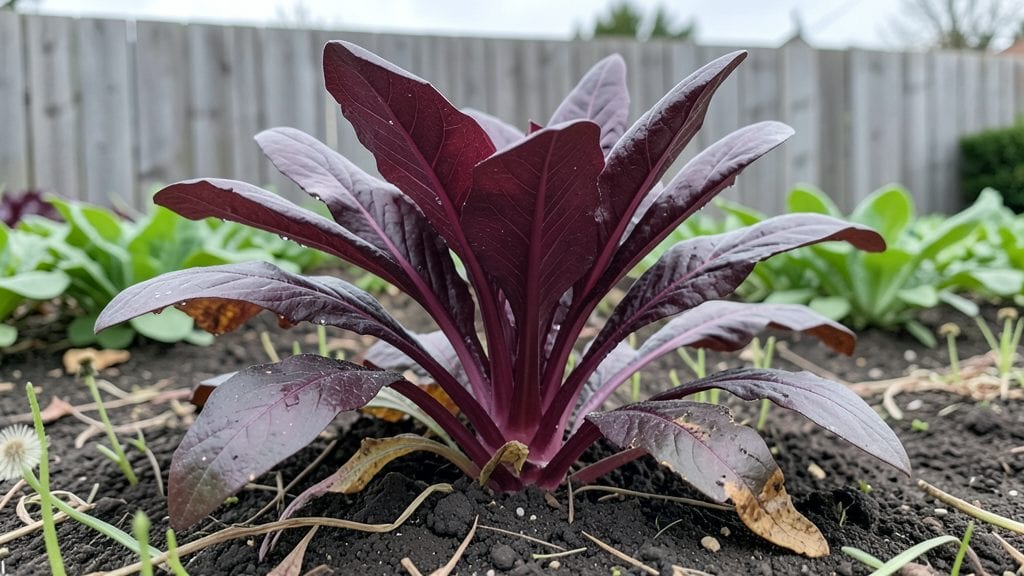
This vibrant red romaine plant thrives in your garden, offering restaurant-quality greens straight to your plate—60 days faster than store-bought. I’ve grown this variety for three seasons now, and the deep red leaves hold their crisp texture even in summer heat, making it my go-to for salads and sandwiches.
The secret lies in timing, soil prep, and consistent moisture, but once you master it, you’ll never buy lettuce again.
The key to success starts with cool-season timing: plant seeds 4-6 weeks before your last frost in early spring or again in late summer for fall harvests. Use well-draining soil with compost mixed in, and keep seedlings in partial shade until they’re 3-4 inches tall.
Containers work beautifully—just ensure they’re at least 6 inches deep and have drainage holes to prevent root rot. Most gardeners overlook the importance of consistent moisture, but red romaine thrives when soil stays evenly damp, not soggy.
By day 60, you’ll harvest bold, crunchy leaves that stay vibrant longer than iceberg or butter lettuce. The flavor is peppery with a sweet undertone, perfect for raw salads or lightly wilted dishes.
To keep production going, succession-plant seeds every 2-3 weeks, and you’ll enjoy fresh harvests all season. The plants also tolerate light frost, extending your growing window even further.
For container growers, choose compact varieties like ‘Red Sails’ and place pots where they get 4-6 hours of morning sun—afternoon shade prevents bolting. If pests like aphids or slugs become an issue, spray with soapy water or use row covers until harvest.
With proper care, you’ll end up with greens so fresh and flavorful, your neighbors will ask where you buy them.
📚 In This Guide
- What you need
- Instructions
- Tips and common mistakes
- Wrapping up and next steps
What you need
- ● Red Romaine Seeds: 1 packet (about 50-100 seeds, non-GMO preferred for best flavor).
- ● Seed Starting Mix: 1 bag (5-10 quarts, sterile and lightweight).
- ● Growing Containers: Option 1: 2-3 biodegradable seedling pots (2-3 inches deep) or
- ● Option 2: 1 shallow tray with drainage holes (10x20 inches).
- ● Grow Lights or Sunny Window: 6-8 hours of direct sunlight daily or a full-spectrum LED grow light (12-16 hours/day for seedlings).
- ● Watering Can or Spray Bottle: With a gentle spray nozzle for even moisture.
- ● Fertilizer: Balanced liquid fertilizer (5-5-5 NPK ratio) or compost tea for organic growth.
- ● Transplanting Supplies (if direct sowing): 1-2 gallon pots or garden bed (12-18 inches deep, well-draining soil).
- ○ Garden gloves (optional but helpful!).
- ● Pruning Shears: Small, sharp scissors for harvesting outer leaves.
- ● pH Test Kit: To check soil pH (ideal range: 6.0-7.0 for romaine).
- ● Mulch: Straw or shredded leaves to retain moisture.
- ○ Support Stakes (optional): 1-2 bamboo stakes if growing tall varieties.
- ● Plant Labels: To track planting dates and varieties.
Step-by-Step guide to growing red romaine lettuce
Here’s how to grow vibrant, crisp red romaine lettuce in just two months—perfect for fresh salads year-round.
Prepare Your Growing Space and Soil
Choose a location with partial shade to full sun (at least 4-6 hours of sunlight daily). Red romaine prefers cooler temperatures, so avoid planting in hot summer months—it’ll bolt quickly. If growing in containers, use the 5-gallon pots from your materials list, as they provide enough room for strong root development.
Fill the pots or garden bed with 2 bags of potting mix, spreading it evenly to create a loose, aerated surface. Work in 1 cup of compost to enrich the soil—this ensures your lettuce gets the nutrients it needs without being overwhelmed. The goal is a mix that’s light enough for young roots to push through but holds moisture well. Gently press down to remove air pockets, then water lightly to settle the soil.
Sow the Seeds at the Right Depth
Scatter 1 packet of red romaine seeds evenly across the surface, spacing them about 1 inch apart. Press them lightly into the soil with your fingers—just enough to cover them with ¼ inch of potting mix. Avoid burying them too deep, as they need light to germinate. If sowing in a garden bed, create shallow furrows ½ inch deep and space rows 12 inches apart for easy access.
Mist the soil with a spray bottle until it’s evenly moist but not soggy. Place a clear plastic dome over the pots or cover the garden bed with 1 square foot of row cover to retain warmth and humidity. Keep the soil consistently damp—not wet—until germination, which typically takes 7-14 days. Watch for tiny green sprouts peeking through the soil; this is your cue to remove the cover and let them breathe.
Thin Seedlings for Stronger Growth
Once seedlings reach 2 inches tall, thin them to 4 inches apart in pots or 6 inches apart in garden beds. Use a small pair of scissors to snip unwanted seedlings at soil level—this prevents disturbing the roots of the remaining plants. Thinning ensures each plant has enough space to develop broad, crisp leaves without competing for nutrients.
Water the seedlings 1 inch deep every 2-3 days, keeping the soil consistently moist but never waterlogged. Red romaine hates soggy roots, which can lead to rot. If growing in pots, place a drip irrigation tube near the base to deliver water slowly and evenly. You’ll know moisture is right when the top inch of soil feels damp but not clingy.
Provide Ideal Light and Temperature
Move your pots to a spot with bright, indirect light if they were previously in shade. Red romaine thrives in 60-70°F temperatures—if nights dip below 50°F, cover the plants with 1 square foot of row cover to protect them. If growing indoors, place the pots under a grow light for 12-14 hours daily, keeping it 6-12 inches above the plants to prevent leggy growth.
Rotate the pots a quarter turn weekly so all sides of the plants receive equal light. You’ll notice leaves growing toward the light—this is normal, but consistent rotation keeps them upright and uniform. Avoid fertilizing during this stage; the compost you mixed in earlier provides enough nutrients for now.
Harvest for Crisp, Flavorful Leaves
Begin harvesting the outer leaves when they reach 4-6 inches long, using clean scissors to cut just above a leaf node. This encourages the plant to produce more leaves while keeping it productive. For a full head of romaine, wait until the plant reaches 8-10 inches tall—you’ll see tightly packed, deep red leaves ready for picking.
Harvest in the morning for the crispest texture, and store the leaves in a plastic bag with a paper towel to absorb moisture. Keep them in the refrigerator for up to 5 days. If your plants bolt (send up a flower stalk) before reaching maturity, harvest the leaves quickly—they’ll still be tender and flavorful, but the bitterness increases as the plant matures.
Tips & tricks for perfect red romaine lettuce
A few simple tricks will help you grow the crispest, most flavorful red romaine lettuce possible. These are the lessons I learned after watching my first batch bolt before reaching full maturity.
Seed Depth Matters: When sowing your red romaine seeds in Step 2, resist the urge to bury them too deeply. The instructions call for just ¼ inch of potting mix coverage, and this is critical—seeds need light to germinate. I once buried mine ½ inch deep (thinking they'd need more protection) and ended up with a 30% lower germination rate. Press them lightly with your fingers so they're just covered, then mist gently.
Temperature Control is Everything: Red romaine thrives between 60-70°F, as mentioned in Step 4, but nighttime temperatures below 50°F can cause serious problems. I learned this the hard way when my first batch sent up flower stalks after a cold snap. If you're growing in containers, move them to a protected location or cover with row cover when nighttime temps drop below 50°F. For indoor growers, keep those grow lights running for the full 12-14 hours daily—the consistent light helps maintain stable temperatures.
Thinning Technique: When thinning your seedlings in Step 3, use sharp scissors to snip at soil level rather than pulling seedlings by hand. This prevents disturbing the roots of your remaining plants. I made the mistake of pulling seedlings and ended up with stunted growth in the remaining plants. Also, thin gradually—don't remove all the weak seedlings at once. Spread it out over 2-3 days to reduce stress on your plants.
Harvesting Strategy: For continuous harvests, begin cutting outer leaves when they reach 4-6 inches in Step 5, but leave the inner leaves intact. This might seem counterintuitive, but it actually encourages your plant to produce more leaves. I've had plants continue producing for months using this method, while my first attempt of harvesting whole heads resulted in plants that quickly bolted after just one harvest.
Pro Tips for Red Romaine Plant
- A few simple tricks will help you grow the crispest, most flavorful red romaine lettuce possible.
- Seed Depth Matters: When sowing your red romaine seeds in Step 2, resist the urge to bury them too deeply.
- Temperature Control is Everything: Red romaine thrives between 60-70°F, as mentioned in Step 4, but nighttime temperatures below 50°F can cause serious problems.
Frequently asked questions
How long does it take for red romaine to grow from seed?
Red romaine typically takes 60–70 days to reach maturity from seed, depending on your climate and growing conditions. If you’re starting with transplants, you’ll shave off about 2–3 weeks of that time. For a continuous harvest, succession plant seeds every 2–3 weeks during warm months.
Can red romaine survive frost?
Young seedlings are frost-sensitive, but mature red romaine can tolerate light frosts (down to 25–30°F) without major damage. For early spring or fall planting, use row covers or wait until soil temps hit 40°F at night. If frost hits, harvest outer leaves first—the core often recovers!
What’s the best way to harvest red romaine to keep it growing?
Harvest by cutting the outer leaves (about 1/3 of the plant) with clean scissors, leaving the inner growth intact. Avoid pulling leaves—this stresses the plant. For a full head, cut at the base when the plant is 10–12 inches tall. Pro tip: Harvest in the morning for the crispest, most flavorful leaves!
What can I plant instead of red romaine if I don’t have space?
If space is tight, try these low-maintenance alternatives:
- Baby leaf arugula (ready in 30 days)
- Swiss chard (cut-and-come-again harvest)
- Spinach (cold-hardy, great for containers)
- Kale (tolerates heat and cold, nutrient-packed)
Why are my red romaine leaves turning yellow or wilted?
Yellowing leaves often signal overwatering or nutrient deficiency. Wilting can mean underwatering or root stress. Check soil moisture (it should be damp but not soggy) and ensure proper drainage. Yellow edges? Likely calcium deficiency—add crushed eggshells or lime to the soil. Pest alert: Inspect for aphids or slugs if damage is irregular.
Wrapping up and next steps
Growing your own red romaine plant is a rewarding journey that brings bold, crisp greens straight to your kitchen in just 60 days! 🌱 Whether you're a beginner or a seasoned gardener, this vibrant leafy green adds a pop of color and nutrition to your meals—plus, it’s a satisfying way to connect with nature.
Now that you’ve got the know-how, why not plant a few seeds this weekend and enjoy the fresh, homegrown harvest? Your taste buds (and dinner plate) will thank you!
Pro tip: Share your progress with fellow gardeners or tag us—we love seeing your green thumbs in action! 🌿