Pruning
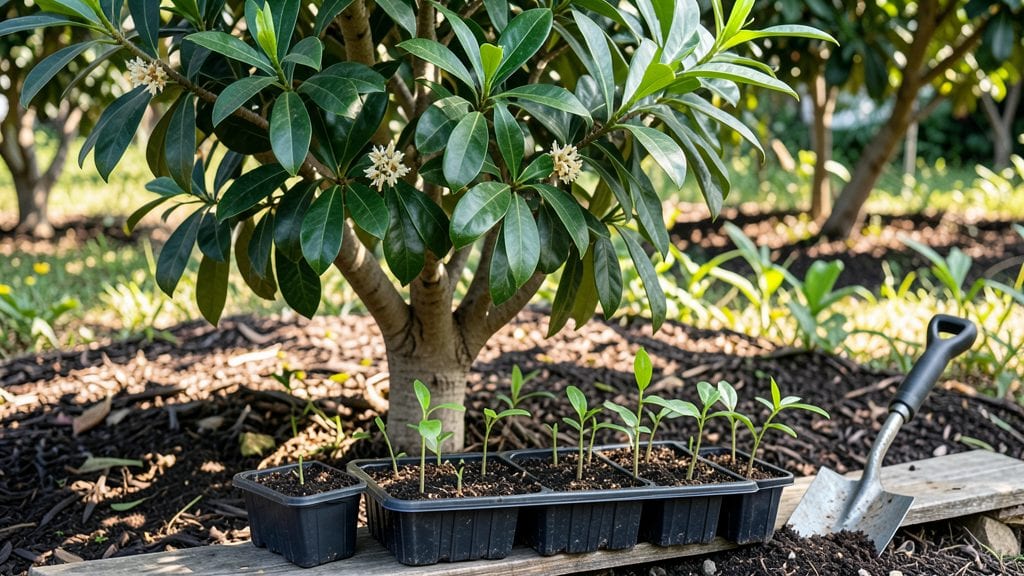
Planting a lychee tree in your backyard means sweet, fragrant fruit within a decade—if you nail the climate and soil from day one. 🌱 I learned the hard way that lychees won’t tolerate frost or heavy clay, but once you match their needs, they reward you with glossy leaves and delicate blossoms that smell like honey.
The secret starts with the right start: saplings from a nursery (not seeds) give you fruit in 5-7 years, while seed-grown trees take 10+ years—and may never produce.
You’ll need well-draining soil mixed with compost, a sunny spot with no shade afternoons, and a frost-free zone (USDA 10-12). The first year is all about roots—water deeply but rarely, and mulch to keep moisture steady.
By year three, you’ll see vigorous growth and the first white flowers—each one a promise of future harvests. The key is patience: lychees grow slowly but live for decades, becoming the centerpiece of your tropical garden. With proper care, your tree could bear fruit for 50 years or more.
For container growers, choose dwarf varieties and larger pots (at least 15 gallons), but know they’ll need winter protection in marginal zones. The payoff? Juicy, aromatic fruit you’ll never find in stores—grown by your own hands.
📚 In This Guide
- What you need
- Instructions
- Tips and common mistakes
- Wrapping up and next steps
What you need
- ● Lychee Tree: 1 sapling (3–6 months old) or grafted tree (for faster fruiting)
- ○ Optional: Seeds (if starting from scratch—expect longer wait times for fruit!)
- ● Soil: Well-draining, slightly acidic soil (pH 5.5–6.5)
- ● 50% native soil + 50% organic matter (compost, coconut coir, or peat moss)
- ● Fertilizer: Balanced fertilizer (10-10-10) or citrus-specific fertilizer (1 lb per tree)
- ● Slow-release organic fertilizer (e.g., worm castings or banana peel tea)
- ● Tools: Trowel or shovel (for digging)
- ● Pruning shears (sterilized with rubbing alcohol)
- ● Garden gloves (to protect from thorns!)
- ● Watering can or hose (with spray nozzle)
- ○ Optional: Mulch (straw or wood chips, 2–3 inches thick)
- ● Climate: Lychees thrive in USDA Zones 10–12 (or container-grown in cooler zones with winter care).
- ● Sunlight: Full sun (6+ hours daily).
- ● Space: Mature trees need 20–30 feet of width (dwarf varieties: 10–15 feet).
- ● Water Access: Drip irrigation or a water source nearby (lychees hate soggy roots!).
- ● Patience: Saplings take 3–5 years to bear fruit; grafted trees may fruit sooner!
Step-by-step instructions for planting a lychee tree
Here's how to give your lychee tree the perfect start—even in less-than-tropical climates.
🌱 Step 1: Choose the Right Location and Prepare the Soil
Lychees thrive in well-draining, slightly acidic soil with a pH between 5.0 and 6.5. If your yard has heavy clay, mix in 3-4 inches of organic compost and 2-3 inches of coarse sand to improve drainage. I always dig a hole twice as wide as the root ball but only as deep as the container it came in—planting too deep suffocates the roots.
Pick a spot with full sun exposure (6+ hours daily)—lychees are tropical and won’t tolerate shade. In colder climates, plant near a south-facing wall or use a large container so you can move it indoors during frost. Test your soil’s pH before planting; if it’s too alkaline, amend with sulfur or peat moss to lower it gradually.
🪴 Step 2: Plant the Tree and Water Thoroughly
Gently remove the lychee tree from its container and loosen any circling roots with your fingers. Place it in the hole so the top of the root ball sits 1-2 inches below soil level—this prevents the trunk from rotting when water pools during heavy rains. Backfill with native soil mixed with 1 cup of slow-release fertilizer, tamping lightly as you go.
Water deeply right after planting—5-7 gallons—until moisture seeps 6 inches down. You’ll see the soil settle naturally; don’t compact it further. Mulch the base with 2-3 inches of wood chips, keeping the mulch 6 inches away from the trunk to avoid rot. This retains moisture and regulates soil temperature, which is critical for young trees.
☀️ Step 3: Protect and Maintain for First-Year Growth
For the first 3-4 months, keep the soil consistently moist but never soggy—lychees hate wet feet. Water 2-3 times weekly in hot weather, checking 2 inches down with your finger before adding more. If your area gets below 30°F, wrap the trunk in burlap or frost cloth and cover the root zone with straw mulch to insulate it.
Fertilize lightly once in early spring with a balanced 10-10-10 formula (follow package rates). Over-fertilizing stresses young trees. Prune only to remove dead or crossing branches—lychees flower on new growth, so aggressive pruning reduces fruiting potential. Watch for scale insects or spider mites; treat early with neem oil to avoid infestations.
⏰ Step 4: Adjust Care as the Tree Matures
After 2-3 years, your lychee will need more frequent deep watering (every 10-14 days) during dry spells. In USDA Zones 9-11, trees fruit reliably; in cooler zones, grow in large containers (15+ gallons) and bring indoors when temperatures drop below 40°F. Pollinate by hand if bees are scarce—lychees need cross-pollination for fruit set.
Harvest when the fruit easily detaches from the tree and the skin turns light brown. Ripening continues after picking, so don’t wait too long. Store unripe lychees at room temperature until they soften, then refrigerate. With patience, your tree will reward you with sweet, aromatic fruit in 5-7 years—worth every step!
Tips & tricks for planting a lychee tree
Here's what I've learned after helping friends grow lychees in non-tropical climates—these tricks make all the difference for long-term success.
Soil Prep Secret: When amending heavy clay soil, I mix in 3-4 inches of organic compost and 2-3 inches of coarse sand right in the hole before planting. This creates a perfect drainage zone around the roots. Pro tip: Test your soil's pH before planting—if it's above 6.5, add sulfur or peat moss a few weeks ahead of time to lower it gradually. The goal is that 5.0-6.5 range where lychees thrive.
Planting Depth Matters: That 1-2 inches below soil level guideline in Step 2 is crucial—it prevents the trunk from rotting during heavy rains. I've seen new growers plant too deep, which suffocates the roots. After planting, gently firm the soil around the base but don't compact it—you want air pockets for root establishment.
Cold Climate Protection: For areas that dip below 30°F, I wrap the trunk in burlap and cover the root zone with straw mulch. This creates an insulating barrier that can make the difference between survival and loss. In containers, move your tree indoors when temperatures drop below 40°F—a bright garage or sunroom works well. The key is protecting both the trunk and roots simultaneously.
Watering Wisdom: Those first 3-4 months are critical for root establishment. I water 2-3 times weekly in hot weather, but always check 2 inches down with my finger before adding more. Overwatering is just as deadly as underwatering—lychees hate soggy feet. The 5-7 gallons initial watering should seep down 6 inches to encourage deep root growth.
Pro Tips for Planting Lychee Tree
- Here's what I've learned after helping friends grow lychees in non-tropical climates—these tricks make all the differ...
- Soil Prep Secret: When amending heavy clay soil, I mix in 3-4 inches of organic compost and 2-3 inches of coarse sand...
- Planting Depth Matters: That 1-2 inches below soil level guideline in Step 2 is crucial—it prevents the trunk from ro...
Frequently asked questions
Got questions about growing lychee trees?
Here are answers to the most common queries—from timing to troubleshooting—so you can plant with confidence!
When is the best time to plant a lychee tree?
Plant lychee trees in early spring (after the last frost) or late summer to early fall. This gives roots time to establish before extreme heat or cold. In tropical zones, plant during the dry season to avoid waterlogging. Young trees are sensitive to frost, so avoid winter planting unless you’re in a frost-free zone.
Can I grow a lychee tree in a pot?
Yes! Use a large container (20+ gallons) with drainage holes and well-draining soil. Lychees need plenty of space—opt for dwarf varieties like ‘Wai Chee’ if space is limited. Place the pot in full sun and fertilize regularly. Just know: Potted trees may produce smaller yields and require more frequent watering.
Why aren’t my lychee tree leaves turning green?
Yellow or pale leaves often signal nutrient deficiencies (like nitrogen or magnesium) or overwatering. Check soil moisture—lychees hate soggy roots. Test soil pH (ideal: 5.0–6.5) and amend with compost or a balanced fertilizer (e.g., 6-6-6). Yellowing edges? It could be iron deficiency—apply chelated iron.
How do I protect my lychee tree from frost?
Lychees are tropical—they cannot tolerate frost. If temps drop below 32°F (0°C), cover the tree with frost cloth or a blanket. For young trees, use row covers or move potted trees indoors. In cold climates, grow lychees in containers and overwinter them in a garage or greenhouse.
What’s a good alternative if lychees don’t thrive in my climate?
If your zone is too cold, try similar tropical fruits like:
- Longan (hardier than lychees, similar flavor)
- Rambutan (thrives in warm climates, easier to grow)
- Mango (more frost-tolerant, faster fruiting)
Wrapping up and next steps
Planting a lychee tree is a rewarding journey that brings a taste of the tropics to your backyard! 🌱 With the right location, soil, and care, you’ll soon enjoy sweet, aromatic fruit—if you’re patient enough for the long wait.
Start small, stay consistent with your maintenance, and before you know it, you’ll have a thriving lychee tree to admire.
Now that you’re equipped with the knowledge, take the first step today—dig that hole, plant your sapling, and nurture it with love. Who knows? You might just become the proud grower of homegrown lychees! 🍈✨