
How To
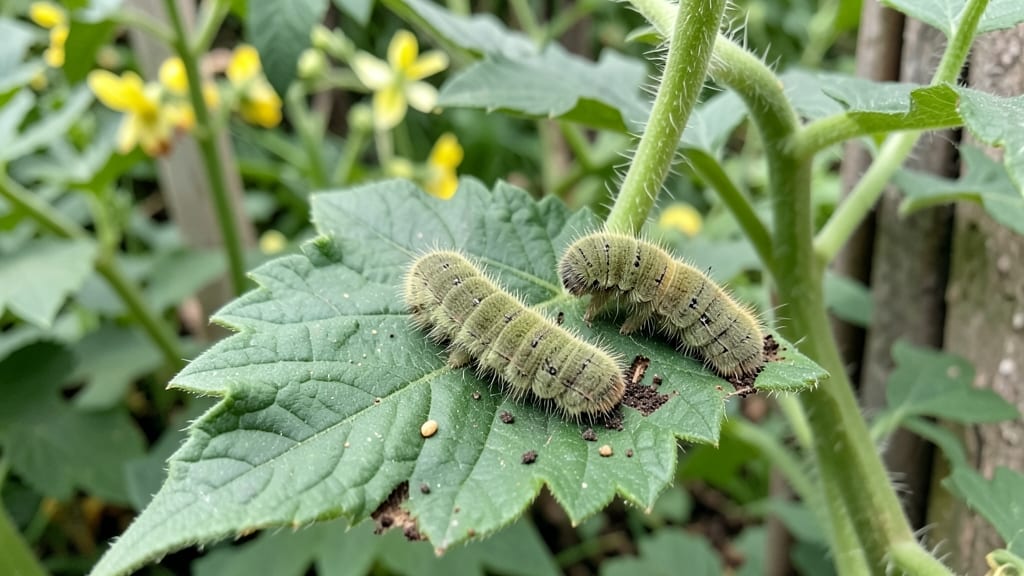
Finding caterpillars munching your tomato plants is every gardener’s worst nightmare—but I’ve saved dozens of harvests using simple, effective tricks that don’t harm your plants or the planet. 🌱 The key is acting fast and choosing methods that work without chemicals, though I’ll cover when to pull out the big guns too.
Most caterpillars are hornworms or tomato fruitworms, and they strike when plants are lush and vulnerable.
Handpicking works surprisingly well—just drop them in soapy water—but for larger infestations, I’ve had best luck with neem oil sprays or Bt (Bacillus thuringiensis), a natural bacteria that targets caterpillars without touching bees or butterflies. The earlier you catch them, the easier the fix.
You’ll see results within 24-48 hours of treatment, with fewer holes in leaves and no more disappearing fruit. The best part? These methods prevent future outbreaks too, so your tomatoes stay safe all season. Here’s how to spot them early and stop them before they ruin your plants.
Works for backyard gardens, raised beds, and even container-grown tomatoes. Whether you’re dealing with a handful of pests or a full-blown invasion, these tricks will keep your harvest intact—and your sanity too.
Root Causes of Caterpillar Infestations
Caterpillars don’t just randomly appear on your tomato plants—they’re drawn by a mix of environmental, biological, and even human factors. Understanding these triggers is the first step to stopping them before they devour your harvest. Let’s break down the science behind why these fuzzy pests show up when they do.
Tomato plants are like an all-you-can-eat buffet for caterpillars, thanks to their soft leaves, tender stems, and sweet fruit. Here’s why they’re irresistible:
- Leaf Composition: Tomato leaves contain nitrogen-rich compounds that caterpillars crave for growth.
Young, tender leaves are especially vulnerable because their thinner cell walls make them easier to chew through. - Volatile Organic Compounds (VOCs): When tomato leaves are damaged (even slightly), they release chemical signals that attract herbivorous insects, including caterpillar mothers looking for the perfect nursery. - Fruit Ripeness: Ripe tomatoes emit sugars and aromatic compounds that some caterpillars (like tomato hornworms) are drawn to.
The scent of a ripe fruit can travel up to 50 feet, acting like a dinner bell.
Pro Tip: 💡 If you notice small holes in leaves before you see caterpillars, it’s a sign that adult moths have already laid eggs nearby—act fast!
Most caterpillars start life as tiny eggs laid by adult moths. Their timing and behavior are key to infestations:
- Host Plant Preference: Many tomato pests, like tomato hornworms and loopers, have a strong preference for Solanaceae plants (tomatoes, peppers, eggplants).
Their moths are programmed to seek these out for egg-laying. - Warm, Humid Conditions: Moths are most active in warm evenings (70–85°F) and high humidity.
If your garden stays consistently moist, you’ll see more egg-laying activity. - Nighttime Visitors: Most moths are nocturnal, so they lay eggs under the cover of darkness. By morning, you might find clusters of tiny eggs on the undersides of leaves—often near veins or stems.
Fun Fact: 🌙 Some moths, like the five-spotted hawkmoth, can hover like hummingbirds to probe flowers for nectar while laying eggs—a sneaky way to ensure their larvae have food!
Your local ecosystem plays a huge role in caterpillar populations. Here’s how:
| Factor | Why It Matters | Actionable Insight |
|---|---|---|
| Overcrowded Plants | Dense foliage provides hiding spots for eggs and young caterpillars. | Prune plants for airflow; avoid over-fertilizing with nitrogen. |
| Weedy Areas | Weeds like dandelions and milkweed can host alternative food sources for caterpillars. | Remove weeds within 10 feet of tomato plants. |
| Monoculture Gardening | Planting only tomatoes in one area makes it easier for moths to find and infest. | Interplant with basil, marigolds, or borage to disrupt their search. |
| Late Planting | Tomatoes planted after the last frost (when nights are warm) trigger moth activity earlier. | Start seedlings indoors or use row covers early in the season. |
Caterpillars aren’t the only creatures in your garden—their predators are too. When these helpers are missing, caterpillars thrive:
- Birds: Many songbirds (like robins and chickadees) eat caterpillars, but they avoid gardens with lack of perches or overuse of pesticides. - Parasitic Wasps: Tiny braconid wasps lay eggs inside caterpillars, killing them from within.
These wasps need undisturbed soil and plant diversity to survive. - Ladybugs and Lacewings: These beneficial insects eat caterpillar eggs but struggle in chemical-heavy gardens.
Warning: ⚠️ Broad-spectrum pesticides (like neonicotinoids) can kill both pests and predators, creating a vacuum that lets caterpillars explode in numbers.
Caterpillar activity isn’t random—it follows seasonal and geographic patterns:
- Early Season (Spring): Cutworms and loopers are common in cooler weather. They burrow into soil or hide under leaves during the day. - Mid-Season (Summer): Hornworms peak when temperatures hit 75–85°F.
They grow 2–3 inches per week and can strip a plant bare in days. - Late Season (Fall): Armyworms become more active as nights cool. They move in groups, eating leaves like a swarm.
Regional Note: 🌎 In humid Southern states, caterpillars breed year-round. In drier Northern climates, they may have one or two generations per year, tied to rainfall.
Sometimes, well-meaning gardening practices accidentally invite caterpillars:
- Overwatering: Keeps soil and leaves damp longer, creating a moist microclimate that eggs and young caterpillars love.
- Late Pruning: Removing damaged leaves too late in the season leaves exposed stems that moths target for egg-laying.
- Ignoring Early Signs: Small silver streaks (frass) or noticed holes are often missed until caterpillars are full-sized and harder to remove.
Quick Fix: 🔥 Inspect plants every 3–4 days at dawn (when dew is present) to catch eggs before they hatch!
Natural Ways to Rescue Your Tomato Harvest
Now that you know why caterpillars are munching on your tomato plants, it’s time to act! The good news? You don’t need harsh chemicals to save your garden.
Below are effective, humane, and easy-to-follow solutions tailored to the most common causes of caterpillar infestations—plus prevention tips to keep your plants thriving.
If you spot caterpillars chewing through foliage (especially tomato hornworms or loopers), act fast before they devour your plants.
How to Fix It: 🔥 👨🍳 Handpick Them (Best for Small Infestations)
- When to do it: Early morning (caterpillars are sluggish and easier to spot).
- How: Wear gloves and carefully pluck caterpillars off leaves. Drop them into a bucket of soapy water (1 tbsp dish soap per gallon) to kill them instantly.
- Pro tip: Check the undersides of leaves—that’s where they hide!
🍳 🪰 Use a DIY Trap (For Larger Infestations) - Materials: A shallow dish, beer, or a mix of water + sugar + yeast (ferments to attract caterpillars). - How: Place traps near your plants.
Caterpillars will crawl in and drown—no chemicals needed! - Bonus: This also works for slugs and snails if they’re a problem.
⏰ 🕒 Repeat: Check plants every 2–3 days until the infestation is gone.
If you find tiny holes or squishy spots in your tomatoes (likely from fruitworms), the damage is already done—but you can stop future outbreaks.
How to Fix It: 🔪 🌡️ Inspect & Destroy Eggs (Prevent Future Damage)
- When to do it: Morning or evening (avoid peak sun when eggs are harder to see).
- How:
- Shake tomato plants gently over a white sheet—eggs will fall onto it.
- Look for tiny white or yellow specks (fruitworm eggs).
- Crush them with your fingers or wipe them off with a damp cloth.
- Pro tip: Focus on the undersides of leaves and near flower clusters.
🎯 🥗 Use Row Covers (Best Long-Term Fix)
- What to use: Floating row covers (lightweight fabric that lets sunlight and water through but blocks pests).
- How:
- Drape covers over plants before flowers appear (so pollinators can still access them).
- Secure edges with clips or bricks to prevent caterpillars from crawling underneath.
- Bonus: Also protects against beetles and moths!
If caterpillars keep coming back, your plants might be stressed or lacking natural defenses. Strengthen them to make them less appealing.
How to Fix It: 💡 🌱 Plant Companion Crops (Confuse & Repel Pests)
- Best companions for tomatoes:
- Basil (masks tomato scent, deters pests)
- Marigolds (release a smell caterpillars hate)
- Nasturtiums (trap aphids and other pests away from tomatoes)
- How to plant: Scatter around your tomato patch before caterpillars arrive.
🔥 🌡️ Encourage Beneficial Insects (Nature’s Pest Control)
- Who helps: Ladybugs, lacewings, and parasitic wasps (they eat caterpillar eggs/larvae).
- How to attract them:
- Plant dill, fennel, or parsley (they love these).
- Avoid pesticides—neem oil is safer than chemical sprays.
- Install a small water source (a shallow dish with pebbles) for beneficial bugs.
✨ 🍃 Use Neem Oil Spray (Safe & Effective) - Why it works: Disrupts caterpillar feeding and reproduction without harming plants or pollinators. - How to make it: 1. Mix 1 tbsp neem oil + 1 tsp mild soap + 1 quart water.
- Spray evenly on leaves (focus on undersides).
- Reapply every 5–7 days or after rain. - Pro tip: Spray in the evening to avoid harming bees.
The best defense? A strong, healthy garden caterpillars won’t want to touch!
💡 🌱 Start with Healthy Soil
- Test your soil (pH 6.0–7.0 is ideal for tomatoes).
- Add compost before planting to boost plant immunity.
🌡️ 🌿 Prune Regularly
- Remove damaged or yellowing leaves—they attract pests.
- Thin out overcrowded plants for better airflow.
⏰ 🕒 Plant at the Right Time
- Avoid early spring plantings—caterpillars thrive in warm weather.
- Use transplants (instead of seeds) to get a head start.
🎯 🚫 Avoid Overwatering
- Soggy soil attracts slugs and softens plants, making them easier targets.
- Water at the base (not overhead) to keep leaves dry.
Final Thought: A little daily vigilance goes a long way! Check your plants 2–3 times a week, and combine handpicking, traps, and natural sprays for the best results. With these methods, your tomato plants will stay strong, pest-free, and ready for a bountiful harvest! 🍅✨
Frequently asked questions about caterpillar control on tomato plants
How do I tell if caterpillars are damaging my tomato plants?
Look for irregular holes in leaves, silver frass (droppings) on foliage, or missing fruit. Young caterpillars leave tiny chew marks, while larger ones (like hornworms) can strip entire leaves overnight. Check undersides of leaves and near flower clusters—this is where they hide during the day.
Is it safe to pick caterpillars off by hand?
Handpicking is the most eco-friendly method. Use gloves and drop them into soapy water (1 tbsp dish soap per gallon). For large infestations, do this early morning when caterpillars are sluggish. Just avoid squishing them—their frass can attract more pests!
Will neem oil harm my tomato plants or beneficial insects?
When used correctly, neem oil is plant-safe and targets caterpillars specifically. Spray in the evening to avoid harming bees, and avoid overspraying flowers. The key is using cold-pressed neem oil (not refined) and reapplying every 5–7 days after rain.
Can I use row covers to prevent caterpillars?
Yes! Floating row covers (lightweight fabric) block moths from laying eggs while allowing sunlight and water through. Install them before flowers appear (so pollinators can still access plants). Secure edges tightly—even small gaps let caterpillars slip through.
What should I do if caterpillars keep coming back?
Combine multiple methods for best results: handpick daily, use neem oil, and plant companion crops like basil or marigolds. Also check for hidden eggs (tiny white/yellow specks on leaf undersides) and remove weeds nearby—many caterpillars use them as alternative food sources.