
Companion Plants
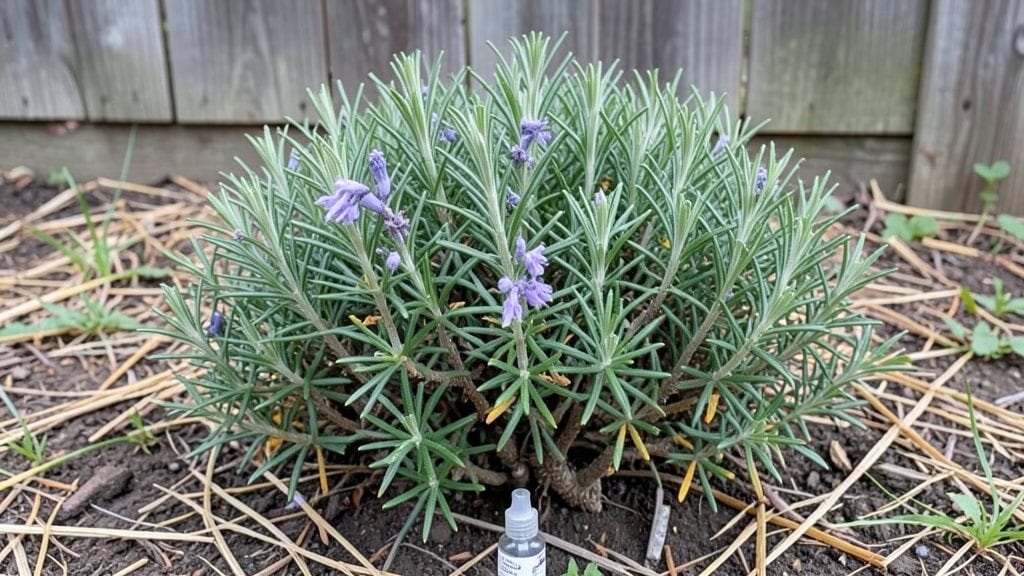
My garden’s worst enemy used to be the aphids that turned my roses into sticky, curled messes—until I discovered plants with pesticides already built in. 🌿 These natural defenders don’t just repel pests; they transform your garden into a fortress where bugs think twice before landing.
The key lies in strategic pairings like marigolds (which deter nematodes) or basil (which keeps flies and mosquitoes away), and it starts with understanding which plants work together—and which ones need backup from neem oil or insecticidal soap.
Here’s the game-changer: these plants don’t just chase pests away—they improve soil, attract pollinators, and often boost the flavor or growth of your main crops. Take dill, for example: it repels spider mites while luring beneficial wasps that eat tomato hornworms.
The best part? You’re reducing chemical sprays without sacrificing protection. I swapped my chemical spray for a border of nasturtiums around my tomatoes, and the difference was shocking—no more wilted leaves from aphid attacks, just vibrant green plants thriving all season.
You’ll start seeing results within weeks: fewer chewed leaves, no more mysterious holes in your lettuce, and a garden that actually feels like it’s fighting back. The secret is layering these plants strategically—some repel pests directly, while others create habitats for predator insects.
By the time summer hits, your garden will be so balanced that pests won’t even recognize it as a buffet. Ready to turn your yard into a pest-free paradise? Let’s get planting.
This approach works for any garden size, from small containers on a balcony to sprawling backyard plots. Even urban gardeners can use pots of marigolds or thyme to protect their herbs. The only rule?
Start small—add one or two pest-repelling plants this season and watch how quickly your garden’s health improves. No more desperate spraying; just smart, natural defense that keeps your plants—and your peace of mind—protected.
How chemical buildup harms plants
Pesticides are designed to kill or repel pests, but their unintended consequences can wreak havoc on your garden. Understanding why plants struggle with pesticide exposure is the first step to creating a healthier, more resilient garden. Here’s a breakdown of the key reasons behind this issue:
One of the most common reasons plants suffer from pesticide exposure is overapplication. Many gardeners mistakenly believe that "more is better"—if a little pesticide works, then double or triple the dose will work even faster.
However, this mindset leads to toxic residue buildup in the soil and on plant surfaces.
Pesticides, especially synthetic ones like neonicotinoids or glyphosate, are formulated to be persistent. When applied repeatedly, they don’t break down quickly enough, accumulating in the soil and plant tissues. This residue can:
- Disrupt nutrient uptake by blocking root functions, leading to yellowing leaves or stunted growth.
- Weaken plant immunity, making them more susceptible to diseases and pests they were originally meant to repel.
- Kill beneficial microbes in the soil, which are essential for breaking down organic matter and supporting plant health.
Pro Tip: 💡 Always follow label instructions for application rates and frequency. If you’re using organic pesticides (like neem oil or pyrethrin), they’re generally safer but still require careful dosing to avoid harm.
Healthy soil acts as a natural filter, breaking down chemicals and preventing them from harming plants. But when soil is depleted of organic matter or lacks proper microbial activity, pesticides linger longer, increasing their toxicity.
Key factors that contribute to this problem include:
- Compacted or clay-heavy soil slows down water drainage, trapping pesticides near plant roots.
- Low organic content reduces the soil’s ability to absorb and neutralize chemicals.
- Extreme pH levels (too acidic or alkaline) can prevent beneficial microbes from breaking down pesticides efficiently.
Over time, this creates a toxic cycle: Weakened plants struggle to absorb nutrients, pests return in larger numbers (since natural predators are also killed), and gardeners apply more pesticides—further degrading soil health.
Actionable Fix: 🌡️ Improve soil health by adding compost, worm castings, or cover crops like clover or vetch. These amendments boost microbial activity, helping the soil naturally detoxify over time.
Pesticides are often broad-spectrum, meaning they don’t discriminate between harmful pests and beneficial insects, fungi, or even plants. When applied, they can:
- Kill pollinators like bees, butterflies, and hoverflies, which are crucial for plant reproduction.
- Eliminate natural pest predators, such as ladybugs, lacewings, and predatory mites, leading to secondary pest outbreaks.
- Damage sensitive plants that aren’t the intended target, such as herbs, flowers, or edible crops sprayed accidentally by wind drift.
This disruption throws ecosystems out of balance. Without their natural defenses, plants become more vulnerable to new infestations, prompting gardeners to use even more pesticides—a vicious cycle.
Smart Solution: ✨ Opt for targeted pesticides (e.g., baits for slugs instead of systemic sprays) or companion planting to attract beneficial insects naturally. For example, marigolds repel nematodes, while basil deters flies—reducing the need for chemicals altogether.
Pesticides don’t act in a vacuum—they’re influenced by external conditions that can amplify their harm to plants. Key environmental factors include:
| Factor | How It Affects Pesticides |
|---|---|
| 💧 Rainfall | Heavy rain can wash pesticides into root zones too quickly, overwhelming plant tolerance levels. |
| ☀️ Sunlight/Heat | Increases pesticide volatility, causing them to evaporate and redeposit on nearby plants as drift. |
| 🌬️ Wind | Carries spray particles to unintended plants, increasing exposure risk. |
| 🌡️ Temperature | Cold or freezing temps can slow pesticide breakdown, prolonging toxicity. |
For instance, applying pesticides on a hot, windy day can lead to drift, while using them before rain may cause runoff into water sources or neighboring gardens.
Best Practice: 🎯 Time applications for early morning or late evening when winds are calm and temperatures are cooler. Avoid spraying before forecasted rain to prevent leaching.
Natural Ways to Protect Plants
Discovering pesticide residue on your plants can feel overwhelming, but the good news is that nature provides powerful, chemical-free solutions. Whether you’re dealing with insect infestations, fungal diseases, or soil contamination, these methods will help you restore a thriving, pesticide-free garden.
Below, we’ve mapped practical fixes to common causes—plus prevention tips to keep your plants healthy long-term.
1. Companion Planting: Let Nature Do the Work
Some plants naturally repel pests while attracting beneficial insects. Pair your vulnerable crops with these pest-deterring companions:
- Basil – Plant near tomatoes to ward off mosquitoes and whiteflies.
- Marigolds – Deter nematodes, aphids, and even rabbits with their strong scent.
- Garlic & Onions – Confuse pests like aphids and Japanese beetles.
- Nasturtiums – Trap aphids and deter squash bugs.
💡 Pro Tip: Interplant instead of row-planting for maximum pest control. For example, surround your rose bushes with lavender to keep aphids away.
2. Homemade Sprays for Immediate Relief
Skip the store-bought pesticides and try these DIY sprays that are safe for plants and pollinators:
- Neem Oil Spray – Mix 1 tbsp neem oil + 1 tsp mild soap + 1 quart water. Spray on leaves to deter chewing insects and fungal spores. (Reapply every 7–10 days.)
- Garlic & Chili Pepper Spray – Blend 2 garlic cloves + 1 tbsp cayenne pepper + 1 quart water. Strain and spray on affected areas to repel soft-bodied pests.
- Soap Spray – Combine 1 tbsp castile soap + 1 quart water. Targets aphids, mites, and whiteflies without harming plants.
⚠️ Warning: Always test sprays on a small leaf first to avoid damage.
3. Encourage Beneficial Insects
Ladybugs, lacewings, and parasitic wasps are nature’s pest control. Attract them with:
- Dill, fennel, or parsley – Host plants for beneficial insects.
- Small water sources – A shallow dish with pebbles and water helps them thrive.
- Avoid broad-spectrum pesticides – Even "organic" sprays can harm these helpers.
4. Improve Airflow & Reduce Moisture
Fungal issues (like powdery mildew or blight) thrive in damp, stagnant conditions. Prevent them with these steps:
- Space plants properly – Follow seed packet guidelines for spacing to ensure airflow.
- Water at the base – Avoid wetting leaves, especially in the evening.
- Remove infected leaves – Prune and dispose of diseased foliage immediately.
- Use mulch – A 2–3 inch layer of straw or wood chips keeps soil moist without promoting fungal growth.
🌡️ Pro Tip: If humidity is high, use a fan on low to improve circulation around plants.
5. Soil Remediation for Chemical Residue
If your soil has pesticide buildup, revive it naturally with:
- Compost & Organic Matter – Amend soil with compost to dilute contaminants and improve microbial activity.
- Activated Charcoal – Mix 1 cup per 5 gallons of soil to absorb toxins (best for potted plants).
- Cover Crops – Plant clover or ryegrass to bind heavy metals and improve soil health.
- Test Your Soil – Use a home soil test kit to monitor pH and nutrient levels before replanting.
✨ Bonus: Worm castings boost beneficial microbes that break down residues faster.
6. Strengthen Plant Immunity
Healthy plants resist pests and diseases better. Boost defenses with:
- Balanced Fertilizer – Use compost tea or fish emulsion for nutrients without synthetic chemicals.
- Regular Pruning – Remove dead or weak growth to prevent pest entry points.
- Crop Rotation – Rotate plant families yearly to disrupt pest and disease cycles.
- Healthy Soil – Test and amend soil every season to ensure optimal growing conditions.
7. Physical Barriers & Traps
Stop pests before they reach your plants:
- Row Covers – Lightweight fabric protects against flying insects while allowing sunlight and water.
- Coffee Grounds – Sprinkle around plants to deter slugs and ants.
- Yellow Sticky Traps – Catch whiteflies and aphids before they multiply.
- Diatomaceous Earth – Sprinkle food-grade DE around plants to deter crawling insects (reapply after rain).
🔥 Hot Tip: Crushed eggshells deter slugs and add calcium to the soil!
With these natural, proactive strategies, you’ll create a garden that’s not just pesticide-free but also more resilient. Start small—try one or two methods this season—and watch your plants thrive without harsh chemicals. 🌱
Frequently asked questions
Which common garden plants naturally repel pests?
Marigolds, basil, and lavender are top performers. Marigolds release a compound that deters nematodes, while basil confuses whiteflies and mosquitoes. Lavender’s strong scent repels aphids and fleas, making it perfect for borders. Even chives and garlic act as natural pest deterrents when planted nearby.
Can I use essential oils as pesticides?
Yes, but with caution! Diluted peppermint, rosemary, or tea tree oils can deter pests like ants and aphids. Mix 10-15 drops of oil with 1 cup water and 1 teaspoon of mild soap, then spray on leaves. Always test on a small area first—some plants (like citrus) may be sensitive to strong concentrations.
How do I know if my plants are suffering from pesticide damage?
Watch for yellowing leaves, stunted growth, or unusual browning—especially on new growth. If you see these signs after spraying, flush the soil with water and avoid chemical treatments for 2-3 weeks. For severe cases, amend soil with compost to help detoxify. Organic options like neem oil are safer alternatives.
Are there plants that actually produce their own pesticides?
Some plants synthesize natural toxins to deter pests. For example, castor beans produce ricin (toxic to insects), while tobacco plants contain nicotine—both are effective but should be handled carefully. More garden-friendly options include pyrethrum daisies, which produce natural pyrethrins that repel mosquitoes and flies.