
Pests
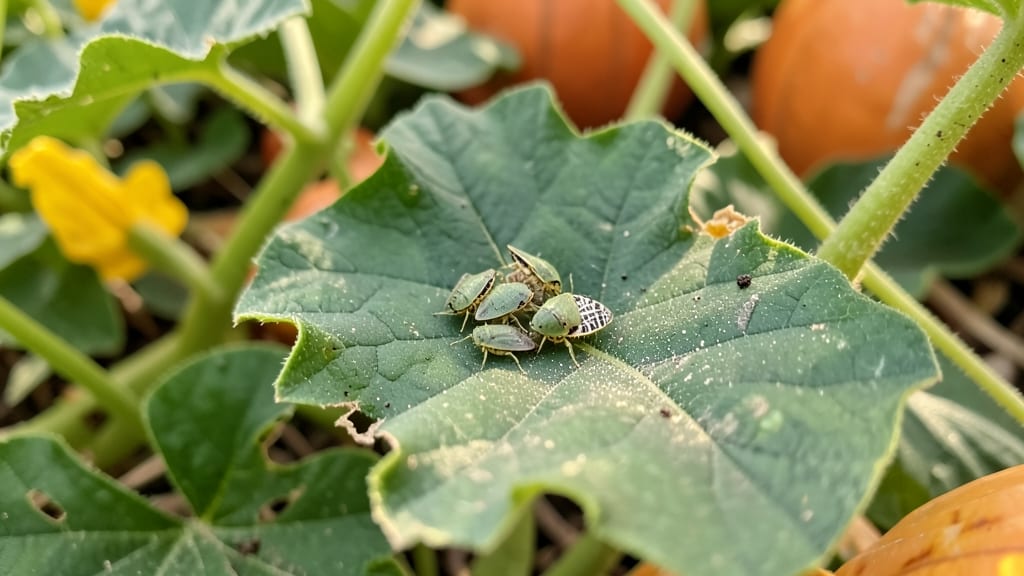
Getting rid of bugs on pumpkin plants starts with knowing the culprits—squash bugs, cucumber beetles, and aphids all love feasting on your vines. 🌱 Last summer, my pumpkins were covered in tiny black spots until I learned these simple traps that work within a day.
The key is acting fast before the pests multiply and stunt your plants.
Most gardeners reach for chemical sprays first, but I’ve found the most effective solutions are organic and humane. A mix of yellow sticky traps for beetles, neem oil spray for aphids, and handpicking squash bugs in the morning saves my harvest every time.
These methods don’t just kill pests—they protect your plants’ health long-term.
Within 24 hours, you’ll see a noticeable drop in pests, and your pumpkins will start recovering. The real secret? Prevention—crop rotation, companion planting with marigolds, and regular inspections keep bugs at bay before they become a problem. Your plants will thank you with bigger, healthier fruit.
Works for both small gardens and large patches, and the supplies cost less than $20 total. No more wilted vines or chewed leaves—just thriving pumpkins. Let’s get those pests under control for good.
Root Causes of Pumpkin Plant Pests
Pumpkin plants are a magnet for bugs—whether it’s tiny aphids clustering on leaves or squash bugs lurking beneath vines. But why do these pests show up in the first place?
Understanding the why behind the problem is the first step to stopping it before it starts. Let’s break down the most common reasons your pumpkin patch is under siege.
Pumpkins and their relatives (like squash and cucumbers) thrive when given room to breathe.
When plants are too close together, several problems arise: - Reduced airflow creates a humid microclimate, which is ideal for fungal diseases and soft-bodied pests like aphids and spider mites. - Shaded leaves (from overlapping vines) weaken plants, making them more susceptible to stress and pest attacks. - Squash bugs and cucumber beetles hide in dense foliage, laying eggs undetected in the soil or on stems.
Actionable insight: Space pumpkin plants 3–5 feet apart (depending on variety) and thin seedlings early to prevent overcrowding. A well-ventilated garden is a pest’s worst nightmare!
Bugs target weak plants like a buffet—because stressed vegetation lacks the natural defenses to fend them off.
Common stressors include: - Nutrient deficiencies (especially nitrogen or potassium) make plants less resilient. - Underwatering or drought stress weakens cell walls, making them easier for pests like aphids to pierce. - Overwatering leads to root rot, which attracts fungus gnats and other moisture-loving insects. - Sudden temperature swings (e.g., hot days followed by cold nights) shock plants, lowering their pest resistance.
Science note: Healthy plants produce volatile organic compounds (VOCs) that repel pests. When stressed, these defenses drop—leaving your pumpkins vulnerable.
Some bugs specialize in pumpkin plants and time their life cycles to coincide with your harvest.
For example: - Squash vine borers lay eggs in early summer, and their larvae burrow into stems just as vines start flowering. - Cucumber beetles emerge in spring to feed on young leaves, then lay eggs that hatch into destructive larvae. - Aphids and whiteflies thrive in warm weather and reproduce exponentially, colonizing plants in days.
Pro tip: 🌡️ Monitor your garden’s degree-day accumulation (a measure of heat exposure) to predict pest outbreaks. Many pests have specific temperature triggers for egg-laying.
Pumpkins aren’t the only plants in your garden that bugs love.
If you’re growing: - Marigolds, nasturtiums, or other cucurbits (like zucchini or melons), pests may see your patch as an all-you-can-eat buffet. - Weeds like lambsquarters or pigweed, which are alternate hosts for aphids and squash bugs. - Companion plants that mask pumpkin scents (e.g., strong herbs like rosemary), pests may overlook your pumpkins—until they don’t.
Solution: Create a pest-repellent barrier by planting basil, thyme, or marigolds around (not among) your pumpkins to confuse insects.
Your garden’s ecosystem plays a huge role in pest populations: - Dry, windy conditions attract aphids and spider mites, which lose moisture quickly. - Organic matter buildup (like old leaves or mulch) provides hiding spots for squash bugs and cutworms. - Nearby wild areas (weedy fields, wooded edges) serve as pest reservoirs.
Bugs migrate to your garden when food sources run out elsewhere.
Data point: Studies show that gardens within 500 feet of uncultivated land have 30% more pest pressure due to migration.
Nature’s pest control—ladybugs, lacewings, and parasitic wasps—keeps bug populations in check.
But if your garden lacks: - Diverse pollinators (like bees and hoverflies), which also eat soft-bodied pests. - Ground cover (clover or grass) for predatory beetles. - Water sources (shallow dishes with pebbles), beneficial insects may move on to easier targets.
Quick fix: 🌿 Plant dill, fennel, or yarrow to attract predatory wasps and hoverflies—they’ll hunt pests for you!
Quick Fixes for Pumpkin Plant Pests
Now that you know what’s munching on your pumpkin vines, let’s tackle those critters with fast, effective, and humane solutions. These fixes target common pests—aphids, squash bugs, cucumber beetles, and more—while keeping your plants healthy and your harvest safe.
Below, we’ve mapped out cause-specific remedies, from DIY sprays to natural barriers, plus prevention tips to stop future invasions.
Fix: These sap-sucking pests cluster on leaves, causing curling and sticky residue (aka honeydew). Here’s how to evict them without chemicals:
- 💦 Blast Them Off Use a strong stream of water from a hose to knock aphids off leaves. Do this in the early morning so the plant can dry quickly.
Repeat every 2–3 days until they’re gone. Pro tip: 🌡️ Soapy water spray works too—mix 1 tsp mild castile soap or dish soap with 1 quart water in a spray bottle. Test on a small leaf first to avoid damage.
- 🐛 Introduce Beneficial Insects Ladybugs, lacewings, and parasitic wasps love aphids. Buy them online or attract them by planting dill, fennel, or marigolds nearby.
- 🍃 Neem Oil Barrier Spray neem oil solution (1 tbsp neem oil + 1 tsp mild soap + 1 quart water) on both leaf surfaces at dusk. Reapply every 5–7 days until aphids disappear.
Prevent: 🌱 Interplant with herbs like basil or thyme—aphids dislike their strong scents.
Fix: These shield-shaped bugs hide under leaves and skeletonize pumpkin foliage. Act fast—they multiply quickly!
- 🔪 Handpick & Crush Morning is key—squash bugs are sluggish then. Flip leaves over and squish adults/eggs with your fingers (wear gloves!). Drop them into soapy water to kill them instantly.
- 🧴 Diatomaceous Earth (DE) Dust Sprinkle food-grade DE around the base of plants and on leaves. It dehydrates bugs in 24–48 hours. Reapply after rain. ⚠️ Avoid breathing it in—wear a mask!
- 🛡️ Row Covers for Prevention Use floating row covers (lightweight fabric) to block adults from laying eggs. Remove covers when flowers appear for pollination.
Prevent: 🌱 Rotate crops—don’t plant pumpkins in the same spot yearly. Copper tape around pots can deter them too.
Fix: These yellow-and-black beetles chew leaves and spread disease. They’re tough but beatable!
- 🍳 Beer Trap Fill a shallow dish with beer and bury it near plants. Beetles are attracted to the yeast and drown overnight. Replace every 2–3 days.
- 🧴 Kaolin Clay Spray Mix 2 tbsp kaolin clay (like Surround WP) with 1 gallon water and spray on leaves. It creates a physical barrier they can’t cross. Reapply after rain.
- 🌿 Plant Traps Grow radishes or nasturtiums nearby—beetles prefer them over pumpkins. Remove and destroy infested plants immediately.
Prevent: 🌱 Use yellow sticky traps early in the season to catch adults before they lay eggs.
Fix: These red specks spin webs and drain plant sap, causing yellowing leaves. They thrive in dry heat—combat them with moisture.
- 💦 Increase Humidity Mist plants daily (especially undersides of leaves) to discourage mites. Use a hose on a gentle setting to wash them off.
- 🌿 Neem Oil or Horticultural Oil Spray neem oil (as above) every 5–7 days until mites vanish. For severe cases, add 1 tbsp vegetable oil to the mix for better coverage.
- 🐛 Predatory Mites Release persimmon or amblyseius mites—they only eat spider mites and won’t harm your pumpkins.
Prevent: 🌱 Mulch with straw to retain soil moisture and deter mites.
No matter the pest, stop them before they start with these low-effort habits:
- 🌱 Healthy Soil = Strong Plants Pumpkins with rich, well-draining soil resist pests better. Add compost or worm castings at planting time.
- 🌿 Companion Planting Pair pumpkins with:
- Marigolds (repel nematodes)
- Basil (deters squash bugs)
- Nasturtiums (trap aphids)
- 🕒 Early Monitoring Check plants every 2–3 days for signs of pests. Act at the first sign—small infestations are easier to control.
- 🧹 Clean Up Debris Remove fallen leaves and vines at season’s end to eliminate hiding spots for eggs.
Final Note: Most of these fixes work in 24–48 hours if applied consistently. For stubborn infestations, combine methods (e.g., handpick + neem oil + beneficial insects). Your pumpkin patch will be pest-free and thriving in no time! 🎃💪
Frequently asked questions
Why do squash bugs target pumpkin plants specifically?
Squash bugs love pumpkins because they’re part of the cucurbit family, which includes zucchini and melons—all their favorite foods! These pests lay eggs in the soil near pumpkin vines, and once hatched, they feast on leaves and stems. The key is catching them early before they multiply.
How often should I check my pumpkin plants for pests?
Inspect your plants every 2–3 days during warm weather when pests are most active. Morning checks work best—bugs like squash bugs are sluggish then, making them easier to spot and remove. A quick 5-minute scan can prevent a full-blown infestation.
Can I use neem oil on pumpkin flowers or fruit?
Yes, but apply neem oil only at dusk to avoid harming pollinators like bees. Spray leaves and stems, but keep it away from open flowers. For fruit protection, focus on preventive measures like companion planting (basil or marigolds) instead of direct sprays.
What’s the fastest way to stop cucumber beetles from destroying my plants?
Use a beer trap—fill a shallow dish with beer and bury it near your pumpkins. Beetles are attracted to the yeast and drown overnight. Replace the beer every 2–3 days for best results. Combine this with yellow sticky traps for a 24-hour pest drop.
Will diatomaceous earth harm my pumpkin plants if I use too much?
No, food-grade diatomaceous earth (DE) is safe for plants when used correctly. Just avoid overapplying—sprinkle a thin layer around the base and on leaves. Reapply after rain, but don’t breathe it in (wear a mask!). DE works by dehydrating bugs, not harming plants.