Companion Plants
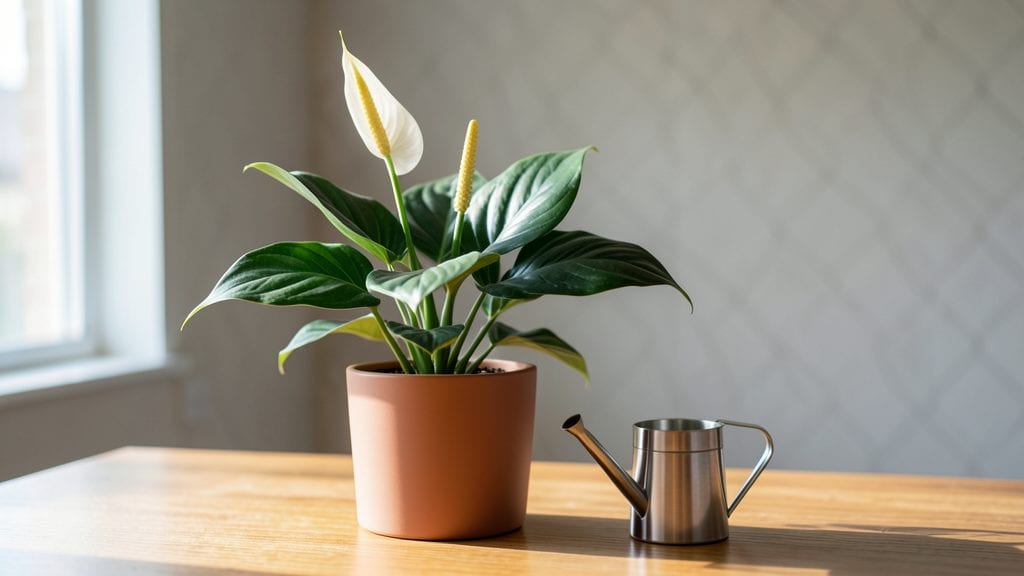
My first office table plant—a snake plant—saved me from my own neglect. This near-indestructible greenery thrives under fluorescent lights, needs water every 3-4 weeks, and still looks fresh when I forget it exists.
The real magic? It purifies the air while I’m drowning in emails, turning my workspace into a mini jungle without the drama.
Snake plants, pothos, and ZZ plants are the holy trinity of desk greenery. They survive underartificial light, in tiny pots, and with zero fuss. I’ve seen pothos trail elegantly from a hanging planter while purifying toxins, and ZZ plants bounce back from drought like it’s nothing.
Even your coffee-stained mug can’t kill these guys—though I’d still recommend keeping it away from direct sunlight.
By adding just one of these, you’ll transform your desk into a calmer, fresher zone. The snake plant’s upright leaves add structure, pothos brings trailing movement, and succulents like echeveria add pops of color.
Plus, studies show plants reduce stress—so your next presentation might actually go well. Start with one, then expand as your confidence (and your desk space) grows.
Pro tip: Rotate your plants every few months so all sides get light. And if you’re worried about overwatering, stick your finger in the soil first—if it’s dry two inches down, it’s time to water.
These plants will outlast your coffee habit, so don’t overthink it. Just place, forget, and enjoy the greenery.
📚 In This Guide
- What you need
- Instructions
- Tips and common mistakes
- Wrapping up and next steps
What you need
- ● Office-friendly plants: 1-3 snake plants (easy-care, drought-tolerant)
- ● 1 ZZ plant (thrives in low light)
- ● 1 pothos (trailing, great for shelves)
- ● 1 peperomia (compact, colorful leaves)
- ● Planters: 2-4 small pots (4-6" diameter, with drainage holes)
- ○ 1-2 decorative cachepots (optional, for aesthetics)
- ● Soil: 1 bag well-draining potting mix (avoid garden soil)
- ○ Optional: Perlite or orchid bark (for extra drainage)
- ○ Tools: 1 pair of gardening gloves (optional, for hygiene)
- ● 1 small trowel or spoon (for repotting)
- ● 1 spray bottle (for misting, if needed)
- ● Self-watering planters (for forgetful plant parents 😅)
- ● LED grow lights (if natural light is limited)
- ● Plant stands or risers (to elevate greenery)
- ● Decorative pebbles or moss (for a polished look)
Instructions for choosing and caring for office table plants
Here’s how to pick and maintain four easy-care plants that thrive in low light.
Select the Right Plants for Your Space
Start with four varieties that tolerate low light and infrequent watering. Snake plants and ZZ plants are my top picks—they survive neglect and purify the air. Pothos and peace lilies also work well, but they need slightly more attention. Place them on your desk, bookshelf, or near a window where they’ll get at least a few hours of indirect light daily.
Check the soil before buying—if it’s dry to the touch, water lightly to help the plants adjust. Avoid plants with yellow leaves or brown edges; these are signs of stress or poor care. Choose pots with drainage holes to prevent root rot, which is a common issue in office environments.
Set Up Proper Drainage and Containers
Use the containers you’ve chosen, ensuring each has a drainage hole at the bottom. If your pots don’t have holes, place them inside a saucer filled with pebbles to elevate the plant and allow excess water to drain away. Fill the bottom inch of each pot with small pebbles or perlite to improve airflow and prevent soggy soil.
Fill the pots with fresh potting mix, leaving about an inch of space at the top. Tap the pot gently to settle the soil, but don’t pack it down too tightly. This ensures roots can grow freely without becoming waterlogged. If you’re repotting an existing plant, do it in the morning to give it time to recover before the workday ends.
Water and Adjust to Your Environment
Water each plant thoroughly until water runs out of the drainage hole, then empty the saucer to prevent standing water. Let the top inch of soil dry out completely before watering again—this usually takes about a week for snake plants and ZZ plants, but peace lilies and pothos may need watering every 5 to 7 days. Overwatering is the fastest way to kill these plants, so it’s better to underwater slightly.
Place your plants in their final spots and observe them for a few days. If the leaves start to droop or yellow, adjust your watering schedule. Snake plants and ZZ plants are forgiving, but peace lilies and pothos will show stress more quickly. Rotate the pots a quarter turn weekly so the plants grow evenly toward the light source.
Maintain with Minimal Effort
Dust the leaves every few weeks with a damp cloth to help the plants absorb light more effectively. Wipe them gently to avoid damaging the foliage. If you notice dust buildup, use a soft brush or microfiber cloth for delicate leaves. Avoid using harsh chemicals or sprays, as these can harm the plants and leave residue on your workspace.
Fertilize lightly once a month during the growing season (spring and summer) with a balanced, water-soluble fertilizer. Dilute it to half strength to avoid overfeeding, which can lead to salt buildup in the soil. In fall and winter, reduce watering and skip fertilization entirely—these plants enter a natural dormant phase and need less care.
Troubleshoot Common Issues
If your plants develop brown tips, it’s usually a sign of underwatering or low humidity. Increase watering slightly or place a small humidifier nearby. Yellow leaves often indicate overwatering, so let the soil dry out more between waterings. If pests like spider mites or mealybugs appear, wipe the leaves with a mixture of water and mild dish soap, then rinse thoroughly.
Real talk: Even the hardiest plants can struggle if they’re placed in direct sunlight or drafty areas. Keep them away from air conditioning vents, heaters, and windows that get harsh afternoon sun. If a plant starts to look sad, don’t panic—adjust its care routine and watch it bounce back within a few weeks.
Tips & tricks for perfect office table plants
These simple strategies will help you keep your office plants thriving with minimal effort—no green thumb required.
Location is Everything: The key to success starts with placement. Snake plants and ZZ plants can handle even dim corners, but pothos and peace lilies need at least a few hours of indirect light daily. I always position mine near north-facing windows or a few feet back from east or west-facing windows. Avoid south-facing windows where harsh afternoon sun can scorch delicate leaves. If your office has fluorescent lighting, supplement with a small grow light for 4-6 hours a day during winter months.
Drainage Strategy: In Step 2, when setting up your pots, I can't emphasize enough how critical proper drainage is. Even if your pots don't have drainage holes, the pebble saucer method works perfectly—just make sure the pot sits above the water level, not submerged. For extra insurance, I add a layer of charcoal granules in the bottom inch of soil before adding potting mix. This absorbs toxins and prevents bacterial buildup that can cause root rot, especially in offices where air circulation might be limited.
Watering Wisdom: The 5-7 day watering window for peace lilies and pothos might seem tricky, so here's my foolproof method: Stick your finger about an inch into the soil. If it feels dry, water thoroughly until it runs out the drainage hole. If it's still damp, wait one more day. I keep a small spray bottle nearby for occasional misting—just a light spritz on the leaves helps maintain humidity in dry office environments. Remember, it's always better to underwater slightly than to drown these plants, which is the number one cause of failure.
Maintenance Shortcuts: Dusting leaves every few weeks might seem tedious, but it makes a surprising difference. I set a calendar reminder for every 3 weeks to wipe down my plants with a damp microfiber cloth. For delicate leaves like peace lilies, I use a soft makeup brush instead—it takes about 2 minutes per plant but keeps them looking fresh. During winter when indoor air is especially dry, I group my plants together to create a mini humidifier effect, which helps prevent brown tips on the leaf edges.
Pro Tips for Office Table Plants
- These simple strategies will help you keep your office plants thriving with minimal effort—no green thumb required.
- Location is Everything: The key to success starts with placement.
- Drainage Strategy: In Step 2, when setting up your pots, I can't emphasize enough how critical proper drainage is.
Frequently asked questions
Got questions about keeping office table plants thriving without the fuss? We’ve got answers! Whether you’re a plant newbie or just short on time, these FAQs cover the essentials—from care tips to troubleshooting. Let’s make your workspace greener (and easier) than ever.
What are the easiest office table plants for beginners?
Start with snake plants, ZZ plants, or pothos. These thrive in low light, need minimal water, and bounce back from neglect. Peperomia and succulents are also great picks—they’re tough, stylish, and perfect for small spaces. Pro tip: Avoid fussy plants like ferns or orchids unless you’re ready to commit to extra care!
How often should I water my office table plant?
Most office plants prefer watering every 2–4 weeks, but it depends on the plant and your workspace. Stick your finger 1–2 inches into the soil—if it’s dry, it’s time to water. Overwatering is the #1 killer, so when in doubt, wait. Succulents and cacti can go even longer (every 4–6 weeks).
Can I keep an office table plant under fluorescent or LED lights?
Many plants—like pothos, ZZ plants, and peperomia—thrive under artificial light. Just ensure they get 6–8 hours of light daily. If leaves stretch or yellow, move them closer to the light source. For picky plants (e.g., calatheas), supplement with a small grow light.
What do I do if my office plant’s leaves are turning yellow or brown?
Yellow leaves usually mean overwatering, while brown edges often signal underwatering or low humidity. Trim the damaged leaves with clean scissors, then adjust your care routine. Move the plant to a brighter spot if it’s leggy, or mist it (or place a tray of water nearby) for humidity. Most plants recover quickly with a little TLC!
Are there any office table plants that purify the air?
Yes! NASA’s Clean Air Study highlights snake plants, spider plants, and peace lilies as top air-purifying picks. They filter toxins like formaldehyde and benzene. For low-maintenance options, ZZ plants and pothos also help—just avoid overwatering to keep them happy.
What’s a good alternative if I don’t have time for live plants?
No problem! Try fake plants (realistic ones look stunning and require zero care), air plants (just mist occasionally), or self-watering planters for hands-off hydration. Even a terrarium with moss or succulents is a low-effort way to add greenery.
Wrapping up and next steps
Bringing office table plants into your workspace isn’t just about aesthetics—it’s a simple way to boost productivity, reduce stress, and add life to your daily routine. 🌿 From air-purifying snake plants to cheerful succulents, these low-maintenance greens thrive even with minimal care.
Whether you’re a seasoned plant parent or a beginner, there’s a perfect pick waiting for your desk.
Ready to transform your workspace? Start small—pick one plant that excites you, grab the right supplies, and enjoy the calming benefits of greenery just steps away. Your future self (and your plants!) will thank you. 🌱✨