Pruning
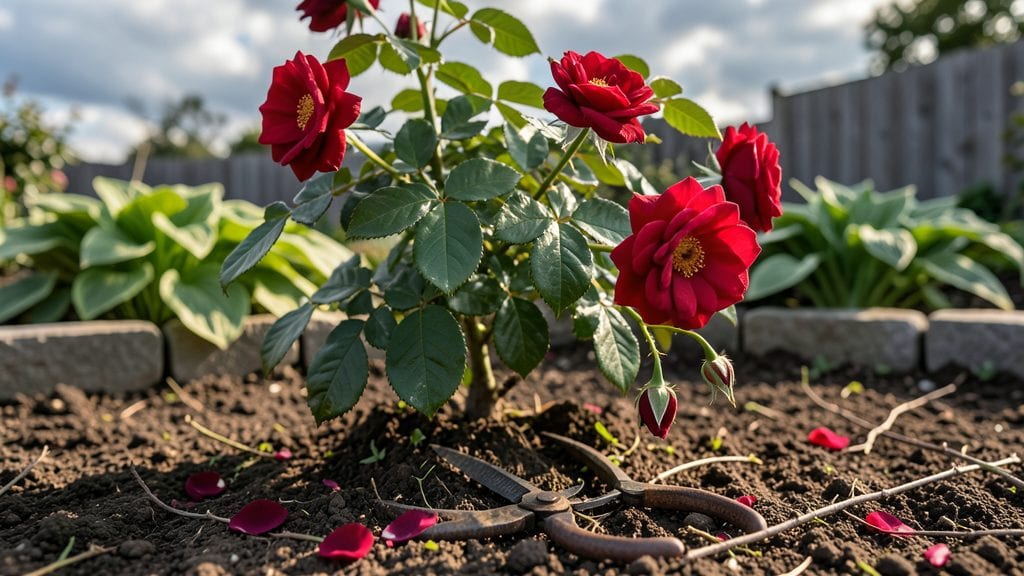
Understanding prune plants meaning reveals it’s about more than just cutting back—it’s a strategic way to redirect a plant’s energy toward stronger growth, better fruit production, and improved health by removing overcrowded or weak growth. This process also helps prevent disease and shapes the plant’s structure for long-term vitality.
Pruning works by manipulating a plant’s natural growth hormones, like auxins, which control how energy flows through its system.
When you trim back certain branches, you’re essentially telling the plant to focus its resources elsewhere, often spurring the growth of new shoots or fruit-bearing branches. 🌿 For example, heavy pruning in early spring can encourage lush foliage, while lighter trims in late summer might boost fruit development.
The key is timing—pruning at the wrong time can stress the plant or even reduce next year’s harvest.
What many gardeners overlook is how pruning affects the plant’s overall shape and air circulation. By removing dead or crossing branches, you’re not just tidying up—you’re creating space for sunlight and air to reach inner growth, which reduces the risk of fungal diseases like powdery mildew.
This is especially important for fruit trees, where proper pruning can mean the difference between a sparse harvest and a bountiful one.
💡 In This Article
- How Pruning Affects Plant Growth Mechanisms
- Best Pruning Practices for Fruit Trees and Ornamentals
How pruning affects plant growth mechanisms
When you make a precise cut on a plant, you're not just removing foliage—you're triggering a hormonal cascade that reshapes its growth patterns. The plant's natural growth regulators, particularly auxins (like indole-3-acetic acid or IAA), dominate the tips of branches and suppress the development of lateral buds.
By removing these apical buds through pruning, you eliminate this inhibitory effect, allowing dormant side buds to wake up and grow into new branches. This process, called apical dominance release, can increase branching by up to 30-50% in some species like apple trees.
The wound created by pruning also stimulates the production of cytokinins, hormones that promote cell division and encourage the formation of new shoots.
Studies show that within 24-48 hours of a clean cut, cells near the wound begin producing higher levels of these growth hormones, which can lead to thicker, more vigorous growth.
The plant's natural defense mechanisms kick in too—cut surfaces rapidly form callus tissue to seal the wound, which often results in stronger, more resilient new growth. 🌱 This defensive response is why properly pruned plants often recover faster from stress and diseases.
Aggressive pruning has dramatic effects compared to light trimming. Heavy pruning—like removing 30-50% of a plant's canopy—can stimulate rapid root growth as the plant redirects energy below ground, but it may delay flowering or fruiting for 1-2 years while the plant rebuilds its structure.
In contrast, light pruning (removing 10-20% of growth) maintains the plant's current productivity while gradually improving its shape. For example, a citrus tree heavily pruned in winter might produce fewer oranges that season but will develop a stronger framework for larger harvests in subsequent years.
The timing of pruning affects which hormones dominate. Early spring pruning, when auxin levels are naturally rising, encourages vigorous vegetative growth, while late-winter pruning (just before buds swell) promotes flowering.
Summer pruning, however, can stimulate new growth that may not harden off before winter, making the plant more vulnerable to frost damage. The key is understanding your plant's growth cycle—deciduous fruit trees like peaches respond best to dormant-season pruning, while evergreens like boxwoods tolerate light trimming year-round.
Consider the case of a rose bush: Pruning back one-third of its canes in late winter removes old, weak growth and redirects energy to 2-3 new primary canes that will produce more blooms. The plant's cytokinin levels surge in these new shoots, leading to thicker stems and larger flower buds.
Without this intervention, the bush might produce fewer, smaller flowers while becoming overcrowded and disease-prone. This hormonal response explains why professional rose growers achieve 40-60% more blooms through strategic pruning compared to unpruned bushes.
What most gardeners don't realize is how pruning affects the plant's overall energy budget. Each cut removes not just leaves but also the photosynthetic capacity of that branch. However, the plant's root system often compensates by growing more extensive roots to support the new growth.
In some cases, like with grapevines, proper pruning can increase root biomass by 20-30% while simultaneously boosting fruit quality. The balance between above-ground growth and below-ground development is what determines whether pruning will benefit or harm your plant.
For optimal results, always use clean, sharp tools to make cuts at a 45-degree angle just above a bud or lateral branch. This technique minimizes wound size and directs new growth in the desired direction.
The science behind pruning shows it's not just about aesthetics—it's about harnessing a plant's natural growth mechanisms to create stronger, more productive specimens. 🌿