
How To
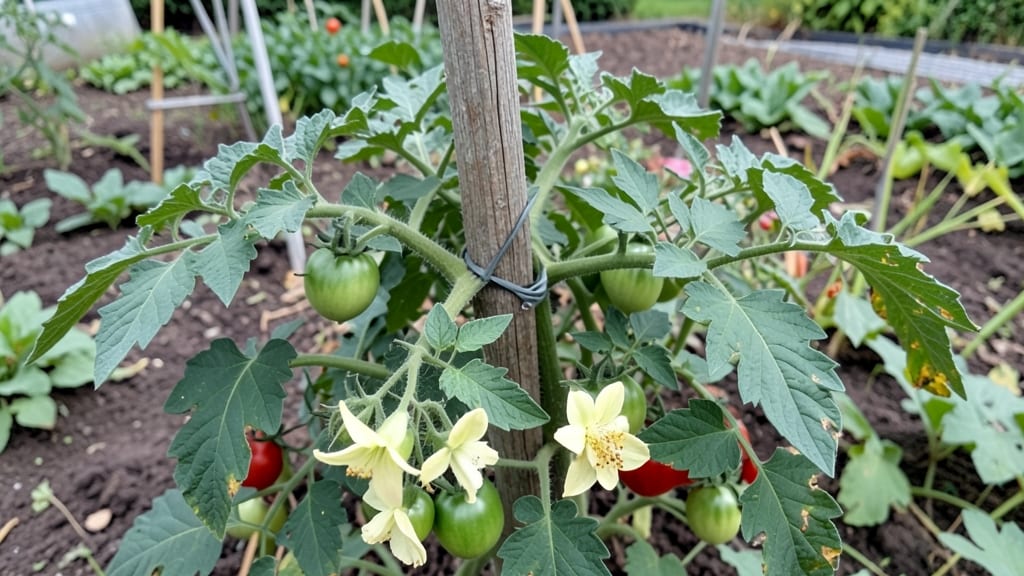
Understanding how tall tomato plants grow—from petite 2-foot bushes to sky-high 10-foot vines—will change how you plan your garden.
Ever noticed how your cherry tomatoes stay neatly contained in a cage while that heirloom beefsteak sprawls across the fence? That’s not just luck — it’s all about the variety, your care routine, and how you train those vines.
Get this right, and you’ll end up with a bountiful harvest instead of a tangled mess.
Determinate varieties like Roma or Bush Early Girl hit their mature height of 3-4 feet and produce all their fruit at once, while indeterminate types such as Sungold or Brandywine keep growing until frost, sometimes reaching 6 feet or more if you let them.
The key? Knowing which type you’re growing and giving it the right support from day one.
In this guide, I’ll break down the height ranges by variety, show you how to control growth with pruning and staking, and share the common mistakes that keep plants stunted or sprawling.
Whether you’re working with limited space or dreaming of a backyard jungle, you’ll learn how to shape your tomatoes for success.

Tomato plant height by variety: determinate vs indeterminate growth patterns
Understanding tomato plant height starts with knowing whether your variety is determinate or indeterminate. These terms describe how tall a plant grows and whether it produces fruit in clusters or continuously.
Determinate varieties stop growing at a set height, while indeterminate types keep climbing until frost. This difference affects everything from support needs to harvest timing.
Determinate tomatoes, often called bush tomatoes, are ideal for gardeners with limited space or those who prefer a single harvest. They typically reach 3 to 5 feet tall and produce fruit all at once, making them perfect for canning or sauces.
Indeterminate varieties, on the other hand, can grow 6 to 12 feet tall or more, producing fruit continuously throughout the season. This makes them great for slicing tomatoes or extended harvests.
Choosing the right tomato support system depends entirely on the variety. Determinate plants thrive in sturdy cages or low trellises, while indeterminate types need strong trellises, bamboo stakes, or even overhead wires to handle their weight.
Without proper support, indeterminate plants can topple over, snapping stems and losing fruit.
Here’s how to choose the right variety and support for your garden:
<comparison-table>If you’re growing determinate tomatoes, opt for 4–5 foot cages or low trellises to prevent sprawling. These varieties focus their energy on producing fruit quickly, so they don’t need as much vertical space.
For indeterminate varieties, invest in tall trellises or overhead wires to support their weight and improve air circulation, reducing disease risk.
One common mistake is assuming all tomatoes need the same support. Cherry tomatoes like Sungold are indeterminate and can climb to 10 feet, while paste tomatoes like Roma stay compact at 3–4 feet.
Always check the seed packet or plant tag for height estimates to plan your garden layout effectively.
Another factor influencing height is pruning habits. Indeterminate plants benefit from regular pruning to remove suckers (side shoots) and direct energy toward fruit production. Determinate plants, however, should be pruned minimally to avoid reducing their natural bushiness. Over-pruning can stunt growth entirely, leaving you with fewer tomatoes.
For container gardening, choose determinate varieties or dwarf indeterminate types like Tiny Tim, which max out at 2–3 feet. Use 5-gallon pots with sturdy cages to keep plants contained.
Indeterminate varieties in containers may need dwarfing techniques, like frequent pruning or smaller cages, to prevent them from becoming top-heavy.
Light and soil quality also play a role in height. Full sun exposure (6+ hours daily) encourages taller growth, while nutrient-rich soil with compost ensures strong stems. If your tomatoes seem stunted, check for nutrient deficiencies (like yellowing leaves) or poor drainage, both of which can limit vertical growth.
Pro tip: If you love heirloom tomatoes like Brandywine, be prepared for 8–10 foot vines. These beauties need robust support and plenty of space. Plant them near a fence or trellis and train vines upward to save garden real estate while enjoying a bountiful harvest.
How to control tomato plant height: pruning, staking, and support techniques
Managing tomato plant height is key to maximizing fruit production while preventing disease and pests. Without proper support systems, even the hardiest varieties like Sungold cherry tomatoes can flop or become overburdened. The good news?
With the right techniques—like pruning, staking, or using tomato cages—you can guide their growth and keep your harvest thriving. Let’s break down how to balance height with productivity.
Tomato plants grow differently based on their genetic type. Indeterminate varieties (like Beefsteak or Brandywine) keep growing taller and producing fruit all season, while determinate varieties (like Roma or Celebrity) stop growing once they flower.
Your support choice depends on these traits. For example, indeterminate plants often need trellises or bamboo stakes, while determinate plants thrive in cages or minimal staking.
- Indeterminate varieties: Grow 6-12+ feet tall with continuous blooming and fruiting (e.g., Sungold, Black Krim). Require vertical support like trellises.
- Determinate varieties: Reach 3-5 feet tall, set fruit all at once, and stop growing (e.g., Roma, Patio). Thrive in cages or minimal staking.
- Semi-determinate varieties: Hybrid growth—4-6 feet tall with staggered fruiting (e.g., Better Boy, Celebrity). Use stakes or lightweight cages.
- Dwarf varieties: Stay 1-3 feet tall (e.g., Tiny Tim, Micro Tom). Ideal for containers and no support needed.
- Growth factors: Sunlight, water, soil nutrients, and pruning all influence height and fruit yield.
Pruning is one of the most effective ways to control tomato plant height while boosting fruit quality. For indeterminate varieties, I recommend removing suckers (the small shoots that grow between the main stem and branches) every 1-2 weeks.
This redirects energy to fruit production instead of excessive foliage. For determinate varieties, minimal pruning is needed—just remove yellow or diseased leaves to improve airflow. Over-pruning can stress the plant, so always leave 3-5 main stems for support.
Choosing the right support system makes all the difference. Bamboo stakes are budget-friendly and work well for single-stem varieties, but they may not handle heavy fruit loads like Beefsteak tomatoes.
For these, metal stakes or trellises provide sturdier support. Tomato cages are ideal for determinate varieties or small gardens, but avoid overcrowding—leave 18-24 inches between cages to prevent disease spread. Pro tip: Tie plants to supports with soft garden twine to avoid damaging stems.
Balancing height control with fruit production is an art. If your plants grow too tall too fast, they may flop or develop blossom end rot from uneven water uptake. To fix this, prune back the top growth and add additional support immediately.
For container-grown tomatoes, use smaller cages or floral picks to save space. Remember: the goal isn’t just tall plants—it’s healthy, productive vines that yield delicious tomatoes all season long.
Don’t forget that soil health and watering habits play a huge role in height. Overwatering can lead to weak stems, while underwatering causes stunted growth. Aim for deep, infrequent watering (1-2 gallons per plant, 2-3 times per week) and mulch around the base to retain moisture.
A balanced fertilizer (like 5-10-10) applied every 3-4 weeks during the growing season ensures your plants have the nutrients they need to grow strong—not just tall.