
How To
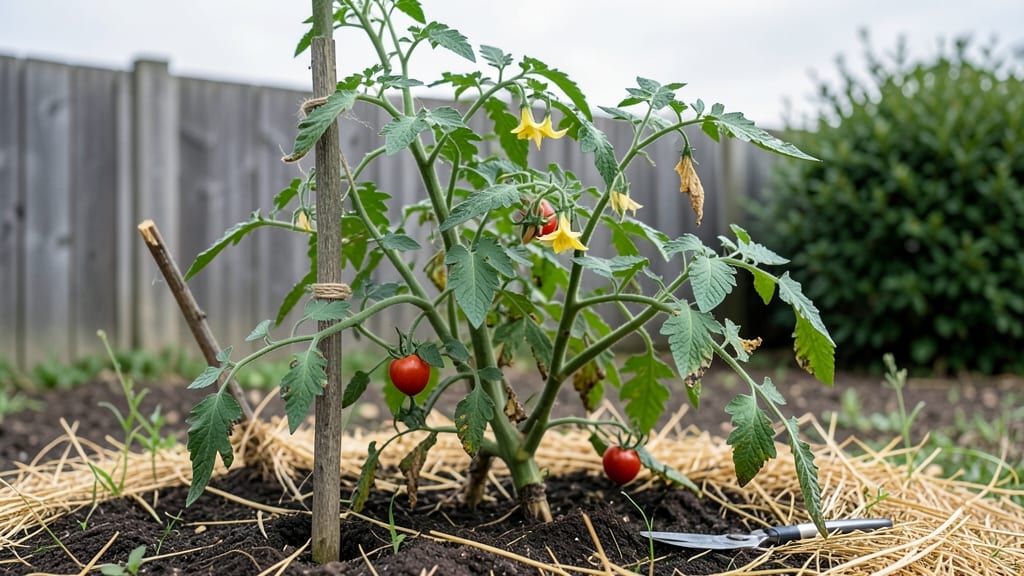
Growing tall tomato plants means reaching for the sky—not just in height, but in flavor and productivity. 🌱 I’ve watched my indeterminate ‘Sungold’ vines climb 10 feet by summer’s end, producing tomatoes that dwarf store-bought varieties.
The secret isn’t just choosing the right plants; it’s giving them the support, pruning, and care they need to grow strong, not floppy.
Start with indeterminate varieties like ‘Cherokee Purple’ or ‘Brandywine,’ which keep growing until frost. Pair them with 6-foot stakes or sturdy cages buried deep—think of it as giving your plants a backbone.
Prune suckers (those little shoots between stems) weekly to focus energy upward, and water at the base to keep stems firm. Skip the top-heavy mistakes: weak stems snap under heavy fruit, but consistent care turns them into towering, productive giants.
📚 In This Guide
- What you need
- Instructions
- Tips and common mistakes
- Wrapping up and next steps
What you need
- ● Tomato seeds or seedlings: Choose indeterminate varieties (e.g., 'Sungold,' 'Brandywine,' or 'Cherokee Purple') for tall, vining growth. Quantity: 2–4 plants per stake.
- ● Containers or garden bed: Containers: 5-gallon pots or larger (minimum 12–18 inches deep for root space). Quantity: 1 per plant.
- ● Garden bed: Well-draining soil with 6+ hours of sunlight daily.
- ● Support system: Stakes: 6–8 ft bamboo or wooden stakes (1 per plant).
- ● OR Trellis: Tall tomato cages (5–6 ft) or A-frame trellis (for multiple plants).
- ● Twine/garden ties: Soft plant ties or Velcro straps (5–10 per plant).
- ● Potting mix: High-quality, well-draining mix (e.g., 60% potting soil + 30% compost + 10% perlite). Quantity: 1–2 bags (7–10 qt each).
- ● Fertilizer: Balanced fertilizer: 10-10-10 or 5-5-5 (mixed into soil at planting).
- ● Slow-release granules: Organic options like fish emulsion or worm castings (for ongoing nutrition).
- ● Watering tools: Drip irrigation or soaker hose (to keep soil moist without wetting leaves).
- ● Watering can with a rose attachment (for containers).
- ● Pruning shears: For trimming suckers (small side shoots) to direct energy upward. 🌿
- ● Mulch: Straw or shredded leaves to retain moisture and suppress weeds.
- ● Mycorrhizal fungi: Adds to soil to boost root health (mix into potting soil).
- ● Shade cloth: 30–50% coverage for hot climates to prevent sunburn on young plants.
- ● Plant markers: Label varieties to track growth progress!
Step-by-Step guide to training tomato plants for maximum height
Tall, sturdy tomato stems aren't luck—they're the result of strategic support and consistent care.
🌱 Step 1: Select the Right Variety and Plant Strong Seedlings
Start with indeterminate tomato varieties like 'Sungold' or 'Brandywine,' bred to grow continuously until frost. These types can reach 6-10 feet with proper support. I always buy seedlings from reputable nurseries because they've been bred for vigor and disease resistance.
Look for seedlings with thick, dark green stems and compact spacing between leaves. Avoid leggy or pale plants—they'll struggle to support their own weight. Plant them 12-18 inches apart in deep, well-draining soil enriched with compost. The deeper the roots go, the taller the plant will grow.
🪴 Step 2: Install Support Structures Early
Drive a 6-foot wooden stake or metal rod into the ground beside each plant at planting time. Bury at least 12 inches deep for stability—this ensures the stake won't lean or topple as the plant grows. For extra strength, I weave soft garden twine loosely around the stake and tie it to the main stem every 12 inches.
Don't wait until the plant is already leaning—weak stems can snap under their own weight. The twine should be snug but not tight enough to cut into the stem. As the plant grows, gently weave new twine into the existing loops, always guiding the main stem upward. This method prevents wind damage and encourages vertical growth.
☀️ Step 3: Prune for Airflow and Strength
Remove all suckers—those small shoots that form in the leaf axils—except for the first few at the base. These compete for energy and weaken the main stem. I prune suckers when they're 2-3 inches long using clean pruners, making a sharp cut just above the leaf. This keeps the plant focused on vertical growth rather than bushy sprawl.
Also, trim lower leaves that touch the soil to prevent disease. You'll know you're doing it right when the plant has a single strong stem with well-spaced leaves and no competing growth. This open structure allows sunlight to reach all parts of the plant, promoting even growth.
💧 Step 4: Water and Feed Consistently
Deep watering once a week (or more in hot weather) encourages roots to grow deep, which supports taller growth. Water at the base in the morning so the foliage dries quickly, reducing disease risk. I always check soil moisture by sticking my finger 2 inches down—if it feels dry, it's time to water.
Fertilize every 2-3 weeks with a balanced organic fertilizer (10-10-10) to provide steady nutrients. Tall plants need more potassium to strengthen stems and prevent blossom-end rot. Avoid high-nitrogen fertilizers—they promote leafy growth at the expense of structural strength. You'll see healthier, sturdier stems when the plant's leaves are deep green and firm to the touch.
✂️ Step 5: Monitor and Adjust Support Weekly
Check the twine and stakes every 7-10 days to ensure they're still secure. Tomatoes grow surprisingly fast, and a loose tie can cause the stem to bend or break. If the plant outgrows its support, add an extension to the stake or replace it entirely with a taller one.
Watch for signs of stress like yellowing leaves or wilting—these often indicate the plant is struggling with its weight. If you see this, trim back some fruit to reduce the load. A healthy tall tomato plant should have a straight, upright stem with no signs of leaning or bending. With consistent care, you'll end up with plants that reach their full potential height while producing heavy, flavorful fruit.
Tips & tricks for growing towering tomato plants
Here's what nobody tells you about growing tomatoes that reach for the sky—these are the secrets that separate good plants from garden showstoppers.
The Stake Depth Secret: In Step 2, when you're driving that 6-foot stake into the ground, don't skimp on depth. Bury it at least 12 inches deep and angle it slightly toward the plant for maximum stability. I've seen stakes topple when buried less than 8 inches—especially in windy conditions. For extra insurance, pound a second stake on the opposite side if you're in a high-wind area. The goal is to create an unshakable anchor that grows with your plant.
Pruning Technique That Changes Everything: When you're removing those 2-3 inch suckers in Step 3, make your cuts at a 45-degree angle just above a leaf node. This creates a larger surface for healing and prevents water from pooling where the cut was made. I also recommend using clean, sharp pruners—dull tools crush stems and invite disease. The cleaner your cuts, the faster the plant recovers and continues its upward growth without stress.
Fertilizer Timing Is Critical: That 2-3 week fertilization schedule in Step 4 is non-negotiable for tall plants. But here's the trick: apply fertilizer in the morning after watering so the roots can absorb nutrients immediately. I've found that adding a handful of banana peels to the soil around the plant provides extra potassium naturally—just bury them 2 inches deep where you check soil moisture. This helps prevent blossom-end rot while strengthening stems.
Support System Upgrade: For plants that threaten to exceed the 10-foot mark, consider upgrading from garden twine to a more robust support system. I've had success with soft plant ties or even old pantyhose cut into strips—they're gentler on stems than twine and can be adjusted as the plant grows. Remember to check those ties every 7-10 days (as in Step 5) because a single loose tie can cause the entire plant to lean dangerously.
Pro Tips for Grow Tall Tomato Plants
- Here's what nobody tells you about growing tomatoes that reach for the sky—these are the secrets that separate good plants from garden showstoppers.
- The Stake Depth Secret: In Step 2, when you're driving that 6-foot stake into the ground, don't skimp on depth.
- Pruning Technique That Changes Everything: When you're removing those 2-3 inch suckers in Step 3, make your cuts at a 45-degree angle just above a leaf node.
Frequently asked questions
about growing tall tomato plants—because even the best gardeners hit snags! Here are answers to the most common questions to keep your vines thriving and your harvests soaring.How tall can tomato plants really grow with support?
With proper staking, pruning, and care, indeterminate tomato varieties can reach 6 to 10 feet (or even taller!) in a single season. Determinate types, however, typically max out at 4–5 feet. The key? Strong cages, trellises, or bamboo stakes—and regular training to guide their growth upward.
When should I start pruning tall tomato plants for height?
Begin pruning when your plants are 12–18 inches tall, focusing on removing suckers (the small shoots that form between the stem and branches). Prune early in the morning to reduce stress, and avoid over-pruning—leave 3–5 main stems for optimal airflow and fruit production. Pro tip: Use clean shears to prevent disease!
Why are my tall tomato plants wilting even with plenty of water?
Wilting in tall tomatoes often signals overheating, root stress, or disease. Check for:
- Blossom end rot (calcium deficiency—try crushed eggshells or calcium spray).
- Fungal issues (like early blight)—remove affected leaves and improve airflow.
- Root-bound pots—if container-grown, repot or trim roots gently.
Can I grow tall tomatoes in containers, or do they need ground space?
Tall tomatoes thrive in 5-gallon+ containers with proper drainage. Use a balanced fertilizer (like 10-10-10) and deep pots (at least 12 inches) to support roots. Dwarf or patio varieties (e.g., ‘Tiny Tim’) are great for small spaces, but even standard tall types can flourish with weekly feeding and sturdy stakes.
What’s the best way to protect tall tomatoes from wind or heavy fruit?
Wind and top-heavy fruit can snap stems! Use:
- Windbreaks (like burlap or trellis screens) for gusty areas.
- Double stakes (tie plants to two supports at 45° angles for stability).
- Prune lower leaves to reduce weight and improve airflow.
Bonus Tip:
Struggling with pests? Try neem oil or introduce ladybugs for natural aphid control. And if your soil’s too heavy, mix in compost to boost drainage—tall tomatoes hate soggy roots!
Wrapping up and next steps
Growing tall, sturdy tomato plants is all about patience, technique, and a little extra love—but the rewards are oh-so-sweet! 🍅 With the right stakes, pruning, and care, you’ll soon be harvesting sky-high tomatoes that put even the tallest vines to shame.
Remember: consistency is key, and every gardener starts somewhere!
Ready to take the next step? Plant those seeds (or seedlings) and get growing! Before you know it, you’ll be the proud owner of a homegrown tomato tower—and maybe even inspiring your neighbors to try it too. Happy gardening! 🌱✨