
Plants
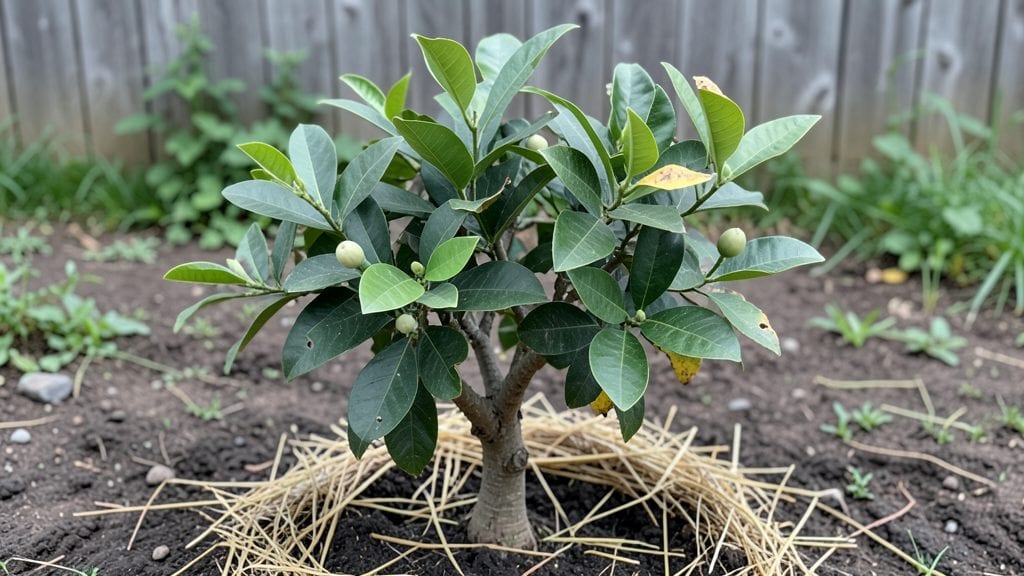
Grapefruit plant leaves aren’t just pretty—they’re nature’s pest repellent. 🌿 I’ve seen how their sharp citrus scent keeps aphids and whiteflies at bay, but when those leaves start yellowing or wilting, the plant’s defenses weaken.
The good news? Most issues have simple fixes, and I’ll walk you through spotting the signs early.
Yellowing leaves often mean overwatering or nutrient deficiencies, while brown spots could signal fungal issues or pests. Wilting usually points to underwatering or root problems. The key is checking the soil moisture and leaf texture—healthy leaves feel firm, not mushy or brittle.
I’ve saved plenty of grapefruit trees by catching these signs before they spread.
With the right care, your grapefruit plant’s leaves will stay glossy, fragrant, and effective at keeping pests away. You’ll learn to prune properly, adjust watering, and even use homemade sprays to restore that vibrant green. The best part? A thriving grapefruit tree means sweet, homegrown fruit within a few years.
Works for both potted plants and those in the ground, whether you’re growing in a sunny patio or a warm climate. Let’s get those leaves back to their best—and keep those pests guessing.
Root Causes of Leaf Stress
Understanding why your grapefruit plant’s leaves might be struggling starts with identifying the underlying triggers. Grapefruit plants (Citrus × paradisi) are resilient, but they’re also sensitive to environmental and biological factors.
Below, we break down the most common reasons your leaves may be yellowing, wilting, or dropping—along with the science behind each issue.
Grapefruit plants thrive in well-draining soil and moderate moisture, but too much water can suffocate their roots. Here’s why it happens:
- Root Rot Fungus (Phytophthora spp.): Excess water creates an anaerobic (oxygen-deprived) environment, encouraging fungal growth.
Fungi like Phytophthora block nutrient uptake, causing leaves to turn yellow or brown and drop prematurely. - Nutrient Leaching: Overwatering washes away essential minerals (like nitrogen, potassium, and magnesium) from the soil, leading to chlorosis (yellowing between leaf veins). - Oxygen Starvation: Roots need oxygen to respire.
Waterlogged soil forces roots to "drown," triggering ethylene production—a plant stress hormone that accelerates leaf senescence (aging).
Actionable Fix:
- Test your soil with a moisture meter (ideal: 60% dryness between waterings).
- Amend heavy clay soil with perlite or sand to improve drainage.
- Repot if roots are mushy or black (signs of rot).
While overwatering is a common killer, chronic underwatering can also devastate grapefruit leaves. Here’s the science:
- Plasma Membrane Damage: When soil dries out, roots struggle to absorb water, causing osmotic stress.
Cells lose turgor pressure, leading to wilting, crispy edges, or leaf drop. - Abscisic Acid Surge: This stress hormone signals the plant to shed leaves to conserve water, often starting with older foliage. - Nutrient Transport Shutdown: The plant prioritizes survival over growth, halting nutrient flow to leaves, which turn yellow or brown from the edges inward.
Actionable Fix:
- Water deeply (1–1.5 inches per week) but only when the top 2 inches of soil are dry.
- Mulch with organic matter (like straw) to retain moisture.
- Avoid shallow watering—aim for the root zone (6–12 inches deep).
Grapefruit leaves are nutrient sponges, and deficiencies show up fast. Here’s what’s missing when leaves look sad:
| Symptom | Likely Deficiency | Why It Happens |
|---|---|---|
| Yellow leaves (veins stay green) | Nitrogen (N) | Nitrogen is crucial for chlorophyll. Poor soil or overwatering leaches it away. |
| Yellow between veins (chlorosis) | Magnesium (Mg) | Grapefruits need Mg for chlorophyll. Compacted soil or high pH locks it out. |
| Purple/red stems & leaves | Phosphorus (P) | P aids energy transfer. Cold soil or over-fertilizing with nitrogen can deplete P. |
| Brown leaf tips | Potassium (K) | K regulates water and disease resistance. Salty water or poor drainage washes it out. |
Actionable Fix:
- Test soil pH (ideal: 6.0–7.0). Adjust with lime (to raise pH) or sulfur (to lower it).
- Fertilize seasonally:
- Spring/Summer: Balanced 6-6-6 or 10-10-10 fertilizer.
- Fall: High-potassium (5-10-10) to harden leaves for winter.
- Use compost tea for a slow-release nutrient boost.
Leaves aren’t just suffering from environmental stress—they’re often under siege by pests or pathogens. Here’s how they strike:
- Citrus Leaf Miner (Phyllocnistis citrella): Larvae burrow into leaves, creating white, serpentine trails. Heavy infestations cause premature leaf drop. - Scale Insects: These sap-sucking pests (like citrus mealybug) excrete honeydew, fostering sooty mold (a black fungal growth).
Leaves yellow and curl as the plant diverts energy to fight off invaders. - Fungal Leaf Spot (Alternaria or Cercospora): Dark, circular spots with yellow halos appear in humid conditions. Fungi thrive when leaves stay wet overnight.
Actionable Fix:
- Inspect leaves undersides with a magnifying glass for eggs, webbing, or spots.
- Spray neem oil (1 tsp per quart of water) weekly for pests.
- Prune infected leaves and disinfect pruners with rubbing alcohol.
- Improve airflow by spacing plants 6–8 feet apart.
Grapefruit plants are tropical but can overheat or freeze if conditions swing too extreme. Here’s how:
- Sunburn: Intense afternoon sun (especially in hot climates) causes bleached, crispy patches on leaves. The plant’s cuticle (protective layer) breaks down from UV radiation. - Cold Damage: Temperatures below 28°F (-2°C) trigger chilling injury.
Leaves turn black or brown as cell membranes rupture. - Wind Scorch: Strong winds dry leaves faster than roots can replace moisture, leading to brown, papery edges.
Actionable Fix:
- Acclimate young plants gradually to full sun (start with 4–6 hours/day).
- Use shade cloth (30–50%) in peak summer or winter.
- Mulch heavily in winter to insulate roots.
- Windbreaks: Plant fast-growing shrubs (like Murraya paniculata) as barriers.
Fixing Grapefruit Leaf Issues Fast
Got yellowing, curling, or spotted leaves on your grapefruit plant? Don’t panic—most problems have simple fixes! Below, we’ve mapped common grapefruit leaf issues to practical solutions, plus prevention tips to keep your citrus tree thriving. 🌿✨
Cause: Too much water, poor drainage, or lack of key nutrients (like nitrogen, magnesium, or iron). Fix It:
- Check the soil – Stick your finger 2 inches deep. If damp, hold off on watering. Grapefruit trees hate soggy roots! 💦
- Flush the soil – Run water through the pot for 5–10 minutes to leach excess salts or chemicals.
- Fertilize smartly – Use a balanced citrus fertilizer (like 6-6-6 or 8-3-9) every 4–6 weeks in growing season. For yellowing between veins (magnesium deficiency), sprinkle Epsom salt (1 tbsp per gallon of water) monthly. 🌱
- Repot if needed – If roots are circling or soil is compacted, upgrade to a larger pot with drainage holes and fresh potting mix.
Prevent It: ✅ Water only when the top 1–2 inches of soil are dry. ✅ Use well-draining soil (mix potting soil with perlite or sand). ✅ Avoid tap water high in chlorine—use rainwater or filtered water instead.
Cause: Spider mites, aphids, scale insects, or environmental stress (drought, wind, or temperature swings). Fix It:
- Inspect leaves – Hold a white sheet under the plant and shake gently. Tiny pests? Time to act! 🕷️
- Blast off pests – Spray leaves with neem oil solution (1 tsp neem oil + 1 tsp mild soap per quart of water) or insecticidal soap. Repeat every 3–5 days for 2 weeks.
- Wipe down leaves – Use a damp cloth to remove sticky aphid residue (honeydew) that attracts sooty mold.
- Adjust care – If no pests, check for underwatering (curls = thirsty plant) or sunburn (move to partial shade if leaves are crispy).
Prevent It: 💡 Quarantine new plants for 2 weeks before introducing them to your grapefruit tree. 💡 Encourage beneficial insects (like ladybugs) by planting marigolds or basil nearby. 💡 Mist leaves occasionally to boost humidity (pests love dry air!).
Cause: Citrus leaf miner (tiny worms), anthracnose fungus, or sun scorch (too much direct midday sun). Fix It:
- For leaf miners – Prune heavily infested leaves and drop them in soapy water (don’t compost!). Spray with horticultural oil (follow label instructions). 🐛
- For fungal spots – Remove affected leaves and spray with copper fungicide or a baking soda mix (1 tbsp baking soda + 1 tsp soap per gallon of water).
- For sunburn – Move your plant to a spot with morning sun + afternoon shade, especially in hot climates.
Prevent It: ✨ Avoid overhead watering (keeps leaves dry and fungus-free). ✨ Prune for airflow – Trim dense branches to reduce humidity buildup. ✨ Use mulch around the base to protect roots from temperature swings.
Cause: Overwatering (most common!) or root-bound plants. Fix It: 1. Check the roots – Gently remove the plant from its pot. If roots are black/mushy, it’s root rot. Trim healthy roots and repot in fresh, dry soil.
- Adjust watering – Let the soil dry completely between waterings. Stick to deep waterings (soak until water drains from the bottom) rather than frequent light sprinkles.
- Improve drainage – If repotting, add a layer of gravel at the bottom of the pot.
Prevent It: 🔥 Use pots with drainage holes—no exceptions! 🔥 Water at the base (not the leaves) to avoid fungal issues. 🔥 Monitor humidity – Wilting can also signal low humidity; try a pebble tray under the pot.
If your grapefruit tree is looking generally stressed, try this quick reset:
- Prune dead/damaged leaves with clean scissors.
- Fertilize lightly with a seaweed-based tonic for a nutrient boost.
- Give it a shower – Rinse leaves with water to remove dust (helps photosynthesis!).
- Adjust light – Most grapefruit trees thrive in 6–8 hours of sunlight daily but need protection from intense afternoon sun.
Pro Tip: 🌡️ Temperature matters! Grapefruit trees hate cold drafts (below 30°F) or heat waves (above 95°F). Keep them in a stable environment when possible.
Frequently asked questions
Why do my grapefruit leaves turn yellow?
Yellowing leaves usually signal overwatering or nutrient deficiencies. Check soil moisture—if it's damp, hold off on watering. For yellowing between veins, your plant may need magnesium (try Epsom salt spray). Always ensure proper drainage to prevent root rot.
Can I use grapefruit leaves as natural pest control?
Crush fresh leaves and rub them on stems or place them near your plant. The strong citrus scent repels aphids, whiteflies, and spider mites. Refresh every 2-3 weeks for best results. This works especially well for indoor plants.
How often should I fertilize a grapefruit tree?
Feed your grapefruit tree every 4-6 weeks during spring and summer using a balanced citrus fertilizer (6-6-6 ratio). In fall, switch to a high-potassium formula (5-10-10) to strengthen leaves for winter. Avoid fertilizing in winter when growth slows.
What causes brown spots on grapefruit leaves?
Brown spots typically indicate fungal infections (like anthracnose) or environmental stress. Remove affected leaves immediately and improve airflow around your plant. For prevention, avoid overhead watering and apply copper fungicide if needed.
Can I grow grapefruit trees indoors?
Yes, but they need plenty of light—place near a south-facing window or use grow lights for 6-8 hours daily. Keep humidity high (use a pebble tray) and maintain temperatures above 60°F. Dwarf varieties work best for indoor growing.