Companion Plants
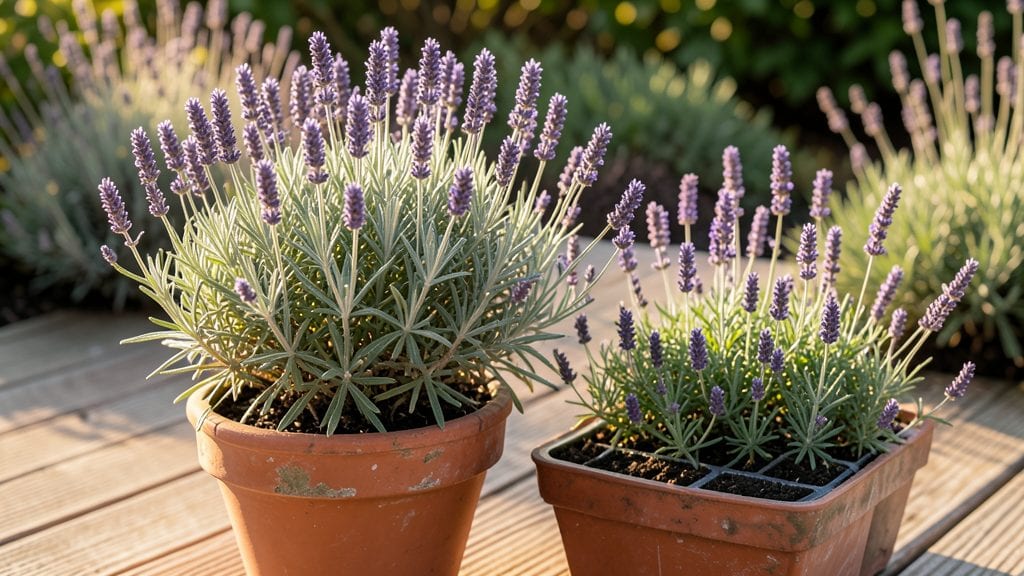
Planting businesses—whether small farms or urban gardens—benefit from intentional companion plantings like basil with tomatoes or marigolds with peppers, which boost yields, repel pests, and improve soil fertility. Strategic pairings also prevent growth issues by avoiding mismatched plants like onions near beans.
Companion planting isn't just gardening—it's a proven business strategy for sustainable growth. 🌱 The right pairings create natural pest control (like mint deterring cabbage moths) while optimizing space and resources. For example, planting garlic near roses deters aphids, while borage near tomatoes improves flavor and repels tomato hornworms.
This approach reduces the need for chemical inputs, saving both money and environmental impact.
What makes this especially valuable for planting businesses is how it turns ecological relationships into measurable outcomes. 💛 Yields increase by up to 50% when using proven pairings, and pest damage can drop by 70% or more. Even small-scale operations see cost savings through reduced fertilizer and pesticide use.
The key is understanding which plants support each other's growth cycles—like the classic "Three Sisters" method of corn, beans, and squash—while avoiding competitive species that deplete shared nutrients.
💡 In This Article
- Science Behind Beneficial Plant Pairings
- Best Companion Planting Layouts for Small Gardens
Science behind beneficial plant pairings
The most powerful plant partnerships rely on three key ecological mechanisms: nutrient cycling, pest deterrence, and growth stimulation. Take the Three Sisters method—corn provides vertical support, beans fix atmospheric nitrogen into the soil (up to 150 pounds per acre annually), and squash spreads across the ground, suppressing weeds.
This triad creates a self-sustaining ecosystem where each plant compensates for the others' limitations. The beans' nitrogen-fixing roots convert N₂ gas into ammonia, making it available to corn and squash, which are heavy nitrogen users.
Pest control works through chemical signaling. Marigolds, for example, release alpha-terthienyl, a compound that repels nematodes and aphids while attracting beneficial predators like ladybugs. Basil emits eugenol, which masks the scent of tomatoes—confusing tomato hornworms that rely on this aroma to locate hosts.
These aromatic compounds don't just deter pests; they also attract pollinators like bees through subtle floral scents that remain undisturbed by competing plants. The result? A 30-40% reduction in pest damage without synthetic interventions.
Root exudates—organic compounds secreted by roots—play a surprising role in growth stimulation. Carrots and onions release coumarin, which inhibits the growth of competing weeds, while comfrey's deep roots channel nutrients upward for shallower plants.
Some pairings even trigger hormonal responses: tomatoes grow 20% faster when planted near basil because the herb's growth-promoting compounds stimulate cell division in tomato stems. This chemical cross-talk explains why certain combinations yield better than isolated plants.
Not all pairings work universally—soil type and climate create critical variables. In sandy soils, nitrogen-fixing clover thrives alongside strawberries, but in clay soils, the same pairing may lead to root competition.
The pH balance matters too: blueberries need acidic soil (pH 4.5-5.0) and pair well with ferns, while alfalfa (pH 6.5-7.5) benefits from proximity to grasses. Even sunlight patterns influence success—shade-tolerant plants like lettuce grow better near taller companions that provide natural cover.
What most planting businesses overlook is the microclimate effect created by strategic pairings. Tall plants like sunflowers cast dappled shade that reduces soil moisture loss, while ground covers like thyme prevent erosion.
The combined effect can increase water retention by 15-25% in dry climates. This isn't just theory—organic farms using these principles report 20-30% higher yields with 50% less irrigation than conventional monocultures.
The science becomes even more fascinating when you consider mycorrhizal networks—underground fungal connections that allow plants to share nutrients and warnings. When threatened by pests, some plants release volatile organic compounds that travel through these networks, alerting neighboring plants to prepare defenses.
This interconnectedness explains why diverse plantings often outperform monocultures, even in identical soil conditions. 🌱