
Flowers
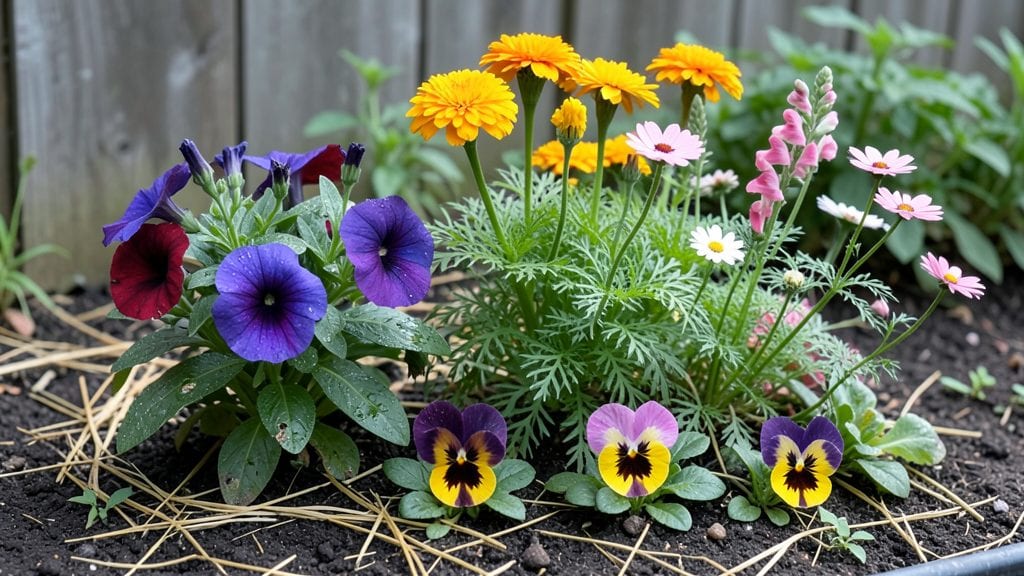
Freshly planted flowers need the right care to take root and bloom like they mean it. 🌸 The first 30 days are make-or-break, and I’ve learned that skipping these steps means wilting before the real show begins.
What starts as delicate stems can turn into a garden showstopper—if you give them the foundation they need.
Start with the soil: loose, well-draining mix beats compacted dirt every time. I mix in compost for nutrients, then water deeply right after planting—enough to settle the roots without drowning them.
A mulch layer keeps moisture in and weeds out, cutting down on daily fuss. Too much water now? Roots rot before they even get a chance to grow.
Sunlight is next—check your flower’s label for hours needed, then match it to your yard. My impatiens thrive in morning sun and afternoon shade, while sunflowers soak up full sun all day.
Watch for wilting or yellowing leaves; that’s your cue to adjust water or move plants. Within 4-6 weeks, you’ll see new growth, and those first blooms will reward your patience.
No need for fancy tools here: a watering can, trowel, and gloves do the job. The real secret is consistency—water when the top inch of soil feels dry, and keep an eye out for pests like aphids.
Fix small issues early, and your flowers will thank you with bold, healthy blooms all season long.
📚 In This Guide
- What you need
- Instructions
- Tips and common mistakes
- Wrapping up and next steps
What you need
- ● Flower seeds or seedlings: Choose disease-resistant varieties suited to your climate (e.g., marigolds, sunflowers, or petunias). Quantity depends on your garden size—aim for 10–20 plants per square foot for a lush look.
- ● High-quality potting soil: 1–2 bags (1 cubic foot each) of well-draining, organic soil mix (e.g., Miracle-Gro or FoxFarm Ocean Forest). Avoid garden soil if it’s heavy or clay-heavy.
- ● Containers or garden bed: Containers: 5–10 gallon pots with drainage holes (one per plant or shared for small varieties like herbs).
- ● Garden beds: Loose, fertile soil in a sunny spot (6+ hours of sunlight daily).
- ● Organic fertilizer: Slow-release granules (e.g., 10-10-10 NPK ratio) or liquid feed (like fish emulsion). Follow package instructions for dosage.
- ● Garden trowel or hand shovel: For digging holes (6" deep for most flowers).
- ● Watering can or hose with a gentle nozzle: Avoid blasting seedlings—aim for 1 inch of water per week.
- ○ Gloves: Optional but helpful for messy soil or thorny plants (e.g., roses).
- ○ Mulch (optional): Straw or shredded bark to retain moisture and suppress weeds. Apply a 2–3" layer after planting.
- ○ Plant markers (optional): Wooden sticks or labels to track varieties and planting dates.
- ● Weather check: Plant when soil is at least 60°F (last frost has passed for cool-season flowers).
- ● Sunlight assessment: Test your garden spot for 6+ hours of direct sunlight (use a solar calculator app if unsure).
- ● Time commitment: Dedicate 10–15 minutes daily for watering and 1–2 hours weekly for maintenance.
Step-by-step instructions for caring for freshly planted flowers
Here’s how I keep newly planted flowers strong and blooming—no guesswork, just proven care.
💧 Step 1: Water Deeply but Gently for the First Week
Water immediately after planting to help roots settle into the soil. Use the 1 gallon of water evenly around each plant, letting it soak 6 inches deep. You’ll know it’s right when water runs out the drainage holes—this prevents dry pockets where roots can’t grow.
After the first watering, wait until the top 2 inches of soil feel dry before watering again. Overwatering now can suffocate roots, while underwatering stresses them. I like to use a watering can with a fine rose to avoid disturbing soil or blooms.
☀️ Step 2: Shield from Harsh Sun and Wind
Newly planted flowers need time to adjust, so protect them from direct midday sun and strong winds for the first 7-10 days. If your garden gets intense afternoon heat, provide partial shade with a lightweight cloth or shade cloth. You’ll see leaves wilt slightly if they’re getting too much sun too soon.
For windy areas, stake taller flowers like delphiniums or snapdragons with 1 bamboo stake per plant to prevent bending. Even small blooms like petunias benefit from a little support—just tuck them gently into the soil so they don’t topple over.
🌿 Step 3: Feed Lightly After Roots Establish
Wait 2-3 weeks before fertilizing—this gives roots time to spread without burning. Once established, use a balanced, water-soluble fertilizer (like 10-10-10) mixed at half-strength. Apply it to the soil, not the leaves, and water immediately afterward to help nutrients soak in.
I’ve learned the hard way that fertilizing too soon stresses plants. Look for new leaves forming before feeding—this is your signal the roots are ready. For organic options, a handful of compost worked into the soil at planting is all you’ll need for the first month.
✂️ Step 4: Deadhead and Prune for Longer Blooms
Start deadheading faded blooms as soon as you see them wilt. Pinch or snip just above the next set of leaves to encourage more flowers. This keeps energy focused on blooming instead of seeding. For example, with petunias, I deadhead daily to get nonstop color all season.
If any stems look leggy or overcrowded, trim them back by one-third to promote bushier growth. You’ll notice new shoots forming within 10-14 days—this is your plant’s way of saying, “I’m thriving!” Avoid heavy pruning in the first two weeks, though, as young plants need all their energy for root growth.
Tips & tricks for perfectly thriving freshly planted flowers
Here’s what I’ve learned after helping countless blooms take root—these simple tricks make all the difference in your garden’s success.
Watering Wisdom: The first gallon of water you give your newly planted flowers should be the most important. I like to water in the early morning so the soil has all day to absorb moisture before the heat of afternoon sun evaporates it. If your soil feels dry just 2 inches down, it’s time to water again—but don’t let the top layer stay soggy. Think of it like giving your plants a long, refreshing drink rather than a quick sip.
Sun and Wind Protection: That 7-10 day shield from harsh conditions is non-negotiable. I’ve seen delicate petunias wilt dramatically in just a few hours of midday sun. For extra protection, use a lightweight shade cloth that lets in about 50% of sunlight—this mimics the dappled shade of a forest floor, which is perfect for young plants. And don’t forget that wind can be just as damaging as sun—even small blooms need support during their adjustment period.
Fertilizer Timing: I can’t stress enough how important that 2-3 week wait is before fertilizing. New roots are like tiny straws—too much fertilizer too soon is like pouring salt in a wound. When you do feed, that half-strength application is key. I mix my fertilizer in a spray bottle with water and apply it to the soil surface rather than leaves to avoid burning. For organic growers, a handful of compost at planting is all you’ll need for the first month—nature’s slow-release fertilizer at its finest.
Pruning Precision: When deadheading, always look for that little set of leaves just below the faded bloom—this is where new flowers will form. I use clean, sharp scissors to make a clean cut just above this leaf set. For leggy stems, that one-third trim works wonders, but only after the plant has established itself. You’ll know you’ve done it right when you see new shoots forming within those 10-14 days—it’s like watching your plants give you a high-five for your efforts!
Pro Tips for Freshly Planted Flowers
- Here’s what I’ve learned after helping countless blooms take root—these simple tricks make all the difference in your garden’s success.
- Watering Wisdom: The first gallon of water you give your newly planted flowers should be the most important.
- Sun and Wind Protection: That 7-10 day shield from harsh conditions is non-negotiable.
Frequently asked questions
Got questions about keeping your freshly planted flowers happy and thriving? You’re not alone! Here are answers to the most common concerns—from timing to troubleshooting—so you can enjoy vibrant blooms without the guesswork.
How long after planting should I water my flowers?
Water immediately after planting to help roots settle into the soil. For the first week, keep the soil consistently moist (about 1 inch deep) but avoid soggy conditions. After that, water deeply 2–3 times per week, depending on your climate. Pro tip: Morning watering reduces evaporation and fungal risks!
When will my newly planted flowers start blooming?
Blooming time varies by type—annuals like petunias may flower in 6–8 weeks, while perennials (e.g., coneflowers) can take 60–90 days or longer. Focus on healthy foliage first; consistent care (sunlight, water, soil) speeds up the process. Patience pays off!
Can I use potted flowers to fill gaps in my garden?
Transplant container-grown flowers as soon as possible (within 1–2 weeks of purchase) to minimize root shock. Gently loosen roots if they’re circling, then plant at the same depth as their pot. Bonus: Potted flowers often bloom faster than seeds!
Why are my newly planted flowers wilting or turning yellow?
Wilting usually means underwatering or poor drainage, while yellow leaves often signal overwatering or nutrient deficiency. Check soil moisture (stick your finger 1 inch down—if dry, water; if muddy, hold off). Adjust care based on your flower’s needs (e.g., succulents hate wet roots!).
Should I fertilize right after planting?
Wait 4–6 weeks before fertilizing to let roots establish. Start with a balanced, slow-release fertilizer (like 10-10-10) or organic options like compost. Over-fertilizing can burn tender new roots. Feed lightly: half the recommended dose is often enough!
Wrapping up and next steps
Transforming your space with freshly planted flowers is a rewarding journey that starts with patience and care. By choosing the right blooms, nurturing them with proper soil and sunlight, and staying consistent with watering and pruning, you’ll soon enjoy vibrant, thriving plants that brighten every day. 🌸
Ready to dive in? Start small—pick one or two easy-to-grow flowers and watch your green thumb grow! Your garden (or windowsill) is waiting—what will you plant first?