
Companion Plants
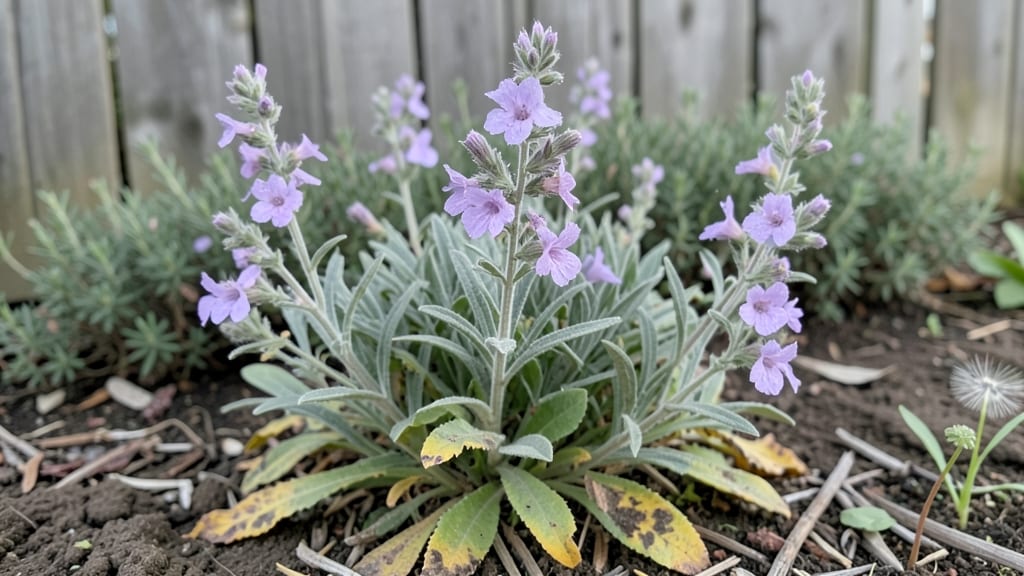
Growing flowering stock plants means your garden will buzz with pollinators all season long. 🌿 I learned the hard way that these plants aren’t just pretty—they’re the backbone of a thriving ecosystem.
The first time I planted lavender and watched bees swarm it, I knew I’d never go back to ornamental-only gardens again.
You’ll need well-draining soil, full sun for at least 6 hours a day, and consistent moisture without soggy roots. Stock plants like lavender, roses, and jasmine thrive with minimal fuss once established—just avoid heavy clay or waterlogged spots.
Start with 3-5 plants spaced 18-24 inches apart for best airflow and fragrance.
By midsummer, you’ll have clusters of blooms that attract bees, butterflies, and hummingbirds while filling your space with intoxicating scents. Prune spent flowers to encourage more blooms, and harvest lavender or jasmine for sachets or teas. The payoff? A garden that’s both productive and pollinator-friendly.
Works in containers for patios or as borders for flower beds—just adjust spacing. Whether you’re a beginner or seasoned gardener, these plants deliver low-maintenance beauty with high rewards. Let’s get those roots in the ground!
📚 In This Guide
- What you need
- Instructions
- Tips and common mistakes
- Wrapping up and next steps
What you need
- ● Flowering stock plants: Seeds (e.g., Matthiola incana varieties like 'Giant Mixed' or 'Perfume Delight') – 100–200 seeds for a small bed, 500+ for larger areas.
- ● OR Transplants (6–12 plants per 10 sq. ft. for dense blooms).
- ● Well-draining potting mix: 1–2 cubic yards (for in-ground planting) or 5–10 gallons (for containers).
- ● Balanced fertilizer (10-10-10 or 5-10-5): 1–2 lbs per 100 sq. ft.
- ● Organic mulch: Straw or shredded bark (2–3 inches depth).
- ● Garden trowel or transplant spade (for digging holes).
- ● Pruners or shears (for deadheading and shaping).
- ● Watering can or hose with a gentle spray nozzle (stock plants dislike soggy roots!).
- ● Gloves (to protect hands from thorns on some varieties).
- ○ Optional but helpful: Container pots (5–7 inches deep, 1 plant per pot for balcony gardens).
- ● Plant labels (to track varieties).
- ● Pest control spray (neem oil or insecticidal soap, as needed).
- ● Sunlight: Full sun (6+ hours daily) for optimal blooms.
- ● Soil pH: 6.0–7.5 (slightly alkaline to neutral). Test your soil or amend with lime if needed.
- ● Spacing: 12–18 inches apart for in-ground planting; thin seedlings to avoid overcrowding.
- ● Watering schedule: Keep soil consistently moist but not waterlogged (especially after planting).
How to grow flowering stock plants for pollinator-friendly beds
Stock plants like snapdragons, sweet alyssum, and calendula thrive with the right approach—here’s how to coax vibrant blooms all season while keeping bees and butterflies visiting.
🌱 Step 1: Select Pollinator-Friendly Varieties and Start Seeds Early
Choose fast-growing annuals like sweet alyssum or calendula for early blooms, or snapdragons and lobelia for mid-season color. I always start seeds 6-8 weeks before the last frost—this ensures sturdy plants ready for transplant when soil warms to 55°F. Use sterile seed-starting mix in 2-3 inch deep trays to prevent damping-off.
Sow seeds ¼ inch deep and lightly cover with mix. Keep the tray in a warm spot (70-75°F) under a grow light—natural light alone often leads to leggy seedlings. Watch for germination in 7-14 days, depending on the variety. Once sprouts appear, remove the grow light and place trays under bright, indirect light for 12 hours daily.
💧 Step 2: Harden Off and Transplant for Strong Root Establishment
Two weeks before transplanting, begin hardening off seedlings by placing them outdoors in partial shade for 1-2 hours daily, gradually increasing exposure. This toughens stems and prevents shock. On transplant day, choose a sunny spot with well-draining soil—stock plants hate soggy roots.
Space plants 8-12 inches apart, depending on variety. Dig holes twice as wide as the root ball to encourage root spread. Water deeply after planting to settle soil and eliminate air pockets. Mulch with 1 inch of organic mulch to retain moisture and suppress weeds—just keep it 2 inches away from stems to prevent rot.
☀️ Step 3: Maintain Consistent Watering and Fertilize for Continuous Blooms
Water deeply every 2-3 days until the top 2 inches of soil feel dry. Stock plants wilt quickly in dry soil but recover fast—just don’t let them stay crispy. I use a slow-release fertilizer at planting and again 4-6 weeks later to fuel steady blooming. Avoid high-nitrogen feeds; they promote leafy growth over flowers.
Deadhead spent blooms weekly to redirect energy into new flowers. You’ll notice a surge in fresh buds within 3-5 days of pruning. For varieties like snapdragons, pinch back tips of leggy stems to encourage bushier growth. This keeps plants compact and flowering longer.
✂️ Step 4: Extend the Season with Strategic Pruning and Protection
As summer heat arrives, provide afternoon shade for delicate varieties like sweet alyssum to prevent wilting. In late summer, cut back faded stems by half to stimulate a second flush of blooms. This works especially well for calendula and cosmos, which often rebloom vigorously.
To prolong color into fall, cover plants with frost cloth when nighttime temps drop below 40°F. Remove the cloth during the day to let sunlight trigger blooming. With this approach, you’ll enjoy 4-5 months of continuous color—a pollinator’s paradise.
Tips & tricks for growing vibrant pollinator-friendly stock plants
These game-changing insights will help you transform your garden into a buzzing pollinator haven while ensuring your stock plants thrive from seed to frost.
Seed Starting Temperature: Maintaining that 70-75°F warmth during germination is non-negotiable for consistent results. I use a seedling heat mat under my trays—it creates that perfect environment for quick, even germination. Once sprouts appear, the shift to bright, indirect light for 12 hours daily prevents those leggy seedlings that collapse when transplanted. Trust me on this: those first two weeks set the foundation for everything that follows.
Harden Off Gradually: The 1-2 hour daily hardening off period in Step 2 is where many gardeners trip up. Start with just 30 minutes on the first day and increase by 30 minutes each subsequent day. Watch for wilting—this is your cue to bring seedlings back inside for another day. The goal is to toughen stems without shocking them; think of it like a sunburn prevention program for your plants.
Root Establishment Hack: When transplanting, make those holes twice as wide as the root ball—this isn't just about fitting the roots. The extra space encourages roots to spread outward rather than circling the pot, which prevents that "pot-bound" shock when you finally transplant. I also loosen the root ball gently before placing it in the hole; this small step makes all the difference in establishing strong plants.
Season Extension Strategy: That 40°F frost cloth threshold is your new best friend. I've extended calendula blooms until Thanksgiving by using lightweight frost cloth during nighttime chills. The key is removing it during the day—this daily temperature fluctuation actually triggers more blooming. It's like giving your plants a spa treatment that keeps them producing flowers instead of going dormant.
Pro Tips for Flowering Stock Plants
- These game-changing insights will help you transform your garden into a buzzing pollinator haven while ensuring your stock plants thrive from seed to frost.
- Seed Starting Temperature: Maintaining that 70-75°F warmth during germination is non-negotiable for consistent results.
- Harden Off Gradually: The 1-2 hour daily hardening off period in Step 2 is where many gardeners trip up.
Frequently asked questions
When is the best time to plant flowering stock seeds?
For annual stock (like Matthiola incana), sow seeds 6–8 weeks before your last frost date for spring blooms. In mild climates, you can also direct-sow in early fall for winter/early spring color. Perennial varieties thrive when planted in early spring or late summer to establish roots before dormancy.
How long does it take for stock plants to flower?
Expect blooms 8–12 weeks after sowing for annual stock, depending on temperature and light. Cold-hardy varieties may flower even faster in cooler weather. Pinch back young plants to encourage bushier growth and delayed—but more abundant—blooms. Pro tip: Deadhead spent flowers to prolong the season!
Are stock plants truly pollinator magnets? What insects do they attract?
Stock plants are bee, butterfly, and hoverfly favorites, thanks to their high nectar content and fragrant blooms. They’re especially great for solitary bees and mason bees, which rely on early-season pollen. For extra appeal, plant near dill, lavender, or catmint—a winning combo!
Can stock plants survive heat or drought? What if they wilt?
While stock loves cool to moderate temps (60–75°F), they can handle brief heat waves if kept well-watered. Wilting? Check soil moisture—stock prefers consistently moist (not soggy) soil. Mulch lightly to retain moisture, and avoid overhead watering to prevent fungal issues. If stressed, trim back foliage to redirect energy to roots.
What’s a good alternative if stock plants don’t thrive in my climate?
If your area is too hot or humid, try these pollinator-friendly substitutes:
- Sweet alyssum (Lobularia maritima) – Drought-tolerant, blooms all season.
- Calendula – Edible, heat-resistant, and attracts bees.
- Cosmos – Thrives in poor soil and attracts butterflies.
- Borage – Drought-resistant with star-shaped blue flowers.
All pair beautifully with stock’s classic cottage-garden charm!
Wrapping up and next steps
Growing flowering stock plants is a rewarding way to bring vibrant color to your garden while supporting local pollinators like bees and butterflies. 🌸 Their hardiness, low-maintenance care, and long bloom season make them a must-have for any gardener—whether you're a beginner or a seasoned pro.
With the right materials and a few simple steps, you’ll enjoy a thriving, pollinator-friendly space that blooms from early summer to frost!
Ready to get started? Pick your favorite varieties, gather your supplies, and plant them in a sunny spot—your garden (and the bees!) will thank you. Check out our step-by-step guide to dive in today!