
Companion Plants
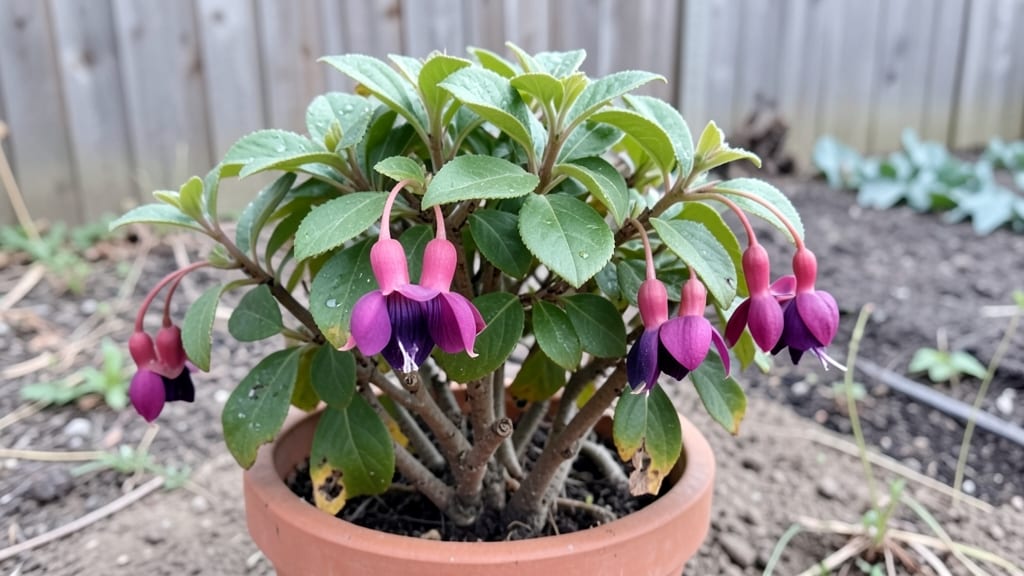
The bush fuchsia plants I’ve been growing for years bring hummingbirds darting between velvety blooms that last all summer—even in my dry, hot climate. The secret lies in their love of sun, well-draining soil, and minimal fuss once established.
These plants thrive in full sun to partial shade, making them perfect for borders, containers, or mixed beds. They ask for little: water only when the top inch of soil feels dry, and a light trim after blooming to keep them compact.
The real magic happens when you pair them with other pollinator favorites like salvia or lantana—they’ll create a buzzing, colorful show that lasts from midsummer until frost.
By following a few simple care rules, you’ll end up with bush fuchsias that bloom prolifically and attract hummingbirds like magnets. The flowers stay vibrant for weeks, and the plants bounce back from heat waves better than most annuals.
Once you see how easy they are to grow, you’ll wonder why you didn’t try them sooner.
They’re equally at home in garden beds or pots, so whether you’ve got a sunny patio or a dry border, these plants deliver beauty with almost no effort. Let’s get yours planted and blooming this season!
📚 In This Guide
- What you need
- Instructions
- Tips and common mistakes
- Wrapping up and next steps
What you need
- ● Bush fuchsia plants: 3–5 nursery-grown plants (or seeds/cuttings if propagating from scratch). Choose Fuchsia magellanica or hybrid varieties for drought tolerance.
- ● Well-draining potting mix: 1–2 bags (5–10 lbs each) of a cactus/succulent blend or regular potting soil amended with perlite or sand (20–30% by volume).
- ● Containers or garden beds: Containers: 1–2 gallon pots (1 per plant) with drainage holes. Terracotta or fabric pots work best for drought resistance.
- ● Garden beds: Full sun to partial shade (4+ hours of sunlight daily). Amend soil with compost (1–2 lbs per sq ft) for better drainage.
- ● Fertilizer: A balanced, water-soluble fertilizer (10-10-10 or 20-20-20) or orgainc granular fertilizer (e.g., 5-5-5).
- ● Mulch: Gravel or bark chips (1–2 inches) to retain moisture and deter weeds.
- ● Watering can or hose with a gentle spray nozzle: For even moisture distribution without damaging delicate stems.
- ● Hummingbird feeders: Place 1–2 feeders nearby to complement natural nectar sources.
- ● Pruning shears: Sharp, clean shears for shaping plants and encouraging bushier growth.
- ○ Plant supports: Small stakes or cages (optional for varieties with top-heavy growth).
- ● Soil moisture meter: To monitor drought conditions and avoid over/under-watering.
- ● Companion plants: Pair with lavender, salvia, or penstemon for a pollinator-friendly garden.
Step-by-step guide for planting and caring for bush fuchsia plants
Here's how to grow these vibrant, hummingbird magnets with minimal fuss.
Choose the Right Location and Prepare the Soil
Bush fuchsias thrive in partial shade, especially in hotter climates where they’ll appreciate protection from harsh afternoon sun. Look for a spot that gets 4-6 hours of morning sunlight—this prevents leaf scorch while keeping flowers vibrant. I’ve found that east-facing windows or dappled shade under trees works perfectly for container plants.
These plants tolerate a range of soil types but prefer well-draining, slightly acidic soil with a pH between 6.0 and 6.5. If your garden soil is heavy clay, mix in 2-3 inches of compost or aged bark to improve drainage. Bush fuchsias hate soggy roots, so avoid low-lying areas where water pools after rain. A slight mound of soil in the planting hole helps excess water run off naturally.
Plant Bush Fuchsias at the Right Depth and Spacing
Dig a hole twice as wide as the root ball but only as deep as the container it came in. This prevents burying the stem too deeply, which can cause rot. Gently remove the plant from its pot and loosen any circling roots with your fingers—this encourages outward growth instead of a tangled mess. Place the plant in the hole so the top of the root ball sits just below soil level.
Space plants 18-24 inches apart to allow airflow and prevent fungal diseases. Crowding leads to weak stems and fewer flowers, and bush fuchsias need room to bush out naturally. Backfill the hole with soil, pressing lightly around the edges to remove air pockets. Water deeply right after planting to settle the soil and eliminate gaps. You’ll know it’s done right when the soil surface looks firm but not compacted.
Water Deeply but Infrequently to Encourage Drought Resistance
Bush fuchsias are drought-tolerant once established, but they need consistent moisture during their first growing season. Water once a week in average conditions, but check the soil first—stick your finger 2 inches deep. If it feels dry, water thoroughly until moisture reaches 6 inches down. Overwatering is the fastest way to kill these plants, so always let the top 1-2 inches of soil dry out between waterings.
Use a soaker hose or drip irrigation to deliver water slowly at the base of the plant. Avoid overhead watering, which can cause mildew on the fuzzy leaves. Mulch around the base with 2-3 inches of shredded bark or pine needles to retain moisture and suppress weeds. This also keeps roots cool in summer, which is especially important in hotter climates where fuchsias can struggle.
Prune for Bushier Growth and More Flowers
Pinch back the tips of new growth when stems reach 4-6 inches tall to encourage branching. This is the secret to getting those lush, bushy plants you see in nurseries. Use clean, sharp pruners to make cuts just above a leaf node—this is where new side shoots will emerge. I prune mine in early spring and again after the first flush of flowers to keep them compact and full.
Deadhead spent blooms regularly to redirect the plant’s energy into producing more flowers instead of seed pods. Snip off faded flowers with a quick twist or cut just above the next set of leaves. If your fuchsia starts looking leggy, give it a light trim in late summer to tidy it up before winter. Just avoid heavy pruning in fall—you want the plant to enter dormancy with enough energy stored in its roots.
Protect from Harsh Winters and Pests
Bush fuchsias are tender perennials in most climates, meaning they’ll die back in frost but often regrow from the roots in spring. In USDA zones 8-10, they’re hardy enough to stay outdoors year-round with a thick layer of mulch (4-6 inches) to insulate the roots. In colder zones, dig up container plants and store them in a cool, dark place (like a garage) with barely moist soil over winter. Check them monthly to ensure they’re not drying out completely.
Watch for aphids and spider mites, which love the fuzzy leaves. I spray mine with a mild soap solution (1 tablespoon of dish soap per gallon of water) if I see sticky residue on the leaves or tiny webs. For severe infestations, neem oil works wonders—but always test a small area first to avoid leaf burn. Healthy bush fuchsias rarely have pest problems, so keeping plants well-watered and pruned is your best defense.
Tips & tricks for perfect bush fuchsia plants
These simple yet game-changing tips will help you transform your bush fuchsias into thriving, hummingbird-friendly showstoppers with minimal effort.
The Location Secret: While partial shade is ideal, I’ve found that east-facing windows or the north side of your home offer the perfect balance of morning light and afternoon shade. If you’re using containers, place them where they’ll get that crucial 4-6 hours of morning sun—this prevents leaf burn while keeping flowers vibrant. Trust me, the difference in plant health is noticeable within weeks.
Soil Prep Pro Tip: Don’t skip testing your soil’s pH before planting. Bush fuchsias prefer slightly acidic soil between 6.0 and 6.5. If your garden soil is heavy clay, mix in 2-3 inches of compost or aged bark to improve drainage—this prevents the dreaded soggy roots that can kill these plants faster than anything else. A simple soil test kit from your local garden center makes this easy to check.
Pruning Strategy: When pinching back new growth at 4-6 inches tall, focus on the healthiest stems first. This encourages bushier growth while preventing overcrowding. I’ve learned the hard way that skipping this step leads to leggy plants with fewer flowers. Also, always use clean, sharp pruners—dull tools crush stems instead of making clean cuts, which invites disease.
Winter Protection Hack: For colder climates, store container plants in a cool, dark garage with barely moist soil. I wrap the pots in bubble wrap and place them on a tray to catch any drainage. Checking them monthly ensures they don’t dry out completely—this simple step makes spring regrowth much more reliable.
Pro Tips for Bush Fuchsia Plants
- These simple yet game-changing tips will help you transform your bush fuchsias into thriving, hummingbird-friendly showstoppers with minimal effort.
- The Location Secret: While partial shade is ideal, I’ve found that east-facing windows or the north side of your home offer the perfect balance of morning light and afternoon shade.
- Soil Prep Pro Tip: Don’t skip testing your soil’s pH before planting.
Frequently asked questions
Got questions about growing bush fuchsias? You’re not alone!
Here are answers to the most common queries—from care tips to troubleshooting—so you can keep your plants thriving and hummingbirds buzzing.
Are bush fuchsias really drought-resistant?
Yes! Once established, bush fuchsias (Fuchsia magellanica varieties) tolerate dry spells better than many flowering plants. Their deep roots help them access moisture, but mulching and occasional deep watering (every 1–2 weeks in hot climates) will keep them happier and blooming longer.
How long does it take for bush fuchsias to bloom after planting?
Most bush fuchsias bloom within 6–12 weeks of planting, especially if given full sun to partial shade and consistent moisture. For faster results, opt for established nursery plants (1–2 feet tall) over seeds—these may flower within 4–6 weeks under ideal conditions.
Why aren’t hummingbirds visiting my bush fuchsias?
Hummingbirds love bush fuchsias, but a few factors might deter them: overly crowded foliage (prune for better access), lack of nectar (deadhead spent blooms), or competing plants. Try adding a shallow dish of sugar water (1:4 ratio) nearby as a temporary lure while the plant recovers.
Can bush fuchsias survive winter in cold climates?
Most bush fuchsias are hardy to USDA Zones 7–10, but tender varieties (like Fuchsia ‘Giant Baby’) may need winter protection. In colder zones, mulch heavily, wrap containers, or plant in pots for indoor overwintering. Prune back dead growth in early spring once frost passes.
What’s a good alternative if bush fuchsias don’t thrive in my area?
If your climate is too hot, cold, or dry, try these hummingbird-friendly alternatives:
- Salvia (e.g., Salvia greggii) – Drought-tolerant, vibrant blooms.
- Penstemon (Beardtongue) – Native varieties thrive in poor soil.
- Lantana – Heat-loving and extremely hummingbird magnets.
- Columbine (Aquilegia) – Cold-hardy and long-blooming.
Wrapping up and next steps
Bush fuchsia plants are a fantastic addition to any garden—offering stunning color, hummingbird magnetism, and drought-resistant resilience. Whether you're a seasoned gardener or just starting out, their low-maintenance charm makes them a perfect choice for vibrant, pollinator-friendly landscapes. 🌸
Ready to bring bush fuchsias into your outdoor space? Start by selecting the right variety for your climate, then grab your gardening gloves and get planting! With a little care, you’ll soon enjoy a thriving, buzzing garden that’s as beautiful as it is eco-friendly.