
Fertilization
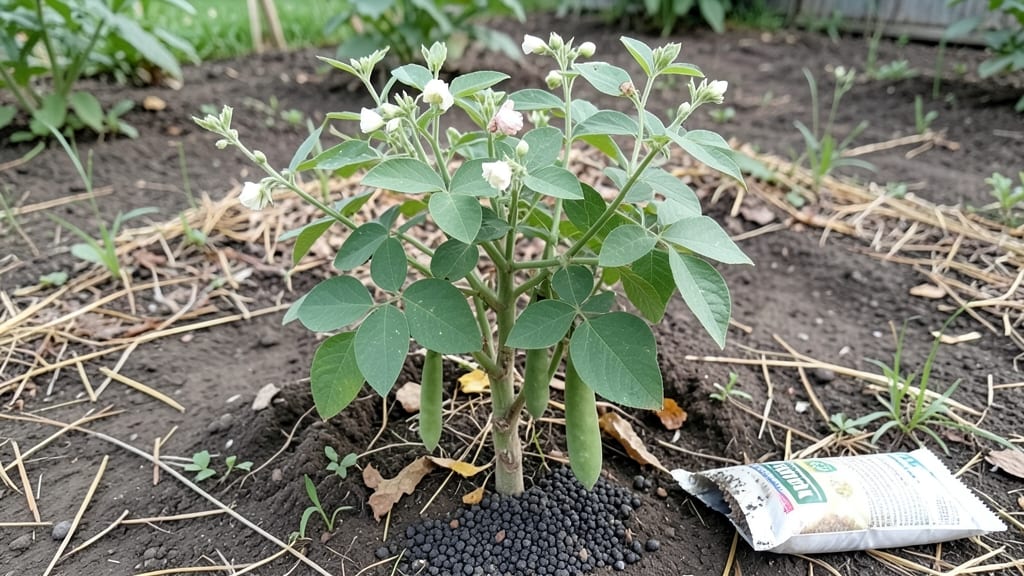
Fertilizing bean plants 🌱 properly is the difference between a handful of sad pods and a garden overflowing with harvests.
Struggling to get your bean plants to produce abundant, healthy pods? The secret lies in precise soil pH balance and strategic nutrient timing—two often overlooked factors that can transform your harvest.
Beans need a balanced approach: too much nitrogen and you’ll get leafy vines with no pods, while too little phosphorus stunts growth. The key is feeding them just right during their growth stages, from sprouting to flowering to pod development.
Below, I’ll walk you through the best fertilizers, when to apply them, and how to avoid common mistakes that waste your time and money.
Optimal soil pH and nutrient requirements for bean plants
When growing bean plants, soil pH and nutrient balance are the foundation for healthy growth and abundant pods. Beans thrive in soil with a pH between 6.0 and 7.0, which is slightly acidic to neutral.
This range ensures they can efficiently absorb essential nutrients like nitrogen, phosphorus, and potassium. Without the right balance, your beans may struggle to flower or produce pods, leaving you with disappointing yields.
Beans are legumes, which means they form a symbiotic relationship with nitrogen-fixing bacteria in their roots. However, they still require a balanced fertilizer to support rapid growth and pod development.
The key is understanding which nutrients are critical at each stage—whether it's leafy growth or pod formation—and how to spot deficiencies before they become irreversible.
Macronutrients like nitrogen, phosphorus, and potassium are the building blocks of bean health, while micronutrients like calcium and magnesium play supporting roles. For example, too much nitrogen can lead to lush foliage but few pods, while phosphorus deficiency stunts root and flower development. Let’s break down what your beans truly need to thrive.
Soil pH is the first factor to address. Testing your soil’s pH before planting can save you from wasted effort. If your soil is too acidic (below 6.0), add lime to raise the pH. If it’s too alkaline (above 7.0), incorporate sulfur or peat moss to lower it. Aim for that sweet spot of 6.0-7.0 to unlock nutrient availability for your beans.
Now, let’s dive into the nutrient requirements that will turn your bean plants into pod-producing powerhouses. The table below summarizes the ideal conditions for each critical nutrient, along with signs of deficiency or excess to watch for in your garden.
| Nutrient | Role in Bean Growth | Ideal Levels | Signs of Deficiency | Signs of Excess |
|---|---|---|---|---|
| Nitrogen (N) | Leafy growth and stem development | Low to moderate (avoid overapplication) | Yellowing lower leaves, stunted growth | Excessive leaf growth, few pods |
| Phosphorus (P) | Root development, flowering, and pod formation | Moderate (higher than nitrogen) | Purple stems/leaves, weak roots, poor flowering | Stunted growth, leaf burn |
| Potassium (K) | Overall plant health, disease resistance, and pod quality | Moderate (balanced with N and P) | Weak stems, yellow leaf edges, poor pod fill | Leaf scorch, reduced flowering |
| Calcium (Ca) | Cell wall strength, pod development | Low to moderate (critical for pod set) | Blossom end rot, deformed pods, weak stems | None (toxicity rare) |
| Magnesium (Mg) | Chlorophyll production, energy transfer | Moderate (essential for photosynthesis) | Yellowing between leaf veins (interveinal chlorosis) | None (toxicity rare) |
| Soil pH | Nutrient availability and microbial activity | 6.0 - 7.0 (slightly acidic to neutral) | Poor growth, nutrient deficiencies (even with fertilizer) | Nutrient lockout, aluminum toxicity (if <6.0) |
Pay special attention to phosphorus and potassium during the flowering and pod development stages. These nutrients are critical for flower production and pod filling. If your beans are flowering but not setting pods, a phosphorus boost—like bone meal or a
Step-by-step fertilizer application timeline for bean growth stages
Fertilizing your bean plants at the right time can mean the difference between a meager harvest and a bountiful one. Unlike many vegetables, beans actually fix nitrogen from the air through their roots, but they still need targeted nutrients during specific growth stages to maximize pod production.
The key is timing—too much too soon can stunt flowering, while too little too late can reduce yields. Let’s break down the optimal fertilizer schedule for each stage of growth, including organic and synthetic options.
Beans thrive when fertilized with a balanced 5-10-10 NPK ratio, but the focus shifts as they mature. During germination, they need minimal nutrients, while flowering and pod development demand higher phosphorus and potassium.
Organic options like composted manure or bone meal work well, but synthetic fertilizers can provide faster results when needed. Always apply fertilizers in the early morning to prevent leaf burn and ensure nutrients absorb efficiently.
Fertilizer Timeline for Bean Growth Stages
-
🌱 Germination (0-2 Weeks)
No fertilizer needed. Focus on keeping soil moist and warm (60-70°F). -
🌿 Vegetative Growth (2-4 Weeks)
Apply a light organic fertilizer (e.g., compost tea or 5-5-5 synthetic) when plants reach 4-6 inches tall. Use side-dressing method: sprinkle 1 tbsp per plant 2 inches from stems. -
🌸 Flowering Stage (4-6 Weeks)
Switch to a phosphorus-rich fertilizer (e.g., bone meal or 10-20-10 synthetic). Apply every 3-4 weeks using a soil drench (dilute fertilizer in water and pour at base). -
🌾 Pod Development (6-8 Weeks)
Use a balanced fertilizer (e.g., fish emulsion or 5-10-10 synthetic). Apply every 4-6 weeks with a foliar spray (mix 1 tsp fertilizer per gallon of water) for quick nutrient uptake. -
🌱 Late Season (8+ Weeks)
Reduce or stop fertilizing 4-6 weeks before first frost to allow plants to harden off. Focus on potassium-rich fertilizers (e.g., greensand) to improve disease resistance.
For organic gardeners, composted manure (aged 6+ months) and fish emulsion are excellent choices. They release nutrients slowly, reducing the risk of over-fertilizing. If you prefer synthetic fertilizers, opt for slow-release granules to avoid nutrient spikes.
Always follow package instructions for dosage—beans are sensitive to excess salts, which can stunt growth or cause leaf yellowing.
Monitor your plants closely for signs of nutrient deficiencies or excesses. Yellowing leaves may indicate nitrogen deficiency, while purple stems signal phosphorus shortages. If you notice these symptoms, adjust your fertilizer type and application frequency accordingly.
Remember, beans are light feeders, so less is often more—especially during the flowering and pod stages.
Consistency is key when fertilizing bean plants. Stick to the 4-6 week schedule during the growing season, and always pair fertilizing with proper watering techniques to ensure nutrients reach the roots.
With the right timing and balance, your bean plants will reward you with a bountiful harvest of tender, flavorful pods. Happy gardening! 🌱