Fertilization
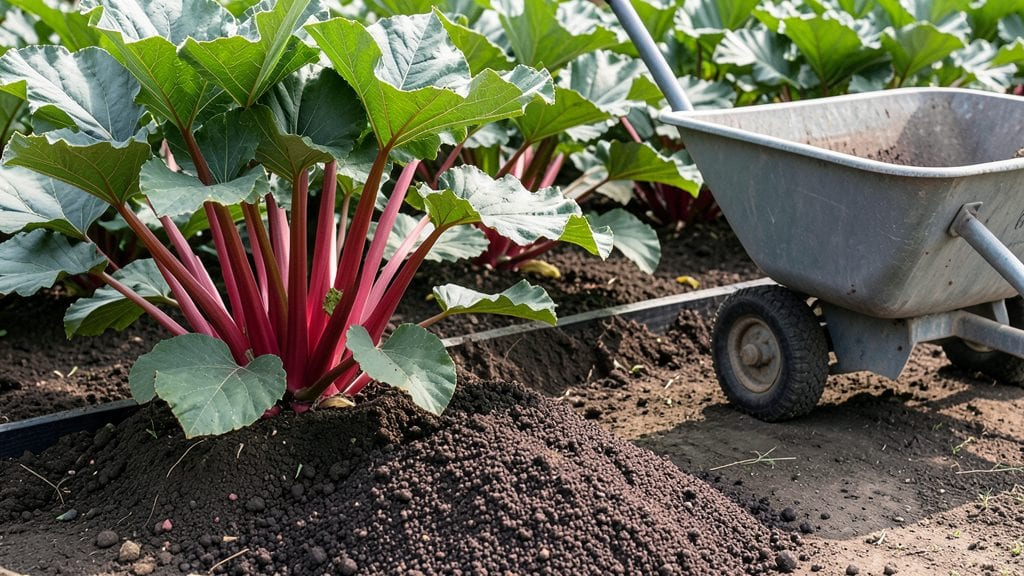
Fertilizing rhubarb plants 🌱 the right way is the difference between scraggly leaves and those plump, tangy stalks you’ll fight over at the farmers’ market.
Struggling to get your rhubarb plants producing those thick, tangy stalks you crave? The secret might be hiding in your soil’s pH—and how you fertilize. Discover the exact soil conditions and feeding strategies that transform underperforming rhubarb into a garden superstar.
Rhubarb thrives when its soil is rich in nutrients but not overloaded with nitrogen, which can lead to leafy growth instead of the stalks you want. A balanced approach—using the right fertilizer at the right time—is key to unlocking your plants’ full potential.
In this guide, I’ll walk you through the best fertilizers, when to apply them, and how to avoid common mistakes that leave your rhubarb lacking. Let’s get those plants growing like they’re in a competition.
Optimal soil pH and fertilizer types for rhubarb growth
Rhubarb thrives when your soil’s pH level falls between 5.5 and 6.5. This slightly acidic range ensures your plants absorb essential nutrients like nitrogen, phosphorus, and potassium efficiently.
If your soil is too alkaline (above 7.0), rhubarb roots struggle to access iron and manganese, leading to weak stalks and poor flavor. Testing your soil is the first step to unlocking your rhubarb’s full potential.
I’ve found that organic fertilizers, like composted manure or worm castings, work wonders for rhubarb. These slow-release options improve soil structure while providing a steady supply of nutrients.
Synthetic fertilizers can also work, but they require careful monitoring to avoid over-fertilizing, which can burn delicate roots or encourage excessive leaf growth at the expense of those prized tangy stalks.
Micronutrients like boron and magnesium are critical for rhubarb. A deficiency in boron can cause cracked stalks, while magnesium deficiency leads to yellowing leaves. I recommend using a balanced fertilizer with a 10-10-10 NPK ratio or a specialized vegetable fertilizer to cover all bases.
Always follow the package instructions to avoid overdoing it.
Before you fertilize, conduct a soil test using a home kit or send a sample to your local extension office. This will give you precise readings on your soil’s pH and nutrient levels.
If your soil is too acidic (below 5.5), add lime to raise the pH. For alkaline soil (above 6.5), incorporate sulfur or peat moss to lower it naturally. These adjustments take time, so start early in the season.
Here’s a quick guide to help you understand the key factors for fertilizing rhubarb plants:
<summary-table>| Factor | Ideal Range | Actionable Tips |
|---|---|---|
| Soil pH | 5.5–6.5 | Test with a kit; amend with lime or sulfur as needed. |
| Organic Fertilizer | Compost, worm castings, or aged manure | Apply 1–2 inches of compost annually in early spring. |
| Synthetic Fertilizer | 10-10-10 NPK or vegetable blend | Use sparingly; follow label rates to avoid over-fertilizing. |
| Micronutrients | Boron, magnesium, iron | Add Epsom salt (magnesium) or boron supplements if deficiencies appear. |
| Soil Test Frequency | Every 2–3 years | Monitor pH and nutrient levels to adjust fertilization. |
| Best Fertilization Time | Early spring and mid-summer | Avoid fertilizing in fall or winter when rhubarb is dormant. |
When fertilizing, focus on the root zone—spread fertilizer 6–8 inches away from the plant’s base and lightly scratch it into the top inch of soil. Water thoroughly after application to help nutrients penetrate the soil and reach the roots.
Over-fertilizing can lead to leafy growth with fewer stalks, so it’s better to err on the side of caution and feed lightly.
I’ve noticed that rhubarb plants respond beautifully to a layered approach—combining organic matter, balanced fertilizers, and micronutrient boosts. For example, I mix compost into the soil at planting time, then top-dress with a 10-10-10 fertilizer in early spring.
If the stalks start looking pale or the leaves yellow between the veins, it’s a sign of magnesium deficiency, and a sprinkle of Epsom salt can work wonders.
One common mistake I see is using too much nitrogen-heavy fertilizer, which promotes lush foliage but stunts stalk production. Rhubarb needs a balanced diet, not just nitrogen. Aim for a fertilizer with equal parts nitrogen, phosphorus, and potassium to encourage both leaf and stalk growth.
If your rhubarb is struggling, take a closer look at your soil and feeding habits—small adjustments can make a big difference in your harvest.
Remember, rhubarb is a perennial plant, meaning it will reward you for years with minimal care. By maintaining the right soil pH and feeding strategy, you’ll enjoy thick, tangy stalks season after season.
Start with a soil test, amend as needed, and fertilize thoughtfully. Your rhubarb will thank you with a bountiful harvest!
Step-by-step fertilizing schedule for year-round rhubarb success
Rhubarb thrives on a consistent but balanced feeding schedule that mirrors its natural growth cycles. Unlike many vegetables, rhubarb detests excess nitrogen, which causes lush leaves at the expense of those prized tangy stalks.
My secret? A two-season approach—spring for growth, summer for harvest, and nothing in fall or winter. Let’s break down the exact timing, amounts, and visual cues to keep your rhubarb plants happy and productive.
Before diving into the schedule, check your rhubarb’s soil health by observing its leaves. Dark green, vibrant foliage signals healthy growth, while yellowing edges or limp stalks mean it’s time to adjust. I always start with a soil test in early spring to confirm pH levels between 5.5–6.5.
If your soil is too acidic, amend it with lime; if alkaline, add sulfur or peat moss.
🌱 Step-by-Step Fertilizing Schedule
-
Early Spring (March–April): Light Feed
Apply ½ cup 10-10-10 fertilizer per plant or 1 cup per 10 sq ft around the base. Focus on root development before stalks emerge. Water thoroughly after application to prevent root burn.
-
Late Spring (May): Full Feed
Switch to a balanced fertilizer (5-10-10) to encourage stalk production. Apply 1 cup per 10 sq ft when stalks reach 6 inches tall. Avoid high-nitrogen fertilizers like 20-0-0, which promote leaves over stalks.
-
Summer (June–July): Maintenance Feed
Apply light fertilizer every 6 weeks (e.g., compost tea or fish emulsion) to sustain growth. Watch for yellowing leaves—a sign of over-fertilization. Reduce feeding if stalks become soft or rubbery.
-
Fall & Winter (August–February): No Fertilizer
Rhubarb enters dormancy in fall. Skip fertilizing entirely to allow roots to harden off. Mulch with straw or leaves to protect crowns during winter. Resume feeding in early spring.
-
Visual Cues for Adjustments
Healthy stalks: Firm, crisp, and 10–12 inches long ✅
Over-fertilized: Excess leaves, weak stalks, yellow tips ❌
Under-fertilized: Slow growth, pale stalks, stunted size ❌
One of my biggest mistakes early on was over-fertilizing in summer, which led to leafy monsters instead of stalks. I learned to halve the fertilizer dose once stalks started forming.
For organic gardeners, I recommend compost or worm castings in spring and kelp meal in summer for micronutrients like potassium and magnesium, which boost stalk sweetness.
Pro tip: If your rhubarb is 3+ years old, it may need a renewal feed in early spring. Mix bone meal (for phosphorus) into the soil to revitalize root growth.
Always water deeply after fertilizing to help nutrients reach the roots. Avoid surface watering, which can burn leaves.
Remember, rhubarb is a perennial powerhouse—with the right feeding schedule, it can produce for decades. Stick to this plan, and you’ll enjoy juicy, tangy stalks year after year without the guesswork. Happy gardening! 🌱