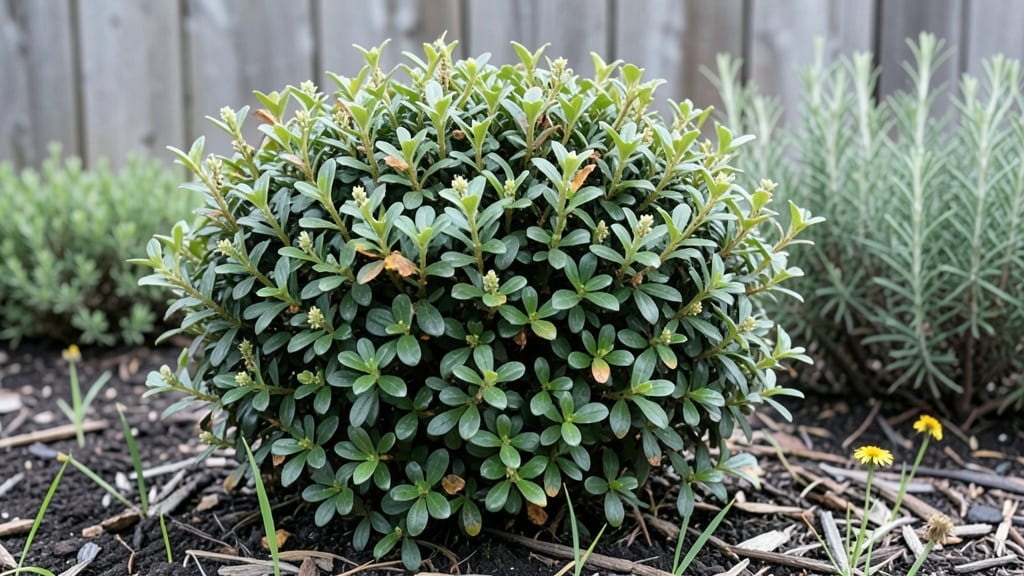
How to design evergreen edging for year-round visual impact
Creating a stunning evergreen edging isn't just about planting a single row of shrubs—it's about crafting a layered, textured border that thrives in every season. The key lies in mixing heights, colors, and growth habits to ensure your garden stays vibrant even when flowers fade.
Start by selecting plants that offer varied foliage textures, from fine-needled dwarf conifers to broad-leafed boxwood or holly. This contrast keeps your edging dynamic and visually engaging year-round.
Think of your edging as a three-tiered structure: tall plants at the back, medium-height plants in the middle, and low-growing ground covers in the front. For example, pair 6-foot tall arborvitae at the back with 3-foot boxwood in the middle and creeping thyme or sedum at the front.
This arrangement adds depth and prevents your border from looking flat or monotonous. Plus, it creates a natural transition from your lawn to garden beds, making your space feel more intentional and polished.
- 🌿 Dwarf Conifers (e.g., Mugo Pine, Blue Rug Juniper): Perfect for low-maintenance height (1-3 ft) and year-round color. Their needle textures add contrast to broad-leafed plants.
- 🌿 Boxwood (Buxus): Ideal for structured hedges (2-4 ft) with glossy foliage. Prune to maintain shape and pair with spring bulbs for seasonal pops of color.
- 🌿 Holly (Ilex): Adds spiky texture and winter interest with berries. Choose dwarf varieties (3-5 ft) for edging and plant near sunny borders to highlight their red berries.
- 🌿 Ornamental Grasses (e.g., Little Bluestem, Miscanthus): Bring movement and softness to edging. Plant at varying heights (1-4 ft) and let them sway in the breeze for a natural, relaxed look.
- 🌿 Ground Covers (e.g., Creeping Juniper, Dwarf Mondograss): Fill gaps between taller plants with low-growing evergreens (under 1 ft). These create a dense, weed-blocking base while adding color variety.
Don’t overlook the power of color coordination to tie your edging together. Stick to a monochromatic palette (e.g., shades of green) for a classic, timeless look, or introduce one or two accent colors for contrast.
For example, pair silver-blue foliage (like Blue Star Juniper) with deep green boxwood to create a striking visual contrast. In spring and summer, tuck in seasonal flowers like lavender or salvia to add temporary bursts of color without sacrificing your evergreen structure.
Spacing is another critical factor—plant your evergreens 12-18 inches apart for compact coverage, but adjust this based on their mature size. For example, dwarf conifers can be spaced closer (10-12 inches), while taller shrubs like arborvitae need more room (2-3 feet apart).
Mulch around the base of your plants with wood chips or pine straw to retain moisture, suppress weeds, and protect roots during temperature swings. This small step can make a big difference in your edging’s longevity and health.
To extend visual interest across all four seasons, plan for layered blooms and textures. In winter, rely on evergreen foliage and berries for structure, while spring and summer can feature delicate flowers and seed heads.
For instance, plant dwarf lilacs or azaleas near your evergreen edging—their spring blooms will complement the green backdrop beautifully. In fall, ornamental grasses and sedum will add warm tones before winter sets in. This approach ensures your edging remains a focal point no matter the season.
Finally, don’t forget to prune regularly to maintain shape and encourage healthy growth. Trim boxwood and holly in late winter or early spring, while conifers and ornamental grasses often need minimal pruning.
A little upkeep goes a long way in keeping your edging looking sharp and intentional. With these strategies, your evergreen border will be the jewel of your garden—year after year.