
Advice
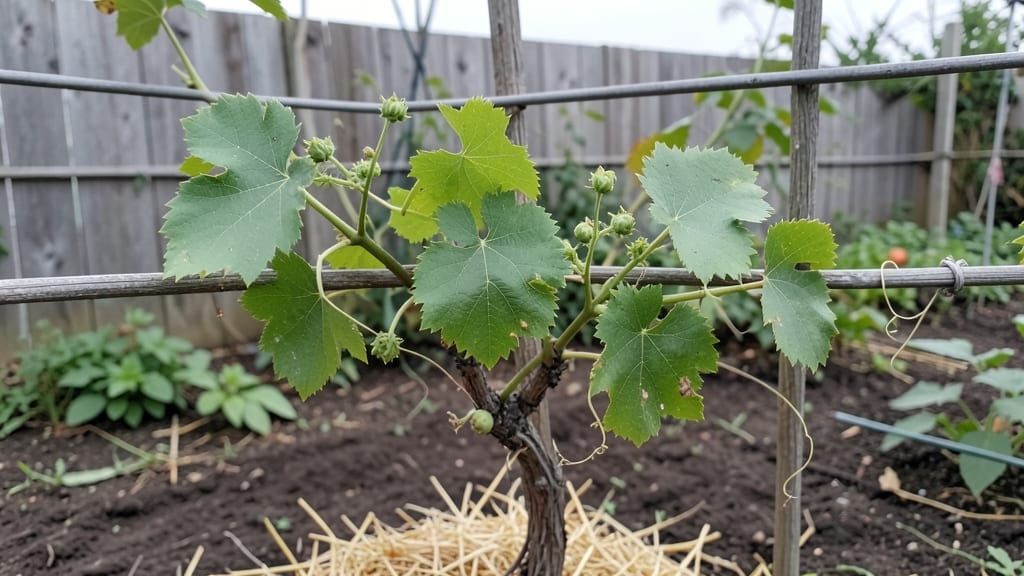
Grape planting zones follow USDA hardiness maps, where most varieties grow best in zones 5-11, though cold-resistant types like Concord or Niagara can handle zone 4. Heat-loving grapes, such as Cabernet Sauvignon, need zones 7-11. Proper soil, sunlight exposure, and winter safeguards are just as critical as zone selection.
Understanding grape planting zones isn't just about temperature—it's about matching your climate to the grape's dormancy needs.
Many vines require 400-1,000 chill hours (below 45°F) to produce fruit, which explains why some varieties thrive in colder zones despite their reputation. 🌱 For example, hybrid grapes like Marquette (zone 3-8) have revolutionized cold-climate viticulture by combining hardiness with wine-quality potential.
Even within a zone, microclimates—like a south-facing slope—can push boundaries for heat-sensitive grapes.
Soil drainage and winter mulching also extend a grape's viable range. In zone 5, for instance, I've seen growers successfully cultivate Riesling by using deep mulch and frost blankets, proving that zone guidelines are a starting point, not an absolute rule.
The key is testing small batches and observing vine health year-to-year.
💡 In This Article
- USDA Grape Planting Zones Explained
- Top Grape Varieties by USDA Zone
USDA grape planting zones explained
The USDA's grape planting zones are determined by average annual minimum temperatures, but what truly matters is how these temperatures interact with a vine's biological needs. Most grapevines require 400-1,000 chill hours (temperatures below 45°F) annually to break dormancy and produce fruit.
This explains why zone 5's average low of -15°F to -20°F can still support grapes when paired with sufficient winter chill. The science here involves bud dormancy—a survival mechanism where vines halt growth until temperatures rise, triggered by cold exposure.
Temperature extremes also affect rootstock health. For instance, in zone 4 (-30°F lows), only hybrid varieties like Frontenac or Valvin Muscat survive because their root systems can tolerate freezing soil.
In contrast, zone 10's 80-90°F winters stress traditional vines, causing them to enter a premature dormancy cycle that reduces fruit quality. The ideal balance occurs in zones 6-8, where most commercial wine grapes thrive due to moderate winters and long growing seasons.
Microclimates can dramatically expand a grape's viable range. A south-facing slope in zone 5 might reach 10°F warmer than the surrounding area, allowing grapes like Chardonnay to ripen fully. Conversely, frost pockets in zone 7 can push temperatures below 28°F, damaging buds even in officially suitable zones.
This is why vineyard location often matters more than the zone number itself—proximity to large bodies of water or urban heat islands can create localized growing conditions that defy generalizations.
Winter protection techniques further blur zone boundaries. In zone 5, growers use 3-4 feet of straw mulch or burlap wraps to shield vines from -20°F temperatures, effectively extending the range of heat-sensitive varieties like Pinot Noir by 1-2 zones.
The key is understanding how these interventions interact with natural chill hours—too little winter cold can prevent bud break, while excessive protection may lead to poor fruit set. This delicate balance explains why some zone 6 vineyards produce better wine than zone 8 counterparts.
Soil type plays an equally critical role. Well-drained sandy loam in zone 7 can support Cabernet Franc, while heavy clay in the same zone may require cold-hardy hybrids. The roots of grapevines need to breathe during winter, and waterlogged soil accelerates cold damage by 30-50%.
This is why vineyard sites in zones 5-6 often prioritize gravelly soils—grape roots can penetrate deeper, accessing warmer subsoil during freeze events.
What most gardeners overlook is the bud hardiness distinction between canes and trunks. While grape trunks can survive -10°F with proper care, buds often die at 20°F, meaning a single late frost can wipe out an entire year's crop.
This explains why zone 5 growers often prune aggressively to limit bud exposure, while zone 9 vines may require shade cloth to prevent heat stress during fruit ripening.
Remember: zone guidelines are a starting point, not a strict rule. The most successful grape growers treat them as a framework to build upon with local knowledge and adaptive techniques. 🌟