
Companion Plants
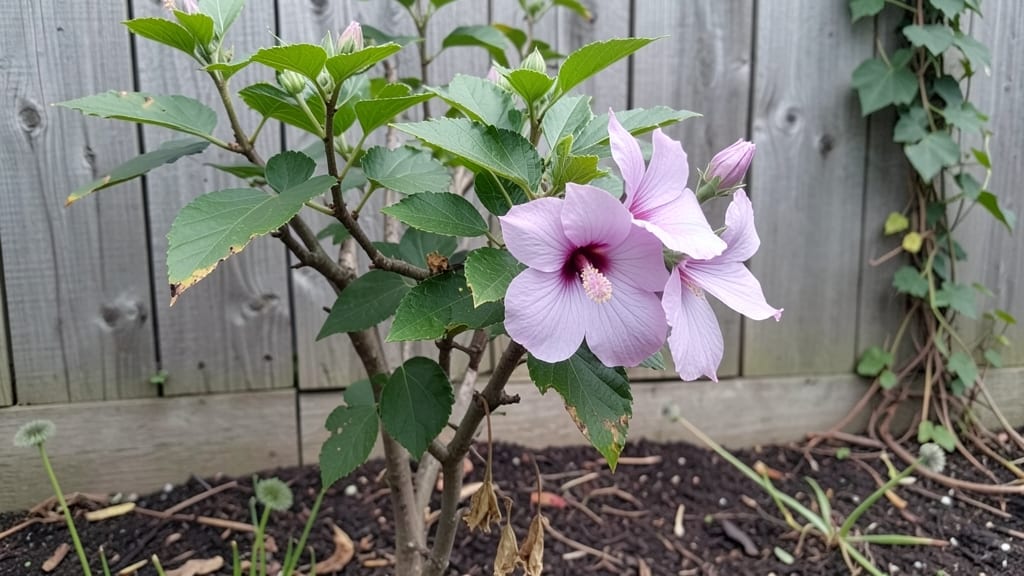
Growing Rosa Sharon plants changed how I think about late-summer gardens—those velvety blooms arrive when most roses have already called it quits. 🌿 The secret to their success lies in their hardiness and that intoxicating fragrance that lingers long after the flowers fade.
Unlike fussy hybrids, these thrive with minimal fuss, rewarding you with blooms from mid-summer through frost.
They demand full sun to partial shade and well-draining soil, but don’t stress if your yard isn’t perfect—Rosa Sharon adapts better than most. Plant in early spring or fall, spacing them 6-8 feet apart to give their roots room to stretch.
Water deeply once a week after establishment, and you’ll see sturdy growth that resists drought once settled. The real magic happens when pollinators discover them—bees, butterflies, and hummingbirds will make your garden their summer headquarters.
Pruning is where most gardeners trip up, but here’s the trick: cut back old wood in late winter to encourage fresh growth. Deadhead spent blooms to coax more flowers, and watch as your shrub transforms into a fragrant cloud of color.
By autumn, you’ll have a plant that looks as good as it smells, with bark that adds winter interest. The only challenge? Deer might eye them—so protect young plants until they’re established.
Perfect for borders, privacy screens, or as a standalone specimen, Rosa Sharon fits any landscape. Whether you’re a seasoned gardener or just starting, these plants prove that beauty and resilience go hand in hand. Let’s get yours planted—and enjoy the show all season long.
📚 In This Guide
- What you need
- Instructions
- Tips and common mistakes
- Wrapping up and next steps
What you need
- ● Rosa Sharon Plants: 1-3 bare-root or potted plants (choose based on your garden size and desired impact). Opt for disease-resistant varieties like 'Meigoldbrillant' or 'Ghislaine de Féligonde'.
- ● Well-Draining Soil: 1-2 cubic yards of a mix of garden soil, compost (50%), and sand or perlite (20%) for loose, aerated soil. Rosa Sharon thrives in slightly acidic to neutral pH (6.0-7.0).
- ● Fertilizer: 1 bag of balanced, slow-release fertilizer (e.g., 10-10-10 or 5-10-5) for planting.
- ● 1 bag of organic compost or rose-specific fertilizer (high in phosphorus for blooms) for mid-season feeding.
- ● Mulch: 2-3 bags of organic mulch (e.g., wood chips, straw, or shredded bark) to retain moisture and suppress weeds.
- ● Pruning Tools: 1 pair of bypass pruners (for clean cuts).
- ● 1 pair of loppers (for thicker stems).
- ● 1 pruning saw (for stubborn branches).
- ● Support System: 1-2 rose trellises, arches, or stakes (depending on plant size and growth habit).
- ● Garden twine or soft ties to secure branches.
- ● Watering Supplies: A hose with adjustable nozzle or drip irrigation system (Rosa Sharon loves consistent moisture!).
- ● 1-2 watering cans (for hand-watering young plants).
- ● Soil Amendments: A handful of mycorrhizal fungi or worm castings to boost root health.
- ● Pest Control: Neem oil spray or diatomaceous earth (for organic pest management).
- ● Garden Gloves: A pair of durable, breathable gloves to protect your hands during pruning.
- ● Plant Food: Liquid seaweed extract or fish emulsion for a nutrient boost during blooming season.
- ● Decorative Elements: Garden stakes with plant labels (to track varieties) or mulch rings to keep mulch in place.
- ● Sunlight: A full-sun location (6-8+ hours of direct sunlight daily). Partial shade is tolerated but may reduce fragrance and blooms.
- ● Space: At least 3-5 feet of diameter per plant (or more for climbing varieties). Ensure they’re spaced to allow airflow.
- ● Climate: Rosa Sharon is hardy in USDA Zones 5-9. Plan for winter protection (mulch or burlap wraps) in colder zones.
- ● Knowledge: Basic understanding of pruning techniques (or willingness to learn!) to encourage healthy growth and blooms.
How to plant and care for Rosa Sharon plants
These hardy shrubs thrive with minimal fuss—just follow these simple steps to establish them.
🪴 Step 1: Choose the Right Location and Prepare the Soil
Rosa Sharon plants love full sun—at least 6-8 hours daily—but they tolerate light shade in hotter climates. I always pick a spot with afternoon shade if you live in a zone with intense summer sun. Before planting, loosen the soil to a depth of 12 inches with a garden fork to improve drainage.
These shrubs adapt to most soil types but perform best in well-draining, slightly acidic soil (pH 6.0-7.0). If your soil is heavy clay, mix in 2-3 inches of compost from your list to improve texture and fertility. Avoid soggy spots—Rosa Sharon roots rot easily when waterlogged.
🌱 Step 2: Plant Bare-Root or Container-Grown Shrubs Correctly
For bare-root plants, soak the roots in lukewarm water for 1-2 hours before planting to revive them. Dig a hole twice as wide as the root ball but only as deep—the top of the root ball should sit 1 inch above ground level. This prevents stem rot and encourages strong root growth.
If planting container-grown shrubs, remove the plant from its pot and gently loosen the roots if they’re circling. Place it in the hole, backfill with soil, and water deeply to settle everything. I always add a slow-release fertilizer (like the one in your supplies) mixed into the backfill soil to give the plant a nutrient boost right away.
💧 Step 3: Water Deeply and Mulch to Retain Moisture
Water the newly planted Rosa Sharon thoroughly until the soil is 6 inches deep—you’ll know it’s enough when water runs out the drainage holes if planted in a container. After that, water once a week unless it rains, aiming for 1-1.5 inches of water per week. These plants are drought-tolerant once established, but deep watering encourages strong root development.
Spread 2-3 inches of mulch (like the shredded bark in your supplies) around the base, keeping it 3 inches away from the stem to prevent rot. Mulch helps retain moisture and keeps roots cool in summer. Replenish mulch annually to maintain its effectiveness.
☀️ Step 4: Prune for Shape and Health in Early Spring
Prune your Rosa Sharon right after the last frost when new growth begins. Remove dead, diseased, or crossing branches first—this improves airflow and reduces pests. Then, trim back any overgrown stems by one-third to encourage bushier growth. I always prune just above an outward-facing bud to shape the plant naturally.
Skip heavy pruning in fall—it stimulates tender new growth that won’t survive winter. Instead, do a light cleanup in late winter to remove any dead wood. Avoid pruning in summer, as it can reduce flowering for the next season.
✂️ Step 5: Maintain Year-Round for Continuous Blooms
Rosa Sharon plants bloom spring through fall with proper care. After the first flush of flowers fades, deadhead spent blooms by cutting back to the nearest leaf set—this encourages more flowers. Feed with a balanced fertilizer (like the one in your supplies) every 6-8 weeks during the growing season to support vigorous blooming.
Watch for aphids or spider mites, which love the new growth. Spray with neem oil (from your supplies) if you spot these pests early—it’s less harsh than chemical sprays and safe for pollinators. With minimal effort, your Rosa Sharon will reward you with fragrant blooms and buzzing pollinators all season long.
Tips & tricks for perfect Rosa Sharon plant care
These hardy shrubs are surprisingly low-maintenance once you know the secrets to their success. Here's what I've learned after growing them for years.
Location and Soil Secrets: The 6-8 hours of full sun in Step 1 is non-negotiable for maximum blooms, but here's the thing: if you live in a hot climate, morning sun with afternoon shade actually produces more flowers. I've seen plants in full afternoon sun get sunburned leaves while those with afternoon shade bloom continuously. Also, that 12-inch soil loosening in Step 1 should extend to 18 inches in heavy clay soil—it gives roots more room to spread and avoid waterlogging.
Planting Technique That Changed Everything: When planting bare-root shrubs in Step 2, I learned the hard way that those 1-2 hours of root soaking should be done in lukewarm water with a splash of rooting hormone if available. The roots drink up water like crazy during this time—don't let the water get cold. Also, that 1-inch above-ground level positioning is critical: if you bury the stem too deep, it'll rot; if too high, it'll dry out.
Watering Wisdom: The 6-inch deep watering in Step 3 is perfect, but here's my pro tip: use a moisture meter to check soil moisture before watering. These plants actually prefer slightly dry conditions once established—overwatering is the #1 killer. I water when the top 2 inches of soil are dry, not the full 6 inches. And that 1-1.5 inches per week? That's perfect for most climates, but in desert areas, you might need to water every 10 days instead of weekly.
Pruning Payoff: That one-third trim in Step 4 might seem drastic, but it's what creates those lush, bushy plants. I always prune just after the last frost because new growth is more resilient then. And here's a secret: if you want even more blooms, remove any suckers growing at the base—they drain energy from your flowering shrub. Just be gentle with the pruners around those outward-facing buds, as that's where next year's flowers will form.
Pro Tips for Rosa Sharon Plants
- These hardy shrubs are surprisingly low-maintenance once you know the secrets to their success.
- Location and Soil Secrets: The 6-8 hours of full sun in Step 1 is non-negotiable for maximum blooms, but here's the thing: if you live in a hot climate, morning sun with afternoon shade actually produces more flowers.
- The roots drink up water like crazy during this time—don't let the water get cold.
Frequently asked questions
Got questions about growing and caring for Rosa Sharon plants? You’re not alone!
Here are some of the most common queries—plus quick, practical answers to help you keep your fragrant pollinator magnet thriving.
What’s the best time of year to plant Rosa Sharon?
Plant your Rosa Sharon in early spring or fall when temperatures are mild (50–70°F). This gives roots time to establish before summer heat or winter frost. Avoid planting in extreme heat or cold—roots can struggle to adapt. Pro tip: If you’re in a hot climate, opt for fall planting to beat summer stress!
Are Rosa Sharon plants truly good for pollinators?
Absolutely!
These shrubs are a pollinator powerhouse, attracting bees, butterflies, and hummingbirds with their year-round blooms and nectar-rich flowers. Their fragrance also draws beneficial insects. For maximum impact, plant near native wildflowers or herbs like lavender to create a buzzing ecosystem.
How often should I water my Rosa Sharon?
Water deeply 1–2 times per week during the first year to encourage root growth. Once established, they’re drought-tolerant but appreciate 1 inch of water weekly in dry spells. Watch for wilting leaves—a sign it’s time to hydrate! Mulch around the base to retain moisture. Overwatering can cause root rot, so ensure soil drains well.
Can I grow Rosa Sharon in containers?
Yes, but choose a large container (at least 15–20 gallons) with drainage holes. Use a well-draining potting mix and prune regularly to control size. Containers dry out faster, so monitor soil moisture closely. Pro tip: Place in full sun and move indoors during harsh winters if you’re in Zone 6 or colder.
How do I prune Rosa Sharon for more blooms?
Prune right after flowering (late spring/early summer) to encourage new growth and blooms. Remove dead or crossing branches first, then trim back 1/3 of the oldest stems to the base. Avoid heavy pruning in fall—it can reduce winter hardiness. Bonus: Light shaping in late winter (before buds swell) keeps them tidy!
Why aren’t my Rosa Sharon blooms lasting long?
Short-lived blooms often signal over-fertilizing (especially with high nitrogen) or poor drainage. Switch to a balanced, low-nitrogen fertilizer in early spring and fall. Also, ensure 6+ hours of sunlight daily—shady spots weaken blooms. Pest check: Aphids or spider mites can stress plants. Spray with neem oil if needed.
Wrapping up and next steps
Incorporating Rosa Sharon plants into your garden is a game-changer—whether you're drawn to their year-round fragrance or their role as a pollinator magnet. These versatile shrubs bring beauty, biodiversity, and low-maintenance charm to any landscape, making them a must-have for eco-conscious gardeners. 🌸
Ready to transform your outdoor space? Start by selecting the perfect variety for your climate, then gather your supplies and dive in! With a little care, your Rosa Sharon will reward you with blooms, butterflies, and a heavenly scent that lasts all year. Happy planting! 🌿