
Diseases
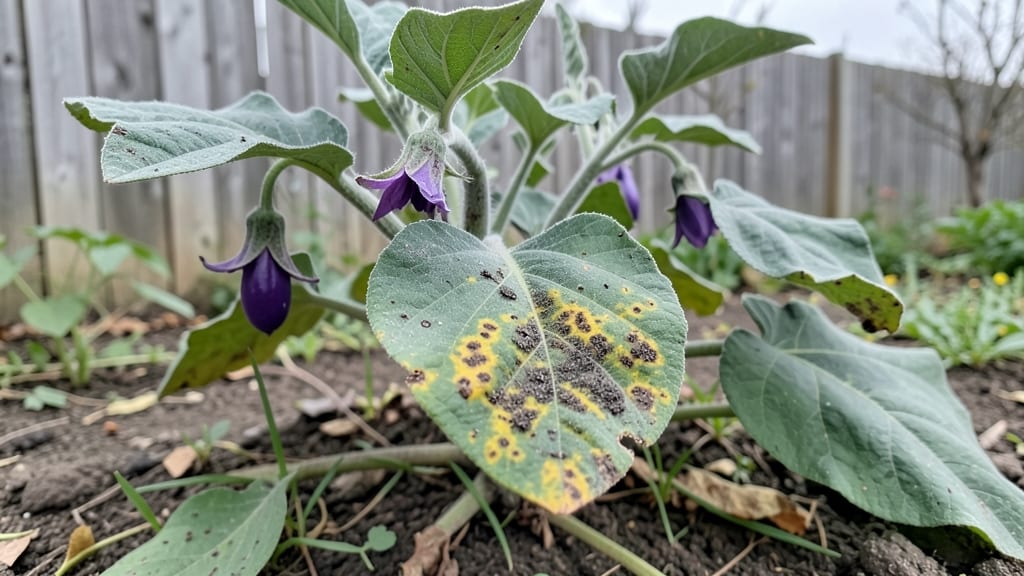
Eggplant plant diseases can turn a thriving garden into a sad, yellowing mess faster than you might think. I’ve seen powdery mildew turn glossy leaves white and verticillium wilt collapse plants overnight—both are sneaky but beatable with the right moves.
The key is catching them early, when your plants still have a fighting chance.
Most of these fungal troublemakers love crowded, damp conditions, so proper spacing and airflow are your first line of defense. I rotate crops every year and avoid planting eggplants where nightshades grew before—simple steps that cut disease risks by half.
Even organic fungicides like neem oil or copper spray can stop outbreaks before they start.
When you spot the first signs—spotted leaves, wilting stems, or fuzzy white growth—act fast. Prune infected parts immediately, sterilize your tools, and adjust watering to keep foliage dry. With these moves, you’ll save more plants than you lose, and your harvest stays as productive as it should be.
This isn’t just about saving individual plants—it’s about building a garden where diseases struggle to take hold. Healthy soil, smart spacing, and a little vigilance make all the difference. Let’s get your eggplants back on track.
Root Causes of Eggplant Ailments
Eggplant diseases don’t strike out of nowhere—they’re usually the result of a mix of environmental stress, poor growing conditions, or microbial invaders taking advantage of weak plants. Understanding why these problems occur is the first step to preventing them.
Below, we break down the science behind the most common triggers, so you can address them before they wreak havoc on your crop.
Fungal diseases like Phytophthora blight and powdery mildew thrive in damp, stagnant air or soil. Here’s why:
- Fungal spores love moisture. When humidity stays above 70% for prolonged periods, spores germinate and spread rapidly. Phytophthora, for example, needs free water on leaves or soil to infect roots and stems.
- Poor air circulation. Dense foliage or crowded plants trap humidity, creating the perfect breeding ground for fungi. Stagnant air prevents water evaporation, keeping surfaces wet longer.
- Overwatering or poor drainage. Eggplants hate soggy roots. If soil stays waterlogged (especially in clay-heavy or compacted soil), root rot fungi like Pythium or Fusarium multiply uncontrollably, cutting off nutrient and water flow.
Actionable fix: Space plants 18–24 inches apart, prune for airflow, and water at the base early in the day so foliage dries quickly. Use raised beds or containers if your soil drains poorly.
Healthy soil = healthy plants. When soil is depleted or contaminated, eggplants become vulnerable to bacterial and fungal invaders. Key culprits:
- Nutrient deficiencies. Low phosphorus or potassium weakens cell walls, making plants more susceptible to Verticillium wilt or bacterial leaf spot. Nitrogen excess can also promote lush, weak growth that’s prime fungal food.
- Past disease history. If previous crops (especially nightshades like tomatoes or peppers) had fungal issues, spores may linger in the soil for years. Sclerotinia rot, for instance, produces long-lived survival structures called sclerotia that wait for the right conditions to strike.
- Contaminated compost or manure. Fresh, unsterilized organic matter can introduce Fusarium or Phytophthora spores. Even "aged" compost can harbor pathogens if not heated to 140°F+ during composting.
Actionable fix:
- Test your soil annually and amend with balanced fertilizer (e.g., 5-10-10) or compost tea.
- Rotate crops—avoid planting eggplants in the same spot for 3+ years.
- Solarize soil in spring (cover with clear plastic for 4–6 weeks) to kill pathogens.
Eggplants are tropical plants at heart—they hate extremes. When temperatures swing wildly, their immune systems falter, opening the door to infections:
- Cool nights + warm days. This combo promotes powdery mildew by creating dew on leaves, which fungi use to spread. Ideal eggplant temps are 70–85°F; below 60°F, growth slows, and resistance drops.
- Heat stress. Above 90°F, eggplants wilt and produce thin, weak stems—perfect targets for sclerotinia or bacterial wilt. High heat also dries out leaves, making them more prone to cracking (entry points for pathogens).
- Frost or cold snaps. Even a light frost can kill foliage, leaving wounds that Alternaria (a common leaf spot fungus) exploits. Cold soil also slows root growth, reducing the plant’s ability to fight off Pythium.
Actionable fix:
- Use row covers or shade cloth in hot climates to keep temps stable.
- Plant in microclimates (e.g., near south-facing walls) to buffer temperature swings.
- Mulch with straw to insulate roots and retain moisture.
Insects and mites don’t just eat eggplant leaves—they injure them, creating gateways for disease. For example:
- Flea beetles and aphids. Their feeding punctures leaves, allowing Xanthomonas bacteria (which causes bacterial leaf spot) to seep in. Aphids also spread viruses like cucumber mosaic virus, which weakens plants.
- Spider mites. These tiny pests suck plant sap, causing stippling and yellowing. Stressed leaves become prime targets for powdery mildew.
- Caterpillars and slugs. Ragged leaf edges from chewing leave wounds that Botrytis (gray mold) or Phytophthora can infect.
Actionable fix:
- Monitor plants daily for early signs of pests (e.g., silk webbing = mites, tiny holes = flea beetles).
- Use neem oil or insecticidal soap as a preventative spray.
- Set up yellow sticky traps to catch flying pests before they damage leaves.
Pro Tip: 💡 Most diseases exploit stressed plants. By addressing moisture, soil health, temperature, and pests proactively, you’re essentially locking the door on fungal and bacterial invaders before they knock.
Quick Fixes for Sick Eggplants
When your eggplant plants show signs of distress, acting fast can save your harvest. Below are targeted solutions for common fungal and bacterial diseases, along with prevention tips to keep your garden thriving. 🌱💪
Fungal diseases thrive in damp, shady conditions, but you can fight back with these steps:
🔥 Remove Infected Plant Parts
- How: Snip off yellowing or spotted leaves with clean pruners (sterilize with rubbing alcohol).
- Why: Fungi spread via spores—removing infected areas stops the cycle.
- Pro Tip: 💡 Don’t compost diseased plant material—toss it in the trash instead.
🍳 Apply Fungicidal Sprays (Organic & Chemical Options)
| Disease | Recommended Treatment | Frequency |
|---|---|---|
| Powdery Mildew | Neem oil (1 tsp/L water) or baking soda spray (1 tsp baking soda + 1 quart water + a drop of soap) | Every 7–10 days (preventative) or when spores appear |
| Downy Mildew | Copper fungicide (e.g., Bordeaux mixture) or organic sulfur spray | At first sign, repeat weekly |
| Leaf Spot | Chlorothalonil (for severe cases) or potassium bicarbonate spray (1 tbsp/L water) | Every 10–14 days |
🌡️ Improve Airflow & Reduce Humidity
- How:
- Space plants 18–24 inches apart.
- Prune for better airflow.
- Water at the base (not overhead) and in the early morning.
- Why: Fungi love moisture—dry leaves stay disease-free.
Bacteria are trickier to manage, but these steps can help:
👨🍳 Remove & Destroy Infected Plants
- How: Pull up and burn or bag (do not compost) plants showing wilting, oozing stems, or blackened veins.
- Why: Bacterial wilt spreads through sap—once infected, the plant is usually a lost cause.
🥘 Disinfect Tools & Soil
- How:
- Sterilize pruners with bleach (1 part bleach to 9 parts water) or rubbing alcohol between cuts.
- Solarize soil (cover with clear plastic for 4–6 weeks in hot sun) to kill bacteria.
- Pro Tip: 🔥 Rotate crops—don’t plant eggplants (or related nightshades) in the same spot for 3 years.
⏰ Prevent Future Outbreaks
- How:
- Use resistant varieties (e.g., ‘Black Beauty’ or ‘Ichiban’).
- Avoid overhead watering (use drip irrigation).
- Test soil pH (aim for 6.0–6.8—bacteria thrive in acidic conditions).
Stop diseases before they start with these easy, proactive steps:
🌱 Start with Healthy Soil
- How:
- Mix in compost or aged manure before planting.
- Add mycorrhizal fungi (available at garden centers) to boost plant immunity.
- Why: Strong roots resist pathogens better.
💡 Monitor & Act Early
- How:
- Inspect plants weekly (check undersides of leaves).
- Remove weeds (they harbor disease spores).
- Pro Tip: ✨ Use a magnifying glass to spot powdery mildew’s white fuzz early!
🎯 Rotate Crops & Practice Crop Diversity
- How:
- Plant marigolds or basil nearby—they repel pests and improve airflow.
- Avoid planting eggplants, tomatoes, or peppers in the same bed yearly.
- Why: Breaks the disease cycle and confuses pathogens.
Remember: The key to happy eggplants is prevention + quick action. With these fixes, your plants will stay lush, productive, and disease-free! 🍆🌿
Frequently asked questions about eggplant plant diseases
What are the most common signs of fungal diseases on eggplant leaves?
Look for white powdery coatings (powdery mildew), dark spots with yellow halos (leaf spot), or fuzzy gray growth (downy mildew). These appear on upper and lower leaf surfaces when humidity stays high. Check undersides of leaves first—they’re prime real estate for fungal spores.
Can I save an eggplant plant already showing bacterial wilt symptoms?
Unfortunately, no—bacterial wilt spreads through the plant’s vascular system, and infected plants usually die within days. Remove the entire plant immediately (don’t compost it) and sterilize your tools to prevent spread to healthy plants.
How often should I spray fungicides on my eggplants?
For prevention, apply organic sprays like neem oil every 7–10 days during humid seasons. If you spot early signs of disease, switch to a copper-based fungicide and treat weekly until the threat passes. Always spray in the morning so leaves dry quickly.
Why does my eggplant suddenly wilt even though the soil feels moist?
This could signal Verticillium wilt or Fusarium wilt, both soil-borne fungal diseases that clog the plant’s water transport system. Check stems for dark streaks when cut open—if present, remove the plant immediately and avoid planting nightshades in that spot for 3+ years.
Are there eggplant varieties that naturally resist diseases?
Yes! Look for ‘Black Beauty’ (moderate resistance) or ‘Ichiban’ (better disease tolerance). Some hybrid varieties like ‘Dusky’ are bred for resistance to common fungal issues. Always check seed packet labels for disease-resistant claims.