Diseases
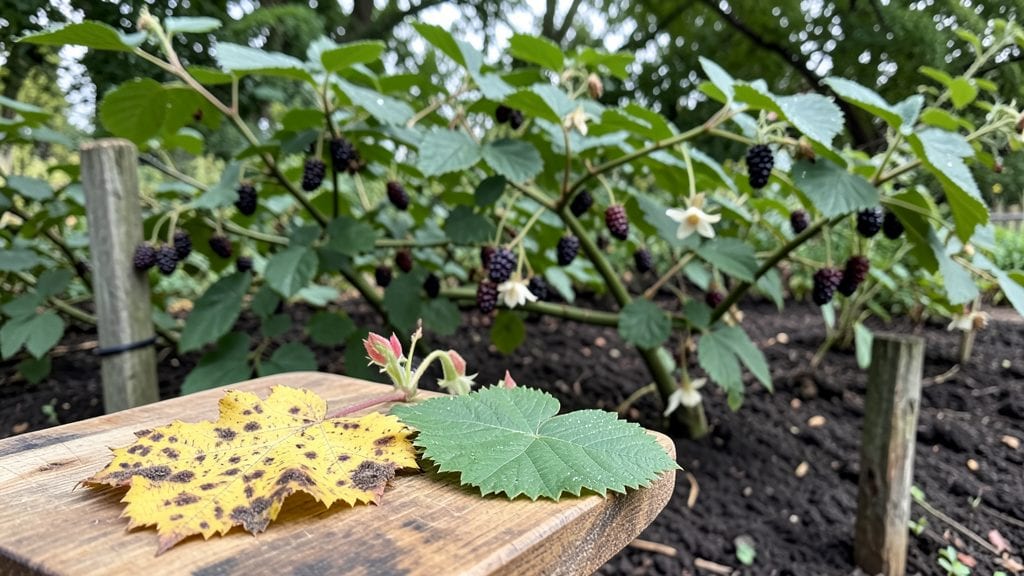
Blackberry plant diseases like anthracnose and rust can turn your thriving brambles into a shadow of their former selves in weeks. 🌿 I’ve watched my own canes go from lush and productive to spotted and stunted—until I learned the fast fixes that actually work.
The key isn’t just spotting the problem early, but knowing exactly which treatments stop the spread without harming your plants (or your wallet).
Most fungal issues start with wet foliage, crowded plants, or old canes left in the ground. My first mistake? Waiting until the leaves were half-eaten to act. Now I check for those telltale black spots or orange pustules every two weeks during rainy seasons.
Proper spacing, pruning out dead wood, and cleaning tools between plants cuts the risk by half—simple steps that save hours of cleanup later.
You’ll learn to identify each disease by its symptoms, then choose treatments—from homemade sprays to targeted fungicides—that work in as little as 7-10 days. The goal isn’t just to treat the problem, but to rebuild your plants’ defenses so they bounce back stronger.
Think of it like giving your blackberries armor for next season’s battles.
Whether you’re dealing with a single cane or a whole patch, these methods scale easily. The best part? Once you’ve mastered the early signs, you’ll catch issues before they become full-blown crises. Let’s get those plants back in fighting shape—and keep them that way.
Root Causes of Blackberry Ailments
Blackberry plants, like any living organism, are vulnerable to diseases when their balance is disrupted. Understanding why these issues arise is the first step to preventing and treating them effectively. Below, we break down the key factors that create the perfect storm for fungal blights and other blackberry diseases.
Fungal pathogens thrive in damp, humid conditions, and blackberries are no exception. Many diseases—such as Botrytis fruit rot and anthracnose—spread via airborne spores. These microscopic invaders land on leaves, canes, or fruit, germinating when moisture lingers for prolonged periods.
Why does this happen?
- Overhead irrigation: Water droplets splash spores onto plant surfaces, creating ideal entry points.
- Poor air circulation: Dense plantings or thick canes trap humidity, slowing evaporation and keeping spores active.
- Warm, wet springs: Fungal spores germinate fastest in temperatures between 60–80°F (15–27°C), common in many blackberry-growing regions.
💡 Pro Tip: Space plants 3–4 feet apart and water at the base (not overhead) to reduce spore spread. Early morning watering allows foliage to dry faster.
Blackberries with compromised immune systems are easy targets for diseases. Stress from environmental factors or poor care opens doors for pathogens. Common stressors include:
| Stressor | How It Weakens Plants | Diseases It Invites |
|---|---|---|
| 🌞 Excessive sunburn | Damages leaf cuticles, making them susceptible to fungal entry. | Leaf scorch, powdery mildew |
| 💧 Over/under-watering | Root stress or waterlogged soil disrupts nutrient uptake. | Root rot, crown gall |
| 🍄 Nutrient deficiencies | Lack of potassium or nitrogen weakens cell walls. | Anthracnose, Botrytis |
| ✂️ Poor pruning practices | Overcrowded canes limit airflow, trapping moisture. | Rust, fruit rots |
🔥 Actionable Fix: Conduct a soil test to check pH (ideal: 5.5–6.5) and amend with compost or balanced fertilizer (e.g., 10-10-10). Prune in late winter to remove dead wood and improve airflow.
Blackberries are hardy, but sudden temperature shifts or prolonged adverse conditions create disease hotspots. For example:
- Frost damage: Cold snaps crack canes, providing entry points for bacterial canker.
- Heatwaves + humidity: Ideal for powdery mildew (thrives at 70–80°F with high moisture).
- Late-season rains: Delays fruit ripening and encourages Botrytis on soft, unripe berries.
🌡️ Climate Hack: Use mulch (straw or wood chips) to stabilize soil temperature and retain moisture without excess humidity. Choose disease-resistant varieties like 'Natchez' or 'Ouachitamb' for hot climates.
Some insects don’t just feed on blackberries—they spread diseases too. For instance:
- Japanese beetles: Chew leaves, creating wounds where anthracnose spores can infect.
- Aphids: Excrete honeydew, a sugary film that promotes sooty mold (a secondary fungal issue).
- Thrips: Damage flower buds, leading to fruit malformation and increased rot risk.
🛡️ Pest Prevention: Introduce beneficial nematodes or ladybugs to control pests naturally. Apply neem oil as a preventive spray (reapply every 7–10 days).
Fungal spores and bacteria can lurk on pruners, trellises, or even compost. Here’s how they spread:
- Reused tools: Knives or shears contaminated with crown gall bacteria can infect new cuts.
- Infested mulch: Old straw or wood chips may harbor Botrytis spores.
- Cross-contamination: Moving soil from diseased areas to healthy beds transfers pathogens.
✨ Sanitation Steps:
- Disinfect tools with 70% rubbing alcohol or a 10% bleach solution between uses.
- Solarize soil in late summer (cover with clear plastic for 4–6 weeks to kill pathogens).
- Avoid planting blackberries in the same spot year after year (rotate crops every 3–4 years).
Fixing Fungal Blights Fast
Now that you’ve identified the culprit behind your blackberry plant’s woes, it’s time to take action! Fungal diseases like anthracnose, botrytis blight, and powdery mildew may sound intimidating, but with the right approach, you can restore your plants to health.
Below are practical, step-by-step solutions tailored to each common fungal issue, plus prevention tips to keep future outbreaks at bay.
Anthracnose thrives in warm, wet conditions, but you can stop its spread with these steps:
🍳 Prune and Remove Infected Parts
- 🔪 Cut out all infected canes (blackened or sunken spots) at least 6 inches below the damage. Dispose of them in the trash—not the compost!
- 🌿 Thin out dense foliage to improve airflow, which fungal spores love to hitchhike on.
👨🍳 Apply Fungicidal Sprays (Organic or Chemical)
- 🌱 Organic option: Mix 1 tsp baking soda + 1 tbsp horticultural oil + 1 quart water + a few drops of dish soap (as a spreader-sticker).
Spray every 7–10 days during wet seasons. - 💊 Chemical option: Use copper fungicide (like Bordeaux mixture) or chlorothalonil (follow label rates). Reapply after heavy rain.
⏰ Schedule Preventive Sprays
- 🌡️ Start spraying in early spring (before buds swell) and repeat every 2–3 weeks until harvest.
- ✨ Pro tip: Water early in the morning so foliage dries by evening—fungi need moisture to spread!
Botrytis (gray mold) attacks flowers, fruit, and stems. Act fast to prevent rot:
🧹 Clean Up Debris Immediately
- 🗑️ Remove all fallen leaves, mummified fruit, and dead canes daily during wet periods. This cuts off the fungus’s food source.
- 🌿 Rake up leaf litter around plants—botrytis spores overwinter in organic matter.
🌿 Improve Air Circulation
- 🌬️ Space plants 3–4 feet apart if possible, or prune to open up the center of the bush.
- 💨 Use a fan (on low) near plants during humid days to reduce moisture buildup.
💊 Use a Multi-Step Fungicide Plan
- 🍯 Early season: Spray with neem oil (1 tbsp per gallon of water) to prevent spore germination.
- 🛡️ During bloom/berry stage: Switch to myclobutanil or potassium bicarbonate (less toxic). Reapply after rain.
🎯 Prevent Future Outbreaks
- 🌱 Choose resistant varieties like ‘Chester’ or ‘Triple Crown’ if botrytis is chronic in your area.
- 🌞 Avoid overhead watering—use drip irrigation or water at the base.
This white, powdery fungus weakens plants but is easier to control than others:
🧼 Spray with Homemade Remedies
- 🧴 Mix: 1 quart milk (yes, milk!) + 1 quart water + 1 tsp dish soap.
Spray every 5–7 days until mildew disappears. - 🌿 Alternative: Sulfur dust (apply in dry weather) or baking soda spray (1 tsp + 1 quart water + soap).
🌿 Adjust Growing Conditions
- ☀️ Move plants to a sunnier spot—powdery mildew thrives in shade.
- 💨 Thin canes to increase airflow (aim for 12–15 inches between branches).
🛡️ Prevent Recurrence
- 🌱 Plant mildew-resistant varieties like ‘Arapaho’ or ‘Natchez’.
- 🌱 Rotate crops—don’t plant blackberries in the same spot year after year.
Even after treatment, stop future outbreaks with these low-effort habits:
| Do This | Avoid This |
|---|---|
| 🌱 Plant in full sun (6+ hours/day) | 🌑 Shady, damp spots |
| 💧 Water at soil level (not leaves) | 🌧️ Overhead watering |
| 🧹 Clean tools with rubbing alcohol between uses | 🔪 Sharing tools between plants |
| 🌿 Mulch with straw (not thick layers of wood chips) | 🌳 Heavy mulch that traps moisture |
| 🌱 Test soil pH (aim for 5.5–6.5) | 🌱 Alkaline soil (fungi love pH >7) |
💡 Final Pro Tip: If diseases keep returning, soil health may be the root cause. Test your soil for nutrient deficiencies (especially nitrogen or potassium) and amend with compost—healthy plants fight off fungi better!
With these strategies, your blackberry bushes will bounce back stronger—and you’ll enjoy juicy, disease-free berries all season. 🍇✨
Frequently asked questions
What are the first signs of fungal diseases on blackberry plants?
Look for dark spots on leaves (anthracnose) or orange pustules (rust). Powdery mildew appears as white, powdery patches on foliage, while botrytis shows as gray, fuzzy mold on fruit or stems. Check undersides of leaves and between canes where moisture lingers.
Can I still harvest berries from diseased plants?
Only pick fruit from healthy-looking canes. Discard any berries with visible mold, spots, or soft rot. Fungal spores can contaminate healthy fruit during handling, so wash all berries thoroughly with a 1% bleach solution (1 tbsp bleach per gallon of water) before eating.
How often should I spray preventive fungicides?
Apply fungicides every 7–14 days during rainy seasons or when humidity is high. Start sprays in early spring before buds swell, and continue until harvest. For organic options, rotate between baking soda, neem oil, and milk sprays to prevent resistance.
Will pruning alone stop blackberry diseases?
Pruning helps improve airflow and removes infected canes, but it’s not a standalone cure. Always combine pruning with fungicidal sprays and sanitation (cleaning tools, removing debris). Focus on cutting out dead or diseased wood in late winter before new growth starts.
Are there disease-resistant blackberry varieties I should consider?
Yes! Varieties like 'Natchez', 'Chester', and 'Arapaho' are bred for resistance to common fungal issues. These types handle humidity better and require fewer chemical treatments. Check with local nurseries for varieties suited to your climate zone.