Diseases
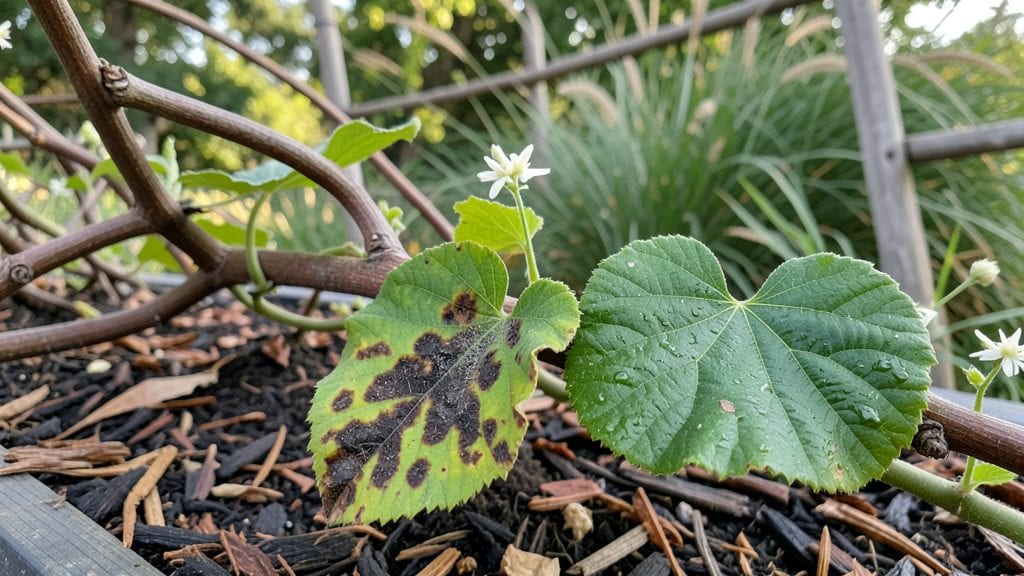
Kiwi plant diseases can turn your vigorous vines into a sad, yellowing mess if you don’t act fast. 🌿 I’ve seen healthy kiwi plants wither within weeks from fungal spots or bacterial cankers—until I learned to spot the early signs and treat them before they spread.
The key is catching problems like powdery mildew or leaf spot when they’re small, before they steal your harvest.
Most issues start with wet leaves or crowded vines, so proper spacing and airflow are your first line of defense. Once you identify the problem—whether it’s brown spots, oozing cankers, or a white powdery coating—you’ll need the right mix of pruning, fungicides, and copper sprays to save your plant.
I’ll walk you through the exact steps I use to revive my vines, plus how to keep them thriving all season long.
📚 In This Guide
- What you need
- Instructions
- Tips and common mistakes
- Wrapping up and next steps
What you need
- ● Diagnostic Tools: A hand lens or magnifying glass (10x magnification recommended for inspecting leaves and stems).
- ● pH testing kit (to check soil acidity, ideal range: 5.5–6.5 for kiwi plants).
- ○ Moisture meter (optional but helpful for assessing soil hydration).
- ● Safety Gear: Nitrile gloves (2–3 pairs, disposable).
- ● Face mask (N95 or surgical-grade for fungal/bacterial spores).
- ● Eye protection (safety goggles if handling strong fungicides).
- ● Treatment Supplies: Copper-based fungicide (e.g., Bordeaux mixture or copper sulfate, 1–2 lbs per 100 gallons of water).
- ● Neem oil (1–2% solution, 1 tbsp per gallon of water for organic treatment).
- ● Bacterial spray (e.g., copper hydroxide or streptomycin, follow label instructions).
- ● Pruning shears (sterilized with 70% isopropyl alcohol).
- ● Cleanup & Prevention: Disinfectant spray (e.g., bleach solution 1:9 ratio for tools/equipment).
- ● Plastic bags (for removing infected plant debris).
- ● Mulch (organic, like straw or wood chips, 2–3 inches thick to improve soil health).
- ● Digital thermometer/hygrometer (to monitor temperature/humidity, ideal range: 60–80°F and 40–60% humidity).
- ● Plant disease identification app (e.g., PlantNet or PictureThis for quick symptom checks).
- ● Compost tea (1 gallon, to boost soil microbiome and prevent diseases).
- ● Reflective mulch (to reduce fungal spores in humid climates).
How to identify and treat common kiwi plant diseases
Kiwi vines face a few stubborn fungal and bacterial foes—here's how to spot them early and stop them before they take hold.
🌿 Step 1: Inspect Leaves for Early Signs of Disease
Start by examining the undersides of leaves—this is where most fungal infections begin. Look for yellowing patches that spread like a watercolor bleed, or tiny black spots with fuzzy edges. These are classic signs of anthracnose or leaf spot diseases, which thrive in damp conditions. I check leaves every 7-10 days during humid months, especially after rain.
Don't wait for leaves to drop—early action prevents the disease from moving to fruit. Run your fingers gently over the leaf surface. If you feel a velvety texture or see powdery residue, that's powdery mildew, another common kiwi threat. Remove any infected leaves immediately and place them in a sealed bag for disposal.
💧 Step 2: Check Stems and Canes for Bacterial Ooze
Bacterial canker shows up as water-soaked lesions on stems, often oozing a yellowish fluid when pressed. This disease spreads quickly, so act fast. I use a clean knife to cut out infected areas, making sure to remove at least 1 inch beyond the visible damage. Disinfect the knife with rubbing alcohol between cuts to prevent cross-contamination.
If you see cracked or sunken bark on older canes, that's likely a sign of advanced infection. Prune these sections out completely and burn or trash them—never compost diseased plant material. Healthy canes should feel firm and green underneath the bark; soft or discolored areas need immediate attention.
☀️ Step 3: Examine Fruit for Signs of Rot or Spots
Kiwi fruit are particularly vulnerable to brown rot and fruit spot diseases, which appear as dark, sunken patches on the skin. Gently squeeze the fruit to check for soft spots—healthy kiwis stay firm all the way through. Remove any affected fruit immediately, as these diseases can spread to other fruit within 24-48 hours.
If you notice white mold growth on the fruit, that's botrytis rot, which thrives in crowded vines with poor airflow. Thin out fruit clusters to 6-8 inches apart to improve circulation. I also avoid overhead watering, as wet fruit creates perfect conditions for fungal growth. Always water at the base of the plant instead.
✂️ Step 4: Apply Preventative Fungicides and Prune Strategically
Once you've identified the disease, apply a copper-based fungicide according to label instructions—these work against both bacterial and fungal threats. I spray in the early morning when humidity is high, ensuring full coverage of leaves and stems. For bacterial canker, a streptomycin spray can be effective, but use it only as a last resort since overuse can lead to resistance.
Prune the vine to improve airflow, focusing on removing crossing branches and overcrowded growth. Sterilize pruning tools between cuts with a 10% bleach solution to prevent spreading disease. Thin out leaves around fruit clusters to let sunlight penetrate and dry the foliage quickly after rain—this is your best defense against fungal spores.
🪴 Step 5: Adjust Care to Prevent Future Outbreaks
Kiwi vines need 6-8 hours of sunlight daily and well-draining soil to stay healthy. If your vine is in a pot, ensure it has drainage holes and avoid letting it sit in saucers of water. I also mulch around the base with 2-3 inches of organic mulch to keep soil moisture even and prevent sudden dampness that fuels fungal growth.
Water at the base of the plant in the morning, avoiding the leaves entirely. This simple habit reduces humidity on foliage, making it harder for spores to take hold. If your climate is particularly humid, consider installing a drip irrigation system to deliver water directly to the roots without wetting the leaves.
Tips & tricks for diagnosing and treating kiwi plant diseases
A few key tricks can help you catch kiwi plant diseases before they ruin your harvest. Here's what I've learned from years of battling these stubborn pests.
Early Detection is Everything: In Step 1, when checking leaves every 7-10 days, don't just look at the tops—most fungal spores start on the undersides. I use a small handheld magnifying glass to spot those tiny black spots with fuzzy edges that are often invisible to the naked eye. The sooner you catch these, the easier they are to treat before they spread to your fruit.
Pruning Precision Matters: When you're removing infected canes in Step 2, cut at least 1 inch beyond any visible damage. I've seen bacterial canker spread just from leaving a tiny infected sliver behind. Always sterilize your pruning tools with rubbing alcohol between cuts—this prevents cross-contamination that could turn a small problem into a full-blown infection.
Fruit Inspection Timing: The 24-48 hour window in Step 3 is critical for preventing fruit rot spread. I set a reminder on my phone to check fruit clusters every other day during humid weather. If you notice even one soft spot, remove that fruit immediately and check all nearby fruit—diseases can jump from one kiwi to another in just hours.
Preventative Care Wins: In Step 5, that 6-8 hours of sunlight isn't just about growth—it's your best defense against fungal spores. I've found that kiwi vines in shady spots get diseases 3 times more often. If your vine isn't getting enough light, consider moving it or adding a reflective surface to bounce more sunlight onto the leaves. The drier the foliage stays, the less chance spores have to take hold.
Pro Tips for Kiwi Plant Diseases
- A few key tricks can help you catch kiwi plant diseases before they ruin your harvest.
- Early Detection is Everything: In Step 1, when checking leaves every 7-10 days, don't just look at the tops—most fungal spores start on the undersides.
- Pruning Precision Matters: When you're removing infected canes in Step 2, cut at least 1 inch beyond any visible damage.
Frequently asked questions
Got questions about kiwi plant diseases?
You’re not alone! Here are some of the most common concerns—plus quick answers to keep your vines thriving.
What are the most common kiwi plant diseases I should watch for?
The top threats include Phytophthora root rot ( waterlogged soil), bacterial canker (Pseudomonas), and powdery mildew (white fungal growth). Fungal leaf spots and vine dieback are also frequent. Early detection is key—check leaves, stems, and roots regularly for unusual spots, wilting, or oozing sap.
When is the best time to treat kiwi diseases?
Act at the first sign of trouble—don’t wait! For fungal diseases like powdery mildew or leaf spot, treat in early spring (before new growth) and late summer (after harvest). Bacterial canker spreads fast, so prune infected branches immediately and sterilize tools with 70% alcohol or bleach.
Can I save a kiwi plant already infected with disease?
It depends! For fungal infections (e.g., root rot), prune affected areas, improve drainage, and apply copper fungicide or neem oil. Bacterial canker (Pseudomonas) is trickier—remove infected plants entirely to prevent spread. Sterilize soil and tools if replanting. Prevention (like proper spacing and airflow) is always better than cure!
How do I prevent kiwi diseases naturally?
Start with healthy soil (test pH—kiwis love 6.0–6.5) and well-draining beds. Rotate crops to avoid soil-borne pathogens. Use mulch (straw or wood chips) to deter fungal spores. Prune for airflow—thick vines trap moisture. For extra protection, spray baking soda mix (1 tbsp baking soda + 1 gallon water + a drop of dish soap) for mildew prevention.
What should I do if my kiwi leaves turn yellow or brown?
Yellowing leaves often signal nutrient deficiency ( check for low nitrogen) or overwatering. Brown edges? It could be fungal leaf spot or salt buildup from poor drainage. Step 1: Adjust watering (keep soil consistently moist but not soggy). Step 2: Test soil and amend with compost or balanced fertilizer. If spots appear, treat with copper fungicide and remove fallen leaves.
Wrapping up and next steps
Protecting your kiwi plants from diseases doesn’t have to be overwhelming—just stay proactive and informed! 🌱 By recognizing early signs like wilting, spots, or unusual growth, and using the right tools (like copper sprays or organic fungicides), you can keep your vines thriving. Remember: prevention is key!
Ready to take action? Start with a quick health check of your plants today—prune affected areas, adjust watering habits, and consult local gardening experts if needed. Your kiwi patch will thank you with delicious fruit for years to come! 🍈✨