
Plants
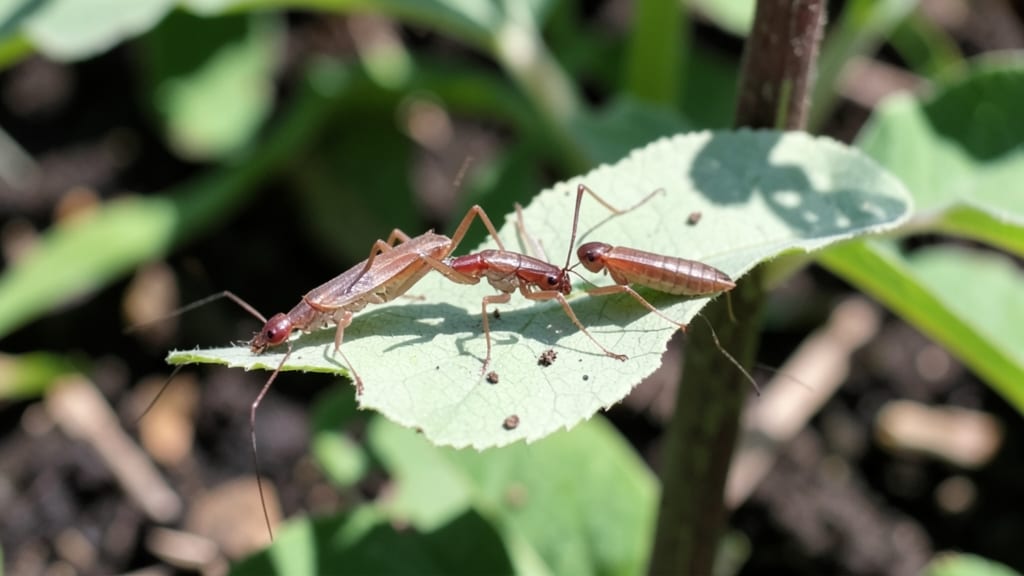
See those ragged edges on your plants—earwigs eating plants like a midnight buffet? 🌱 I’ve lost count of how many times I found my prized petunias looking like Swiss cheese—until I discovered these simple, chemical-free tricks that actually work.
The key isn’t just trapping them; it’s making your garden a place they’d rather avoid.
These pests love damp, dark spots under mulch or boards, so the first move is drying out their hideouts. Spread coarse sand or diatomaceous earth around plants—they hate the grit underfoot. I’ve also had success with rolled-up cardboard traps (they crawl in but can’t escape), which I empty every morning.
The best part? These methods don’t hurt bees or ladybugs, just the earwigs.
You’ll see results within a week: fewer chewed leaves, no more curled petals, and plants that stay lush instead of skeletonized. The secret is consistency—keep those barriers fresh, and soon your garden will be earwig-free without a single spray. Let’s get your plants looking proud again.
Works for veggies, flowers, and even houseplants—just adjust the traps to fit your space. No more sneaky nighttime snacking!
The Hidden Triggers Behind Plant Damage
Earwigs may seem like tiny pests, but their appetite for plants—especially tender leaves, flowers, and young shoots—can leave gardeners scratching their heads. Understanding the why behind their behavior is the first step to stopping them in their tracks.
Below, we break down the key reasons earwigs target your plants, backed by science and actionable insights.
Earwigs are generalist feeders, meaning they’ll munch on almost anything soft and green. Their favorite meals include:
- New growth (high in water and sugars)
- Flowers and buds (easy-to-digest proteins and nectar)
- Decaying plant matter (fungi and bacteria are a protein boost)
Why it matters: Young, succulent leaves are like all-you-can-eat buffets for earwigs. They use their pincher-like cerci to grip and tear plant tissue, leaving jagged holes or chewed edges. 🐛💀
Pro tip: 💡 Prune regularly to remove overripe or damaged leaves—earwigs are less likely to linger where food is scarce.
Earwigs are night owls, emerging after dark to avoid predators and heat. Their activity peaks when:
- Humidity is high (they need moisture to survive)
- Temperatures drop (they seek shelter in dense foliage)
- Rain is imminent (they’re drawn to damp soil and leaf litter)
Why it matters: If your garden stays too moist (think mulch piles, dense ground cover, or poor drainage), earwigs will move in en masse. They also hide under loose bark, rocks, or plant debris during the day, only to raid your garden at night.
Actionable fix: ⏰ Install yellow LED lights near plants—earwigs are repelled by their glow, keeping them away from your prized greens.
Earwigs aren’t just eating machines—they’re opportunistic survivors.
When their preferred hiding spots (like rotting logs, thick mulch, or dense leaf litter) are limited, they’ll: - Climb plants for shade and moisture - Chew stems to create shelter (yes, they modify plants!) - Aggregate in large groups (they release pheromones to attract others)
Why it matters: A cluttered garden = an earwig paradise. If your outdoor space lacks natural hiding spots, your plants become both food and real estate.
Quick solution: 🌡️ Reduce mulch depth (keep it 2–3 inches max) and remove debris—this forces earwigs to seek drier, less appealing environments.
Not all plants are equally appealing to earwigs.
Research shows they’re drawn to: - Plants with high tannin or sugar content (e.g., roses, dahlias, lettuce) - Stressed or injured plants (they detect volatile organic compounds, or VOCs, released when plants are damaged) - Plants with thick, moist mulch nearby (the scent of decay attracts them)
Why it matters: If your garden has one heavily infested plant, earwigs will use it as a launchpad to nearby crops. They’re social insects, so one happy earwig = a swarm in days.
Smart defense: 🎯 Interplant with earwig-repellent species like marigolds, basil, or thyme—their strong scents mask the aroma of vulnerable plants.
Earwig populations explode in warm, wet seasons (spring and fall).
Here’s how weather plays a role: | Condition | Earwig Behavior | Your Risk Level | |---------------------|---------------------------------------------|---------------------| | High humidity | More active, seek shelter in plants | ⚠️ High | | Dry spells | Move toward irrigation sources | ⚠️ Moderate | | Cool nights | Cluster in groups for warmth | ⚠️ High | | Heavy rain | Egg-laying season begins | ⚠️ Very High |
Why it matters: If your area gets sudden downpours followed by heat, expect an earwig population boom. They’ll target water-stressed plants first, as these emit distress signals.
Seasonal prep: 🔥 Aerate soil in late summer to reduce moisture retention—this disrupts their breeding cycle.
Earwigs don’t just randomly eat your plants—they’re strategic, moisture-loving, and social. By removing their food sources, hiding spots, and chemical attractants, you can make your garden far less inviting. The next section will show you how to build natural barriers to keep them out for good!
Stop Earwig Damage Naturally
Earwigs may seem harmless, but their appetite for tender plant leaves, flowers, and even young seedlings can turn your garden into a buffet. The good news? You don’t need harsh chemicals to keep them at bay.
With a mix of physical barriers, organic repellents, and habitat tweaks, you can protect your plants while keeping your garden thriving. Below, we’ll break down solutions by cause—so you can target the problem head-on.
Earwigs love damp, sheltered spots where they can hide during the day and feast at night. If your garden has thick mulch, dense foliage, or poor drainage, you’re basically rolling out the welcome mat.
Fix It:
- 🔥 Thin Out Mulch & Debris – Reduce thick layers of mulch, leaves, or wood chips near plants. Earwigs thrive in these hiding spots, so keeping the area dry and open discourages them.
- 🍳 Improve Drainage – Earwigs adore soggy soil. Amend clay-heavy or poorly draining areas with compost or sand to keep moisture levels in check.
- 👨🍳 Elevate Plants – Use cucumber trellises, tomato cages, or even upside-down pots to lift susceptible plants off the ground. Earwigs are ground-dwellers and won’t climb high barriers.
💡 Pro Tip: If you must mulch, opt for gravel or coarse bark instead of fine organic mulch—it drains better and offers fewer hiding spots.
Earwigs are nocturnal nibblers, targeting young shoots, flowers, and soft leaves after dark. If you’ve noticed ragged edges or chewed petals, they’re likely the culprits.
Fix It:
- 🥘 Set Up Physical Barriers – Wrap fine netting (like tulle or hardware cloth) around vulnerable plants like lettuce, basil, or roses. Secure it tightly at the base to block earwigs without smothering growth.
- 🔪 Use Copper Tape – Earwigs dislike copper’s electrical charge. Wrap copper tape around pot rims or raised beds—they’ll get a mild shock and avoid the area.
- ⏰ Shake Out Plants at Dusk – If earwigs are a recurring issue, gently shake plants over a bucket of soapy water before nightfall to remove any stowaways.
🌡️ Quick Fix: Place diatomaceous earth (food-grade only) around plant bases—it’s non-toxic but deadly to earwigs by dehydrating them.
Earwigs sneak in through gaps in window screens, cracks in foundation plants, or even under pots. If they’re getting inside your home or greenhouse, they’ll eventually target indoor plants too.
Fix It:
- 🔥 Seal Entry Points – Check for gaps in screens, vents, or where walls meet the ground. Use caulk, weather stripping, or fine mesh to block their access.
- 🍳 Remove Hiding Spots Indoors – Keep basements, garages, and greenhouses dry and clutter-free. Store firewood, cardboard, and potted plants away from walls.
- 👨🍳 Use Sticky Traps – Place double-sided tape or commercial earwig traps near entry points to catch stragglers before they reach your plants.
✨ Bonus: Citrus or cedar mulch around the home’s perimeter can repel earwigs—just avoid placing it directly against plant roots.
The best defense? A healthy garden they won’t want to invade. Earwigs prefer weak, stressed, or waterlogged plants—so give them no reason to stick around.
Do This Regularly:
- 💡 Water in the Morning – Wet foliage at night attracts earwigs. Water early in the day so plants dry quickly.
- 🎯 Encourage Natural Predators – Birds, spiders, and ground beetles eat earwigs. Plant dill, fennel, or marigolds to attract these helpers.
- 🌱 Rotate Plantings – Earwigs target specific crops (like lettuce or strawberries). Interplant with earwig-resistant species like thyme, rosemary, or onions.
- 🥗 Keep Lawns Mowed – Tall grass and weeds provide earwig highways. Regular mowing reduces their shelter options.
Final Thought: Earwigs are more of a nuisance than a major threat, but a little prevention + smart barriers can save your garden from becoming their all-you-can-eat buffet.
Try one or two of these methods, and you’ll likely see a difference within a week or two. Happy gardening! 🌿🚫🐜
Frequently asked questions
Why do earwigs suddenly appear in my garden when I’ve never seen them before?
Earwigs thrive in moist, shaded environments and often go unnoticed until conditions become ideal for them. Heavy rain, overwatering, or thick mulch layers create perfect hiding spots, causing populations to explode. They’re also drawn to decaying plant matter—so if you’ve recently added compost or left fallen leaves, that’s their invitation to move in.
Can earwigs harm my vegetable plants, or are they mostly after flowers?
Both! While they love flowers and buds, earwigs will happily munch on leafy greens, tomatoes, and young shoots. They’re especially fond of lettuce, strawberries, and squash—plants with tender, water-rich tissue. The key is monitoring both flowers and veggies, as they’ll target whatever’s most vulnerable.
Will diatomaceous earth work if it gets wet?
No—diatomaceous earth loses its effectiveness when wet because it needs to stay dry to dehydrate earwigs. Apply it in the morning when soil is dry, and reapply after rain. For damp areas, use copper tape or physical barriers instead, as these work regardless of moisture levels.
Are earwigs harmful to my pets or children?
No, earwigs are harmless to pets and kids—they don’t bite humans or animals. While their pincers might pinch if handled, they’re not aggressive. The real concern is their damage to plants, not health risks. Still, keep traps and barriers out of reach of curious pets or little hands.
How do I know if earwigs are the real culprits behind my plant damage?
Look for irregular, jagged holes in leaves (not clean cuts like slugs) and check under mulch or boards for small, brown, pincer-tailed insects. Earwigs also leave behind silver-gray shed skins near their hiding spots. If you find these signs at night, they’re likely the problem.